

Golden Visa : Portugal vs Espagne en 2026 — lequel choisir maintenant
Ce qui a changé dans les deux programmes après les réformes 2024-2025, coûts réels, délais de résidence, et lequel a encore du sens en 2026.
Le Portugal et l'Espagne ont tous deux réformé leurs programmes Golden Visa entre 2023 et 2025, mettant fin à la voie facile « immobilier contre résidence ». Voici l'image honnête de 2026 : ce que chaque pays offre encore, ce que ça coûte, et lequel convient à quel profil d'investisseur.
Portugal Golden Visa : ce qui a survécu à la réforme 2023
Le Golden Visa portugais n'est plus disponible via l'achat direct de propriété résidentielle ni les transferts de capitaux (fermés en octobre 2023). Voies survivantes : investissement dans des fonds de private equity / venture capital approuvés (minimum €500 000), don à la recherche scientifique (€500 000+), don aux arts et patrimoine (€250 000+), création de 10+ emplois au Portugal, ou transfert de capital de €1,5M+ vers une banque portugaise ou des obligations d'État. La voie des fonds est la plus populaire aujourd'hui.
Spain Golden Visa : fermé en avril 2025
L'Espagne a mis fin à son Golden Visa pour les demandes basées sur l'immobilier en avril 2025. Les titulaires peuvent renouveler sous l'ancien seuil de €500 000 ; les nouveaux demandeurs ne peuvent pas utiliser l'immobilier. Les voies d'investissement restantes (€1M+ en actions d'entreprises espagnoles, €1M+ en dépôts bancaires espagnols, €2M+ en obligations d'État, €1M+ en fonds d'investissement) sont actives mais rarement utilisées.
Côte à côte : coût total jusqu'à la résidence
Voie des fonds Portugal : €500 000 investissement + €5 000-8 000 frais gouvernementaux + €15 000-25 000 juridiques/setup + frais annuels de gestion de fonds (~1,5%). Coût première année : ~€530 000-550 000. Voies restantes Espagne : €1M+ investissement minimum + €10 000-20 000 juridiques = première année €1 020 000+. Le Portugal est dramatiquement moins cher pour les nouveaux demandeurs en 2026.
Obligation de résidence : combien de temps vous devez passer
Portugal : minimum 7 jours la 1ère année, 14 jours dans chaque période subséquente de 2 ans. L'une des obligations les plus légères de l'UE. Espagne : techniquement seulement 1 jour par an pour maintenir le visa, mais pour la résidence permanente (5 ans) ou la citoyenneté (10 ans), vous devez démontrer une « résidence effective » — typiquement 183+ jours par an.
Voie vers la citoyenneté
Portugal : éligible à la citoyenneté après 5 ans de résidence, pas d'exigence de portugais au-delà du niveau A2, double citoyenneté autorisée. Espagne : 10 ans pour la citoyenneté générale, doit démontrer la maîtrise de l'espagnol (DELE A2 minimum) et passer un examen culturel. L'Espagne N'autorise PAS la double citoyenneté pour la plupart des nationalités — vous devriez renoncer à votre passeport original. Exception : citoyens d'Amérique latine, Andorre, Philippines, Guinée équatoriale, Portugal et juifs séfarades.
Implications fiscales
Portugal : régime NHR (Non-Habitual Resident) supprimé en 2024 pour les nouveaux arrivants. Remplaçant IFICI (Tax Incentive for Scientific Research and Innovation) — éligibilité plus étroite. Pour le revenu étranger général hors ces catégories, le Portugal taxe selon les taux progressifs standards (14,5-48%). Espagne : impôt progressif jusqu'à 47% sur le revenu, plus impôt sur la fortune pour les actifs supérieurs à €700 000.
Lequel choisir : 3 profils typiques
Profil 1 — investisseur passif cherchant résidence UE : la voie des fonds Portugal gagne clairement. €500K vs €1M+, obligation de résidence plus légère, voie plus rapide vers la citoyenneté. Profil 2 — investisseur voulant propriété directe : aucune Golden Visa ne fonctionne pour les nouveaux — achetez de l'immobilier librement et demandez Visa Non-Lucratif (Espagne) ou Visa D7 (Portugal) basé sur un revenu passif. Profil 3 — gros capital (€2M+), veut citoyenneté dans un pays hispanophone : l'Espagne est la seule option UE menant au passeport espagnol.
Questions fréquentes
Puis-je encore obtenir le Golden Visa en achetant une propriété au Portugal ou en Espagne en 2026 ?
Non. Le Portugal a fermé la voie immobilière en octobre 2023, l'Espagne en avril 2025. Les deux permettent encore le visa via d'autres catégories d'investissement.
Lequel est moins cher, Portugal ou Espagne Golden Visa ?
Le Portugal est significativement moins cher pour les nouveaux demandeurs — €500 000 minimum fonds vs €1 000 000 minimum pour toute voie espagnole restante.
Puis-je conserver mon passeport original avec ces programmes ?
Le Portugal autorise la double citoyenneté avec tous les pays. L'Espagne exige de renoncer au passeport original lors de la naturalisation, sauf pour les citoyens d'Amérique latine, Andorre, Philippines, Guinée équatoriale, Portugal et juifs séfarades.
Les fonds d'investissement au Portugal ou en Espagne sont-ils sûrs ?
Ils comportent un risque d'investissement typique. Les fonds portugais approuvés doivent être enregistrés auprès du CMVM mais ne sont pas à capital garanti.
Vous regardez le Portugal ou l'Espagne pour votre investissement ?
Parcourez les annonces vérifiées dans les deux pays sur GREM. Filtrez par ville, budget et type. Contactez les vendeurs directement.
Voir les propriétés au Portugal et en EspagneVous possédez un bien immobilier ? Pour les propriétaires ↗
Biens à vendre en Portugal
Annonces réelles du catalogue GREM — prix et surfaces du jour.
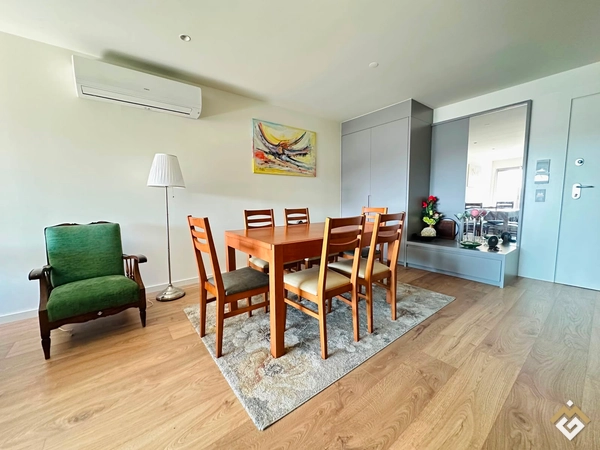 Appartement moderne 1 chambre avec balcon et parking à Braga, Portugal€280,000
 T0 à partir du 31 janvier, 183€283,818
 T0€208,075
 T0€231,650
 Appartement rue Cardeal Dom Américo, 211€338,250
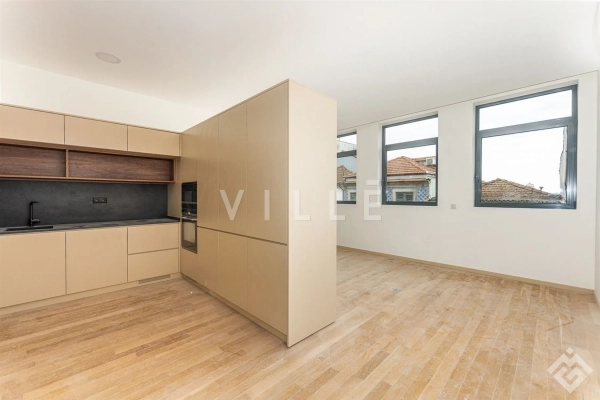 Appartement€271,625