

How to buy property in Spain as a foreigner: 2026 step-by-step guide
NIE number, taxes, mortgage, legal steps, residency — everything a non-Spanish buyer needs to know in 2026.
Spain remains one of the most foreigner-friendly real estate markets in Europe. There are no restrictions on non-EU citizens buying property, the process is well-defined, and Golden Visa pathways still exist for higher-ticket buyers — though some rules tightened in 2025. Here is what every foreign buyer should understand before making an offer in 2026.
Step 1: Get your NIE number
The NIE (Número de Identificación de Extranjero) is your Spanish tax ID and the single most important document for any property transaction. You cannot sign a deed, open a bank account or pay property tax without one. You can apply at a Spanish consulate in your home country (3–8 weeks) or directly at a National Police office in Spain (1–4 weeks). Bring your passport, completed EX-15 form, justification letter explaining the purchase intent, and the 790 form fee receipt (~€10). Many foreign buyers hire a gestor (administrative agent) for €100–200 to handle this in person — usually worth it for the time savings.
Step 2: Open a Spanish bank account
Spanish notaries require payment via bank transfer or certified bank check, so a local account is non-negotiable. Major banks accepting non-resident accounts include Santander, BBVA, CaixaBank and Sabadell. Required documents: passport, NIE, proof of address from home country, source-of-funds documentation for amounts over €10,000. Account opening takes 1–3 days. Expect monthly maintenance fees of €5–15 for non-resident accounts.
Step 3: Understand the taxes you will pay
On the purchase itself: new-build properties (from developer) carry 10% VAT plus 1.5% stamp duty. Resale properties carry a regional Transfer Tax (ITP) of 6–10% depending on the autonomous community — Madrid 6%, Valencia 10%, Andalusia 7%. Add notary fees (€600–1,200), Land Registry fees (€400–800) and lawyer fees (~1% of price). Total acquisition cost above the listing price typically runs 10–14% for resale and 11–13% for new-build.
Step 4: Get a mortgage (if needed)
Spanish banks typically lend non-residents up to 60–70% LTV (loan-to-value) versus 80% for residents. Interest rates in May 2026 sit around 3.2–4.1% for variable and 3.8–4.6% for fixed-rate 25-year mortgages. You will need to prove income (3 months of payslips, 2 years of tax returns), provide bank statements (6 months) and pass the bank's debt-to-income check (typically max 35% of net monthly income). Pre-approval takes 2–4 weeks. Apply before house hunting — sellers prefer buyers with documented financing.
Step 5: Reservation, deposit, signing
Once you find a property: sign a reservation contract (€3,000–10,000 deposit, holds the property 1–4 weeks while due diligence happens). Then the Arras contract (private contract of sale) — typically 10% deposit, legally binds both parties; if buyer backs out they lose the deposit, if seller backs out they pay double. Finally the escritura pública (public deed of sale) at the notary — full payment, keys handed over, deed registered at Land Registry within 2 weeks.
Step 6: Golden Visa and residency options
Spain's Golden Visa program ended in April 2025 for property purchases — new applications are no longer accepted on that basis. If you already held the visa before that date, renewals continue under the old €500,000 threshold. For new buyers in 2026 seeking residency, alternatives include the Non-Lucrative Visa (passive income €30,000+/year), Digital Nomad Visa (remote employment, €2,520+/month), or Entrepreneur Visa (innovative business plan + €100,000+ investment). Property purchase no longer grants residency directly but does support visa applications by demonstrating ties to Spain.
Ongoing costs after purchase
Annual property tax (IBI) — 0.4–1.1% of cadastral value, paid yearly to the municipality. Community fees (comunidad de propietarios) — €40–250/month for apartments depending on amenities. Wealth tax — applies to properties worth €700,000+ at 0.2–3.5% (regional rates vary widely; Madrid effectively 0%, Valencia rate the highest). Non-resident income tax (IRNR) — even if you don't rent the property, Spanish authorities impute a "deemed rental income" and tax 2% of cadastral value at 19% (EU residents) or 24% (non-EU). Budget €1,500–4,000/year in ongoing costs for a €300,000 property.
Common mistakes to avoid
Skipping due diligence on outstanding debts attached to the property (IBI arrears, community fees, mortgage liens transfer with the property in Spain). Underestimating taxes — many buyers budget purchase price + 5%, reality is +10–14%. Not appointing a lawyer independent from the seller's side. Signing the Arras contract before confirming mortgage approval. Buying in coastal areas without checking Ley de Costas (some properties built too close to the shore can be expropriated without compensation).
FAQ
Can a foreigner buy property in Spain without residency?
Yes — there are no restrictions on non-EU or non-resident foreigners buying real estate in Spain. You just need a valid passport, NIE number and Spanish bank account.
How long does the full buying process take?
From signing the reservation to receiving keys typically takes 6–12 weeks. Faster if cash buyer (no mortgage), longer if waiting for mortgage approval or if the property has legal complications.
Is the Spain Golden Visa still available in 2026?
No — the program was closed for new property-based applications in April 2025. Existing holders can still renew under the old €500,000 threshold. New buyers seeking residency need alternative visa routes (Non-Lucrative, Digital Nomad, Entrepreneur).
What are the best cities in Spain to invest in property?
Madrid and Barcelona for capital appreciation and rental yield in the city center; Valencia and Málaga for better entry prices and growing expat communities; Marbella and the Costa del Sol for premium coastal property; Bilbao and San Sebastián for higher-end northern markets.
Do I need a Spanish lawyer to buy property?
Not legally required, but strongly recommended. A lawyer (€800–2,000 flat fee or 1% of price) checks the Land Registry for liens, verifies the seller's right to sell, reviews community fees, and protects you during the Arras and escritura signings.
Can I get a Spanish mortgage as a non-resident?
Yes — most major Spanish banks lend to non-residents up to 60–70% LTV. Rates in May 2026 are around 3.2–4.1% variable and 3.8–4.6% fixed. Be ready to document income, bank statements and source of funds.
Ready to find your property in Spain?
Browse verified listings in Madrid, Barcelona, Valencia and across Spain. Contact sellers directly through GREM — no intermediaries.
Browse property in SpainOwn a property? For owners ↗
Property for sale in Spain
Live listings from the GREM catalogue — prices and areas as of today.
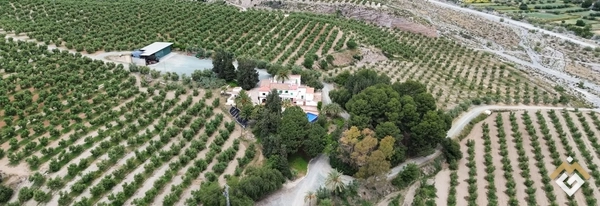 Certified Organic Olive Estate$2,850,000
 Exquisite Villa in Alcaidesa€4,500,000
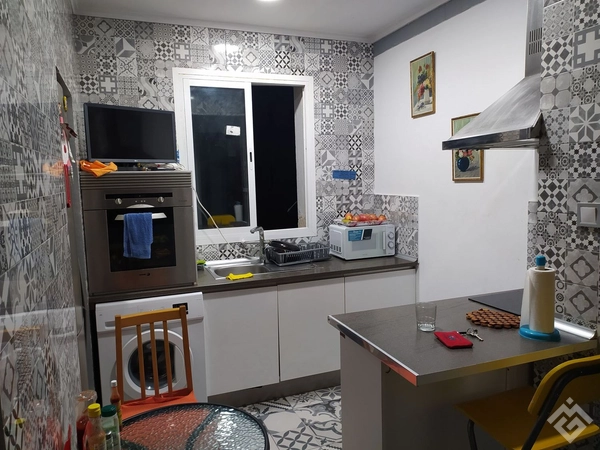 Apartment for sale in Francesc Tarrega, 3€174,250
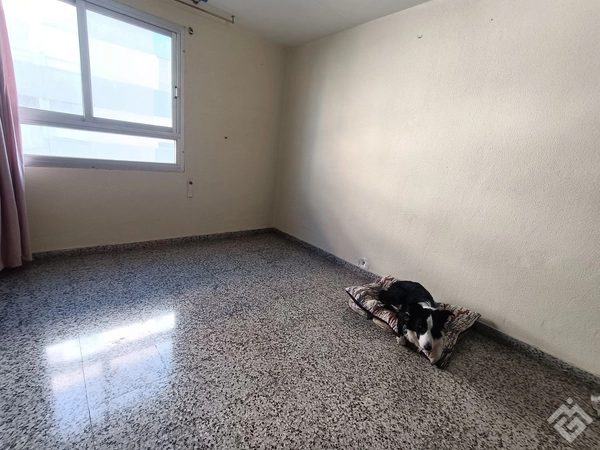 Apartment for sale on Avenida Sants de la Pedra, 3€123,000
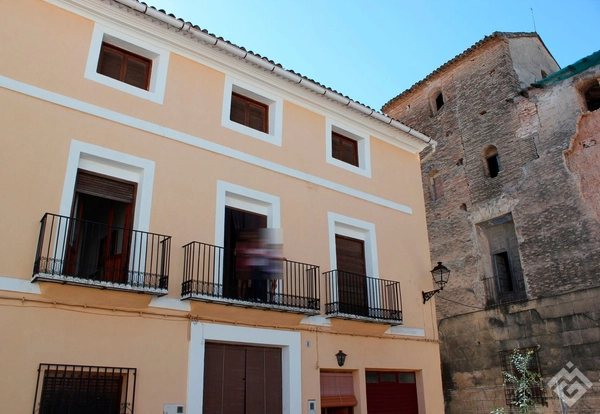 Duplex for sale in Plaza Major, 8€82,000
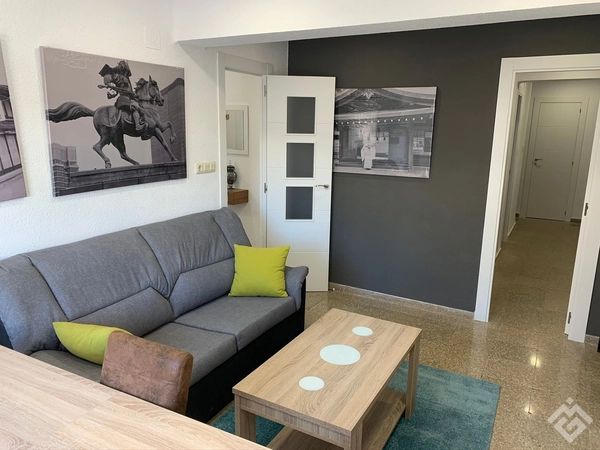 Apartment for sale on San Joaquín Street, 14€112,750