

How to Sell a Property in Germany in 2026: Steps, Costs, Taxes
A practical guide to selling a home in Germany, from pricing and documents to notary steps, fees, taxes, timelines, and common pitfalls.
If you are selling a residential property in Germany, you need to prepare the paperwork early, price it against local market evidence, and expect the sale to go through a notary. The process usually runs from gathering documents and marketing the property to signing, payment after conditions are met, and then the land-register transfer. Some costs and taxes fall on the buyer, but you should still plan for the items that affect your net proceeds.
Price it correctly
You should set the asking price from a market comparison, not from guesswork. Seller-side pricing practice commonly starts with a valuation based on comparable local sales, and consumer guidance recommends a professional market-value assessment before you decide the figure. This matters because brokerage, transfer tax, and notary formalities can reduce what you actually receive, so the list price should reflect local demand and your likely net proceeds rather than just what you hope to achieve. If there are unusual features, such as encumbrances or recent modernisations, you should take those into account before marketing. Confirm any valuation method with a local professional if you are unsure how your property compares.
Gather the documents
You should gather the main documents before you market the property. The seller normally needs the land-register extract, energy performance certificate, floor plans, calculation of living area, proof of ownership, and, where relevant, evidence of modernisations or encumbrance releases. The energy performance certificate is mandatory for a residential sale. In commercial real-estate advertisements, required energy data must be included, and the seller or broker must present the energy performance certificate, or a copy, no later than the viewing; if no viewing takes place, it must be provided promptly on request and handed over after the contract is signed. Only qualified persons may issue that certificate, and it typically runs to about 5 pages. Getting these papers together early helps avoid delays once a buyer is found and the notary starts the contract process.
Follow the legal sale steps
You should expect the sale to be handled through a notary. In Germany, a contract for the sale of real estate must be notarized. The notary can obtain information from the land register and is responsible for the notarisation and the formal execution steps of the transfer. After signing, the notary typically handles the legal execution steps, including notifications to the tax office and the steps needed for the land-register transfer. The notary is the person who moves the transaction through the formal legal stages, not you directly. The legal basis is the German Civil Code, but the conveyance of real estate rights requires the special notarial form. This is a point where local practice can vary, so confirm the sequence with the notary handling your sale.
Understand the timeline
You should plan for a multi-step process rather than a quick sale. A standard sale process in Germany typically starts with gathering documents, then marketing, negotiating, drafting the notarial contract, signing, payment after conditions are met, and finally land-register transfer. The typical time from listing to completion is not fixed by law, and consumer guidance warns that notarization and registration can delay closing, especially if documents are incomplete. Federal guidance notes that communication in the execution of real-estate contracts has historically been mostly paper-based and by post, which is one reason digitalisation reforms were proposed. You should therefore expect timing to depend heavily on document readiness and how smoothly the formal steps move.
Know the fees and commission
You should budget for brokerage, notary-related costs, and any other sale-related expenses that affect your net proceeds. The amount of the agent’s commission is not fixed by law and is often around 5.95% to 7.14% including VAT, depending on the region. Since December 2020, for the purchase of a home or apartment by a consumer, the broker fee must be shared between buyer and seller; the buyer may generally be charged no more than 50% of the total agreed commission when the broker is engaged by the seller or by both sides. For brokered residential purchases, the buyer of a house or apartment may pay at most half of the brokerage commission when the broker is engaged by the seller or by both sides, so the burden is often split rather than paid by one side alone. Brokerage commission is generally due only when the transaction succeeds and the purchase contract is concluded. Buyers usually cover transfer tax, but if you are checking your net position, you should still allow for the sale being handled through the notary and for the cost structure around the transfer process.
Cover the seller taxes
You should check whether capital gains tax could arise on your sale. For sellers, the main tax risk is income tax on a private real-estate sale if the period between acquisition and disposal is no more than ten years. An owner-occupied home is generally exempt if it was used exclusively for own residential purposes during the relevant period, or in the year of sale and the two preceding years. The real-estate transfer tax is normally paid by the buyer, not the seller, and the rate is set by the federal states and currently ranges from 3.5% to 6.5%. If the transfer is recorded by notarial deed, the notary notifies the tax office of the property transfer, enclosing a certified copy of the deed. For anything that is not clear from your occupancy history or tax position, you should confirm the treatment with a local tax professional.
Handle non-resident rules
You should assume the same German sale formalities apply even if you do not live in Germany. For sellers who do not live in Germany, German property-sale formalities still apply if the property is in Germany, and the notarial process and statutory notifications still apply. If the property is in Germany, the relevant tax office can receive the sale notification because the notary reports the transfer to the tax office when the transfer is recorded by notarial deed. That means you still need the same documents and the same notarial process, even if you arrange matters from abroad. You should check any extra administrative steps for your country of residence with a local professional.
FAQ
How do I sell a house in Germany?
1. You usually gather the documents, market the property, negotiate, sign a notarised contract, and then complete the land-register transfer. The notary handles the formal legal steps after signing.
What documents do I need to sell property in Germany?
1. You normally need the land-register extract, energy performance certificate, floor plans, calculation of living area, proof of ownership, and any relevant modernisation or encumbrance release evidence.
Who pays the agent commission when I sell in Germany?
1. The commission is often split rather than paid entirely by one side in a residential sale with a broker. The fee is not fixed by law and is often around 5.95% to 7.14% including VAT, and the buyer may pay at most half when the broker is engaged by the seller or by both sides.
What taxes do I pay as a seller in Germany?
1. Your main seller-side tax risk is income tax on a private real-estate sale if the period between acquisition and disposal is no more than ten years, while self-use may give an exemption depending on the occupancy history. The buyer normally pays transfer tax.
Do I need a notary to sell a home in Germany?
1. Yes, the sale contract must be notarised. The notary can obtain information from the land register before notarisation and then handles the legal execution steps after signing.
Find out what your property is worth
Get a free AI valuation in about a minute, then list your property once and reach buyers and brokers across the GREM network.
Get a free valuationOwn a property? For owners ↗
Property for sale in Germany
Live listings from the GREM catalogue — prices and areas as of today.
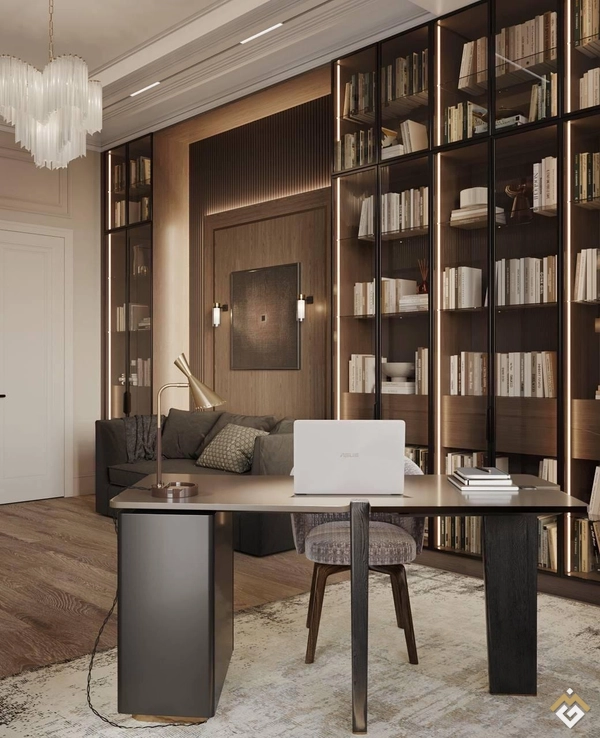 Wiesbaden€350,000
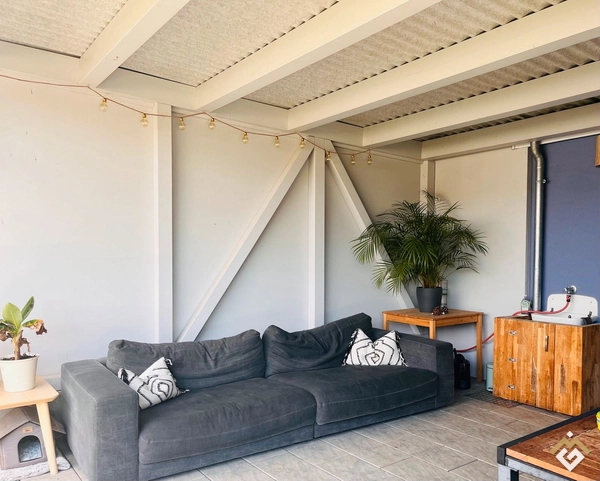 Well-maintained house with a beautiful garden (private sale) ❤️€790,000
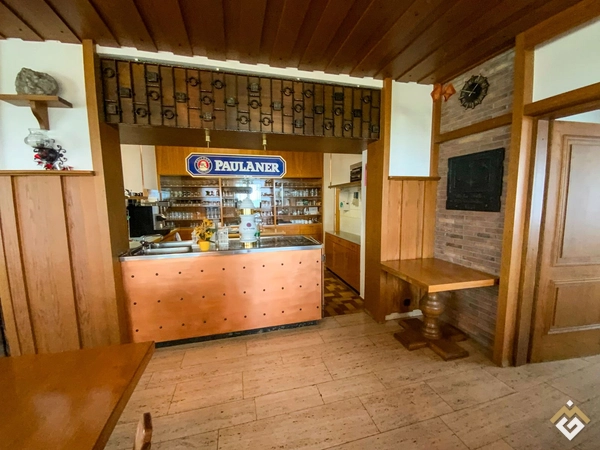 Former restaurant in a dreamlike secluded location with a view over the Ries – versatile property with history and€649,000
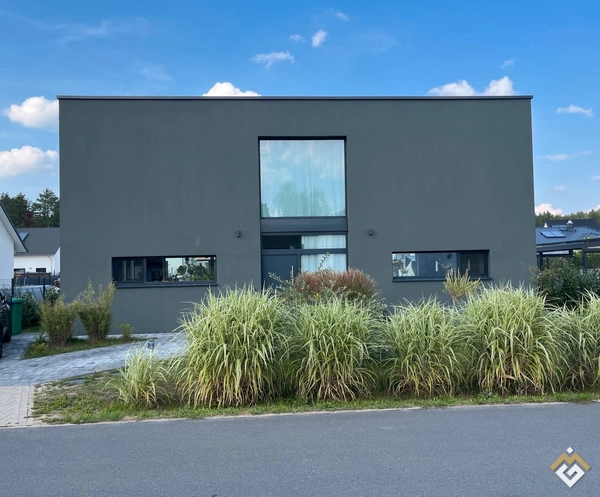 Single-family house Bauhaus style€620,000
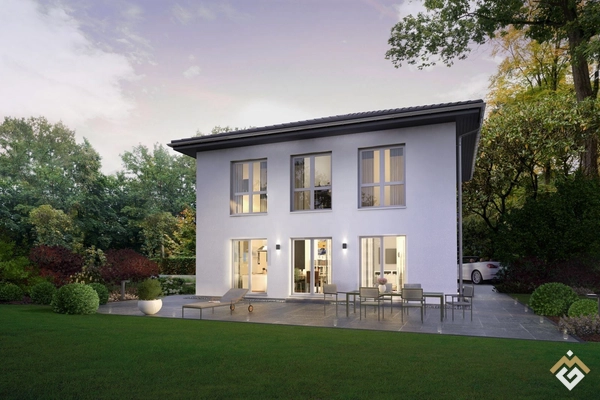 PLENTY OF SPACE FOR FAMILY, HOBBIES, AND FRIENDS - Painter-ready including land€484,900
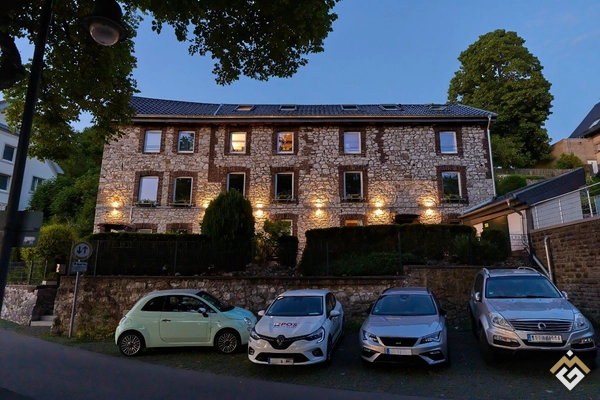 DFH: Historical charm meets representative living!€499,000