

How to Sell a Property in Portugal in 2026: Steps, Costs, Tax
A practical guide to selling an ordinary home in Portugal, covering pricing, documents, legal steps, seller costs, taxes and common mistakes.
If you are selling a residential property in Portugal, start by treating it as a market sale, not a tax exercise. You should compare recent local sold prices with current asking prices, because the tax value is not a market guide and valuation is done case by case. You also need to prepare the required documents early, because the energy certificate must be in place before marketing and the legal transfer depends on a clean ownership chain.
Price the home
Price the home by looking at recent local sold prices and current asking prices for similar properties in your area. The official tax value can be used as a benchmark in some procedures, but it is not a market price guide, so you should not rely on it to set the asking price. In practice, valuation is done case by case rather than by a single statutory formula, so you may need help from a local professional if the market is unclear. A home priced well is more likely to move faster than one that is too ambitious, and recent market reporting suggests that correctly priced homes tend to attract interest sooner than overpriced ones.
Get the documents
You need the energy certificate, the seller’s and buyer’s identification documents, the property’s technical file if it exists, and the use licence or proof of exemption. The seller also normally needs a valid title document and must be able to prove the chain of ownership before the sale is formalised. If the home was built after 7 August 1951, or was built earlier but later altered, the deed or title document used for the transfer must refer to the existence of the use licence or its legal exemption. You should gather these papers before you agree the completion date, because missing documents can delay the transfer.
Arrange the energy certificate
The energy certificate must be ready before you advertise the dwelling for sale, and the advertisement must show the energy class from a valid certificate. ADENE says an advertisement for a dwelling for sale or lease must include the energy class from a valid certificate. You must also present the certificate to potential buyers and deliver it at the deed or contract stage when you sell the house. For housing, the registration fee is typically between €28 and €65, plus the professional’s fee and VAT, so you should budget for that cost before listing.
Choose the legal route
The transfer can be completed through Casa Pronta, which lets you finish the sale and the related registrations in a single counter or appointment, and any person may use the service. You can book appointments online through SIGA or the sigaApp, and the service can be used by anyone. Portugal does not require a public notarial deed for every transfer; an authenticated private document can also be used, and the documents needed for the land register are valid only after authentication and online deposit. The key legal effect is the registration of the transfer, so you should make sure the registration is completed properly rather than focusing only on the document form. If the property has a legal right of first refusal in favour of public entities, you must use the online preference-notice service for the transaction information before completion.
Understand who handles what
You can use a licensed real-estate intermediary, but that activity is regulated by IMPIC, so you should check that the intermediary is properly licensed. The buyer and seller normally provide the required identification and property documents, while Casa Pronta can centralise the process. If there is a right of first refusal, the seller must use the preference-notice service before the sale can go ahead; the response deadline depends on the applicable legal regime and is not stated here. Once the sale is completed, the transfer should be registered without delay, because the documents needed for land registration are only valid after authentication and online deposit. If your case is not standard, you should confirm the route with a local professional.
Budget for seller costs
The seller usually pays the estate agency commission, and the commission terms, including whether it is a fixed amount or a percentage and when it is due, must be stated in the brokerage contract. Portuguese law allows the commission to be a fixed amount or a percentage, and the contract must state the remuneration terms and when payment becomes due. If you use Casa Pronta, a process with one registration costs €375, while a process with more than one registration costs €700 for one property; each additional property adds €50. You may also need to settle any outstanding IMI for the year of sale, and IMI is generally paid by the taxable owner as of 31 December of the tax year.
Tax the sale correctly
Your main tax exposure is capital gains tax on the gain from the sale. For resident individuals, only 50% of the capital gain is generally taken into account for IRS purposes, and for a main home you may be able to exclude the gain if you reinvest the proceeds in another qualifying main residence under the statutory reinvestment rules, subject to the legal conditions and deadlines. You must declare the intention to reinvest in your IRS Model 3 return for the year of sale, and the tax authority says the reinvestment must be evidenced in that return and, where applicable, in the following returns required by the tax authority. You may deduct acquisition- and sale-related expenses that qualify as deductible costs when computing the gain. For non-residents, the treatment of capital gains depends on the applicable Portuguese rules and any relevant double-tax treaty, so you should confirm the position for your facts before relying on this guide.
FAQ
How do you price a house for sale in Portugal?
First compare recent local sold prices with current asking prices for similar homes. Use the tax value only as a benchmark in some procedures, not as the market price.
What documents do you need to sell a house in Portugal?
You need the energy certificate, identification documents, the property’s technical file if it exists, and the use licence or proof of exemption. You also need the relevant title document and proof of ownership where required by the notary, lawyer, solicitor or Casa Pronta service.
Who normally pays the estate agent commission in Portugal?
Usually the seller pays it. The commission is whatever the brokerage contract states, and the contract must specify the remuneration terms and when payment is due.
What taxes does the seller pay when selling property in Portugal?
Capital gains tax is the main seller-side tax, and you may also need to settle any outstanding IMI for the year of sale. The exact capital gains treatment depends on whether you are resident or non-resident and whether reinvestment relief applies.
How long does it usually take to sell a home in Portugal?
The time needed to sell a home varies widely by location, price and market conditions. The timing varies widely by location and price.
Find out what your property is worth
Get a free AI valuation in about a minute, then list your property once and reach buyers and brokers across the GREM network.
Get a free valuationOwn a property? For owners ↗
Property for sale in Portugal
Live listings from the GREM catalogue — prices and areas as of today.
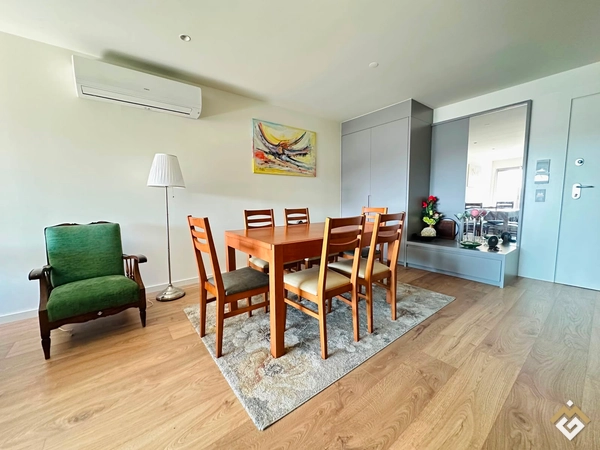 Modern 1-Bedroom Apartment with Balcony and Parking in Braga, Portugal€259,000
 T0 for sale on January 31, 183€283,818
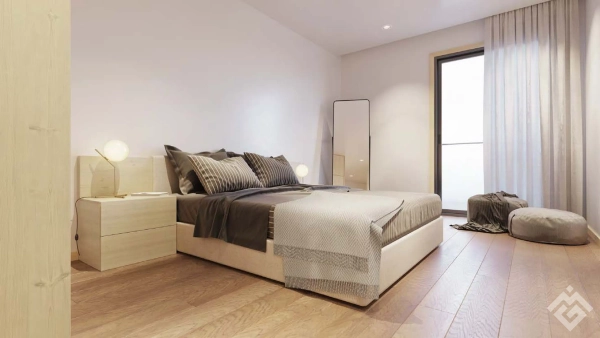 T0€208,075
 T0€231,650
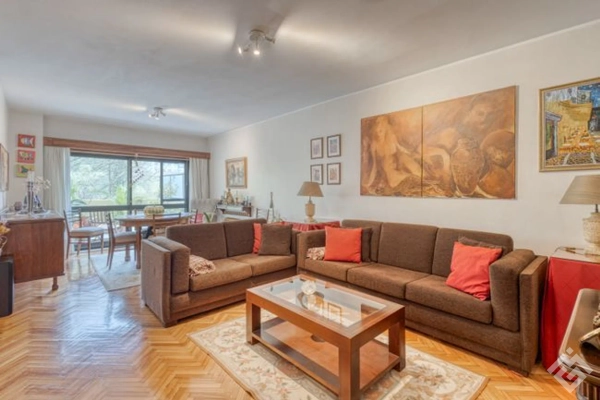 Apartment on Cardeal Dom Américo Street, 211€338,250
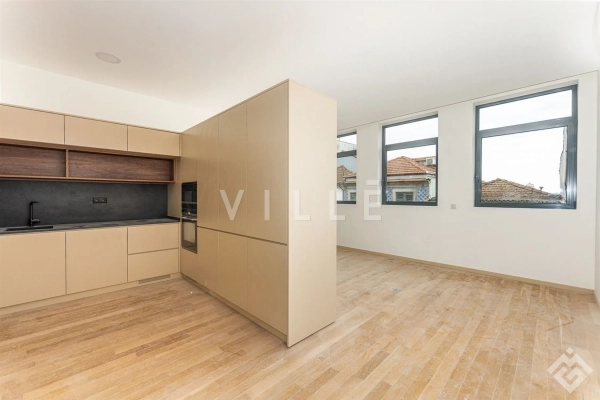 Apartment€271,625