

How to Sell a Property in the United Kingdom in 2026
A practical guide to selling a home in the UK in 2026, covering pricing, paperwork, legal steps, agent fees, tax and common mistakes.
Selling a residential property in the United Kingdom means choosing how to market it, preparing the right paperwork, and working through the legal transfer with the buyer’s side. The exact process depends on where the property is, whether you use an agent, and whether you are resident in the UK for tax purposes. You should confirm any point that is uncertain with a local solicitor, conveyancer, tax adviser or estate agent.
How to price the property
How to price the property depends on the local market, the condition of the home, and the evidence from similar sales nearby. You should use the guidance of a local estate agent if you choose to appoint one, or compare recent sales yourself if you sell privately. In Scotland, for Open Market Shared Equity sales, government guidance says the valuation used must have been carried out within the past three months. If you are unsure how to value the home fairly, you must confirm the approach with a local professional.
Choose how to sell
You can sell privately without an estate agent, or use a high-street, online, or hybrid estate agent in England and Wales. If you use an estate agent in England and Wales, buyers must make offers through the agent and the agent must tell you about any offers made. In Scotland, government guidance says a home can be put on the open market after you have obtained a Home Report, and for shared-equity sales you should contact the administering agent first if the property is part of a shared-equity scheme. You should choose the route that suits how much support you want with marketing, offers and administration.
Prepare the documents
The documents you need commonly include the title, property information, fixtures and fittings details, and answers to buyer enquiries about the property and the transaction. In Scotland, most residential properties marketed for sale need a Home Report, which usually consists of a Single Survey, an Energy Report and a Property Questionnaire; the surveyor prepares the Single Survey and Energy Report, and the seller completes the Property Questionnaire, and the valuation in the Home Report must be recent enough for the relevant scheme or sale context. If you are selling in England and Wales, the seller’s side commonly needs the property information and title documents ready so the legal work can start once an offer is accepted. You should ask a local professional to confirm any extra paperwork for your property.
Work through the legal steps
The legal steps are handled through the seller’s legal representative if you use one, and the buyer’s solicitor or conveyancer on the other side. In England and Wales, an offer is not legally binding until contracts are exchanged, and after you’ve accepted an offer, you are responsible for drawing up a legal contract to transfer ownership. If you hire a solicitor or conveyancer, that professional drafts the initial contract, answers the buyer solicitor’s questions, and negotiates contract details if needed. At completion, the buyer’s solicitor or conveyancer transfers the money to your legal representative, and you then move out and hand over the property.
Know the fees and who pays
The seller usually pays their own conveyancing costs, which can include the legal representative’s fee and any outstanding estate agent fees. Estate agent fees in England and Wales are set by the contract, so you should check the terms carefully before you sign, including whether the contract gives the agent sole selling rights or could create dual fees. If you use more than one agent, dual fees can arise, and a sole-selling-rights contract can mean you owe the fee even if you find the buyer yourself. Estate agents and mortgage lenders must tell you if they receive a referral fee for recommending a legal professional, surveyor or broker. In Scotland, government guidance says sale-related fees such as estate agent fees and solicitor or conveyancer fees are generally not deducted from the sale price or market value in shared-equity sale calculations, and the seller is normally responsible for those costs.
Understand tax on the sale
Tax on the sale may include Capital Gains Tax if the property is not fully covered by Private Residence Relief or if it is not your only or main home for the whole period of ownership, subject to the usual CGT rules and any reliefs that apply. HMRC says you can usually deduct allowable selling costs, such as estate agents’ and solicitors’ fees, when calculating a gain on a property sale, if those costs are wholly and exclusively incurred for the disposal. For 2026 to 2027, the annual exempt amount is £3,000 for individuals and personal representatives, and £1,500 for most trustees, and the residential property rates for individuals are 18% and 24%. If you are married or in a civil partnership, you and your spouse or civil partner can only have one main residence for Private Residence Relief at any one time between you. You should confirm the tax position with a specialist, especially if there is more than one home or if the ownership history is unusual.
Deal with deadlines and non-resident rules
The timing of the sale varies, and completion commonly happens about 2–4 weeks after exchange, although timing varies. HMRC says most UK property disposals that trigger Capital Gains Tax must be reported and paid within 60 days, and you should not wait until the next tax year to report gains on UK residential property. If you are not resident in the UK for tax, HMRC says you may need to report disposals of UK property or land even if no tax is due, and the rules for gains depend on when the property was acquired and the type of property sold. For non-resident sellers, the reporting deadline is generally 60 days for disposals from 27 October 2021 onwards, and you may appoint an agent to report the disposal, but you still need to provide the disposal details unless an exception applies, such as a disposal that is fully covered by Private Residence Relief. If the property was owned before 6 April 2015 and you are a non-resident disposing of UK residential property, the gain calculation generally uses the market value at 5 April 2015, subject to the detailed HMRC rules.
FAQ
When does an accepted offer become legally binding in England and Wales?
In England and Wales, an offer becomes legally binding only when contracts are exchanged.
Who usually pays the estate agent fee when I sell my home?
Usually you do, because estate agent fees are set by the contract and can still be owed even if you find the buyer yourself, depending on the type of agreement you signed.
What documents do I need to sell a house in the UK?
You commonly need the title, property information, fixtures and fittings details, and answers to buyer enquiries; in Scotland, most homes also need a Home Report.
Do I need to pay Capital Gains Tax when I sell my home?
You may need to pay it if Private Residence Relief does not apply fully; you can usually deduct allowable selling costs when working out the gain, subject to HMRC’s rules.
What should a non-resident seller check first?
You should check the reporting rule and the tax basis for non-residents, because HMRC says some UK property sales may need to be reported within 60 days even if no tax is due.
Find out what your property is worth
Get a free AI valuation in about a minute, then list your property once and reach buyers and brokers across the GREM network.
Get a free valuationOwn a property? For owners ↗
Property for sale in United Kingdom
Live listings from the GREM catalogue — prices and areas as of today.
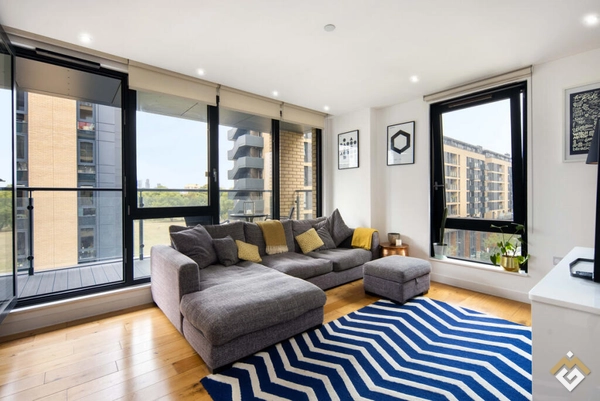 Cadmium Square, London, E2£550,000
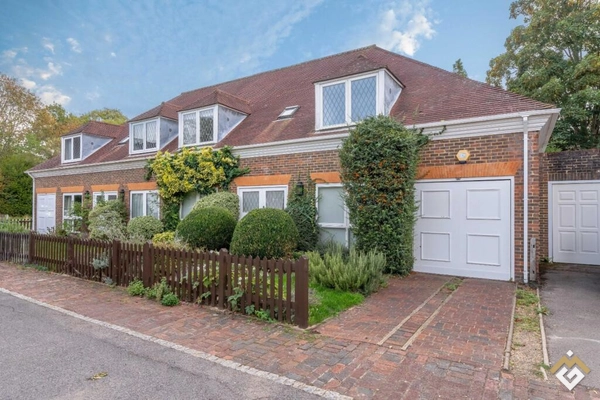 The Orangery, Richmond, TW10£1,950,000
 Abbey Lodge, Park Road, St John's Wood, London, NW8£7,500,000
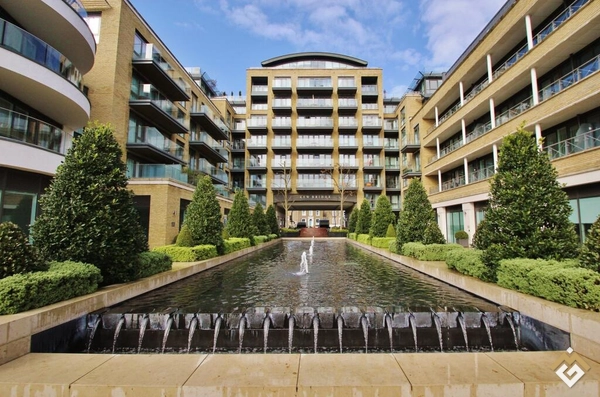 Kew Bridge Road, Brentford, TW8£775,000
 Ealing Village, London, W5£425,000
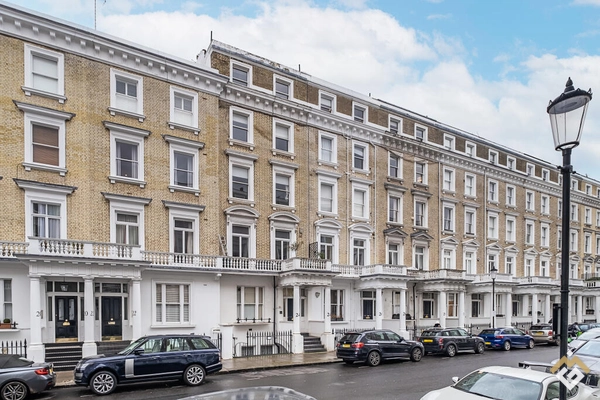 Harcourt Terrace, London, SW10£850,000