

How Much Is My Property Worth in the United Kingdom in 2026
Use official sold prices, the house price index and a professional opinion to set a realistic figure before you put your home on the market.
Your property is worth what a buyer will pay for it now, and the strongest evidence is recent sold prices for similar homes nearby. In England and Wales you can check these in HM Land Registry price paid data, while Scotland and Northern Ireland have their own services. The UK House Price Index put the average UK home at £273,000 in August 2026. Use that as background, then narrow your figure with comparable sales, an agent's appraisal or a RICS valuation.
Start with official sold prices
HM Land Registry publishes Price Paid Data for residential sales in England and Wales that were sold for value and lodged for registration. Records go back to January 1995. Each entry gives the price, the date of transfer, the postcode, the property type, whether the home was a new build and whether it was freehold or leasehold. You can search by address. The data has limits. Sales usually appear two weeks to two months after completion, so the two most recent months are incomplete. Gifts, transfers on divorce, discounted right-to-buy sales and leases of seven years or less are left out. The record also says nothing about floor area, condition or improvements, so two houses on one street can differ for good reasons. Pick several sales of the same property type close to you from the last year, then adjust for size and condition. A title register costs £7 and usually shows how much a single property was last sold for.
Property for sale in United Kingdom
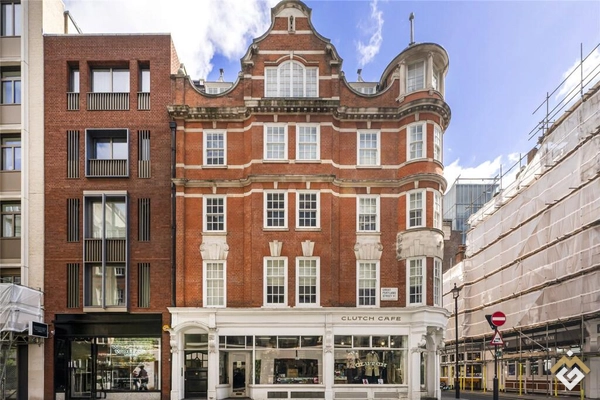 Great Portland Street, London, W1W£895,000
 Dorset Square, Marylebone, NW1£1,300,000
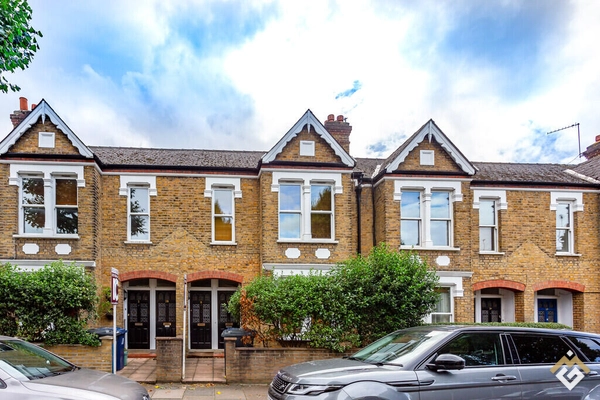 Temple Road, London£500,000
Read the UK House Price Index
The UK House Price Index is a designated National Statistic that tracks price change. It is produced jointly by HM Land Registry, Registers of Scotland, Land and Property Services Northern Ireland and the Office for National Statistics. It is published monthly, with Northern Ireland figures updated quarterly. It is built from completed sales, both cash and mortgage-funded, and uses a statistical model to adjust for the mix of homes sold. In August 2026 the average UK price was £273,000, up 0.9% on a year earlier. The average was £294,000 in England, £216,000 in Wales and £198,000 in Scotland, and £202,000 in Northern Ireland for the second quarter of 2026. London averaged £554,000 and was down 2.2% over the year, while the North East rose 3.2%. Treat these as direction, not as a price for your home. The first estimate for a month rests on about 40% of the sales that will eventually be registered, and figures are revised over 12 months.
Agent appraisal versus RICS valuation
An estate agent's valuation is a market appraisal: a no-obligation estimate of what your home could sell for. It is useful because the agent sees current buyer demand, but it is not a formal valuation. Ask each agent to show the sold comparables behind the number, and compare more than one opinion. Anyone doing residential estate agency work in the UK must belong to an approved redress scheme, a rule in force since 1 October 2008. A Red Book valuation is different. It follows the RICS Valuation Global Standards and can only be produced by a RICS Registered Valuer, who must carry professional indemnity insurance. It is often requested where tax or legal proceedings are involved, such as inheritance tax, capital gains tax, divorce or shared ownership. A RICS Home Survey is a condition report prepared for a buyer. Only the Level 2 survey and valuation option includes a market valuation, and a lender's mortgage valuation exists to protect the lender.
Check it with AI — free
Tools that work right away, without signing up.
Asking prices are not sold prices
Portal prices are what sellers hope for, and registered prices are what buyers paid. In August 2026 one large property portal reported a national average asking price of £364,999, while the official index put the average completed sale at £273,000. The two figures are not a like-for-like discount, because they cover different homes at different stages and are calculated in different ways. The gap still shows why asking prices are a poor guide on their own. The same portal reported that nearly three-quarters of homes sold so far in 2026 did so without a price reduction, and that the average time to find a buyer was 64 days in August 2026. The practical reading is that a realistic opening price matters. When you look at homes for sale near you, note how long each has been listed and whether the price has been cut. Then weigh them against sold prices for the same street or postcode.
Lease length and energy rating
Tenure changes value. With a leasehold home you own the property for a fixed period, and ownership returns to the landlord when the lease ends, so a shorter lease is worth less to a buyer. Official guidance states that when 80 years or less remain, the cost of extending increases significantly. If you qualify, you may be able to add 90 years to a flat lease or 50 years to a house lease. Check the remaining term on your lease or title register before you ask for a valuation, and take advice from a solicitor or specialist valuer on whether to extend before selling. Energy performance matters too. You need an Energy Performance Certificate when you sell, ordered before marketing begins. It rates the home from A to G and lasts 10 years. A government study of 325,950 homes in England sold between 1995 and 2011 found that energy efficiency is a key factor influencing sale price. Judge the rating alongside size, condition and location.
Council tax band is not value
Your council tax band does not tell you what your home is worth today. In England the Valuation Office places each home in one of eight bands according to what it would have sold for on 1 April 1991. In Wales the reference date is 1 April 2003 and there are nine bands. Band D in England, for example, covers values of £68,001 to £88,000 at 1991 prices. The Valuation Office states that it does not use property price indexes for valuations, so bands do not follow the market. A band can change in some cases when a property is altered, and a home that has grown since it was first assessed may move to a higher band when it is next sold. In Scotland homes are also placed in bands A to H, and you can check yours on the Scottish Assessors website. Use the band to tell buyers about running costs, not to set a price. For market value, rely on recent sold prices and a professional opinion.
Scotland and Northern Ireland differences
Property law and price data are organised separately in each part of the UK. In Scotland most homes for sale need a Home Report. Introduced in 2008, it has three parts: a single survey and valuation, a property questionnaire and an energy report. The survey is based on a visual inspection by a chartered surveyor and states what the home is worth, so buyers see an independent figure from the start. The report must be provided within nine days of a request from a serious buyer. New homes sold to their first occupier are among the exemptions. Sold prices in Scotland are searched through Registers of Scotland, not HM Land Registry. In Northern Ireland the house price index is published quarterly by Land and Property Services with the Northern Ireland Statistics and Research Agency. It reported a standardised price of £202,487 in the second quarter of 2026, up 9.2% over the year, with 5,324 sales recorded. Ask a local solicitor how the selling process works where your property is.
FAQ
How do I find out what my house is worth in the UK?
Start with recent sold prices for similar homes nearby. HM Land Registry price paid data covers England and Wales, Registers of Scotland covers Scotland, and Land and Property Services covers Northern Ireland. Then ask more than one estate agent for an appraisal and compare their evidence.
Is an estate agent valuation the same as a RICS valuation?
No. An agent's valuation is a no-obligation estimate of a likely selling price. A Red Book valuation follows the RICS Valuation Global Standards and can only be produced by a RICS Registered Valuer. It is the type often requested for tax matters, divorce and other legal proceedings.
Does my council tax band show the value of my home?
No. Bands in England reflect what a home would have sold for on 1 April 1991, and in Wales on 1 April 2003. The Valuation Office does not use house price indexes, so the band says nothing reliable about the price a buyer would pay today.
How accurate is the UK House Price Index for my property?
It measures average price change for an area, not the value of one home. It is based on completed sales, so it lags the market, and early estimates are revised over 12 months. Use it to understand direction, then rely on comparable sold prices near you.
Do I need a Home Report to sell a house in Scotland?
In most cases, yes. The Home Report contains a single survey and valuation, a property questionnaire and an energy report. Some homes are exempt, including new homes sold to their first occupier, but these still need an Energy Performance Certificate. Confirm your position with a Scottish solicitor.
Find out what your property is worth
Get a free AI valuation in about a minute, then list your property once and reach buyers and brokers across the GREM network.
Get a free valuationOwn a property? For owners ↗
Property for sale in United Kingdom
Live listings from the GREM catalogue — prices and areas as of today.
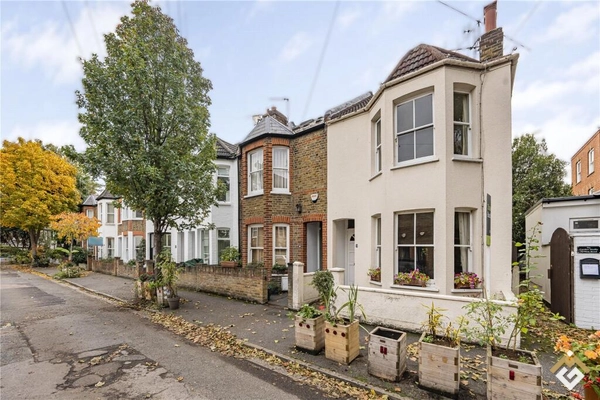 Evelyn Gardens, Richmond£975,000
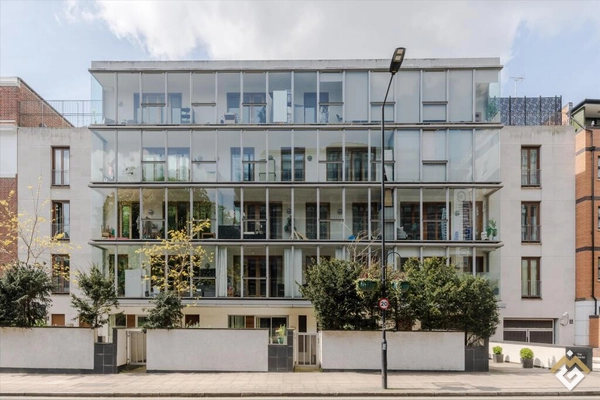 The Galleries, Abbey Road, St John's Wood NW8£1,000,000
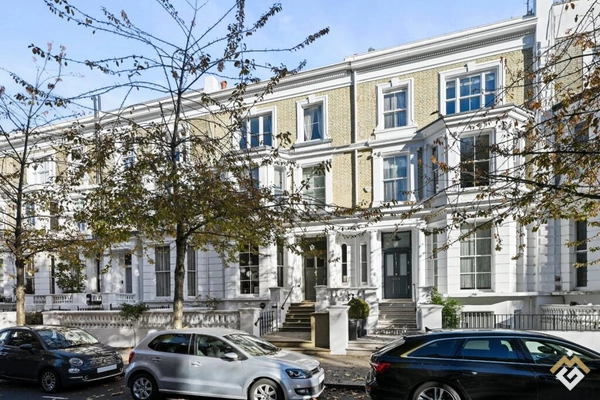 Russell Road, London, W14£1,100,000