

How to buy property in Germany as a foreigner: 2026 step-by-step guide
Transfer tax, notary process, mortgages for non-residents, total costs and ongoing taxes — what every foreign buyer needs to know in 2026.
Germany places no restrictions on foreigners buying property — non-residents and non-EU citizens have the same purchase rights as locals. The market is stable, transparent and notary-controlled, which makes it safe but slower and more cost-heavy than some neighbours. There is no golden visa: buying property does not grant residency. Here is the full process for 2026.
Can foreigners buy property in Germany?
Yes, with no restrictions. Any individual, regardless of nationality or residency, can buy residential or commercial real estate in Germany on the same terms as a German citizen. You do not need to live in Germany, hold a visa or have an EU passport. The one thing buying does not do is grant any immigration status — Germany has no investor or golden visa, so property ownership and residency are entirely separate matters.
Budget for the extra purchase costs (Kaufnebenkosten)
The headline price is only the start. On top you pay Grunderwerbsteuer (property transfer tax), which is set by each federal state and ranges from 3.5% (Bavaria, Saxony) to 6.5% (North Rhine-Westphalia, Brandenburg, Saarland, Schleswig-Holstein, Thuringia), with Berlin and Hesse at 6%. Add notary and Land Registry fees of roughly 1.5–2%, and estate agent commission (Maklerprovision) — since December 2020 this is split between buyer and seller, so the buyer typically pays around 3.57% including 19% VAT. All in, budget 9–12% above the purchase price.
Financing as a non-resident
German banks do lend to foreigners, but non-residents are usually capped at around 50–60% loan-to-value, versus up to 80–100% for residents — so expect to bring a larger deposit. Fixed rates in 2026 sit around 3.5–4.2%, typically with a fixed-interest period (Sollzinsbindung) of 10–15 years, which Germans strongly favour. Banks want proof of income, evidence of equity and a source-of-funds trail. Newcomers often have no SCHUFA credit record, which makes a local mortgage harder, so many foreign buyers either pay cash or finance partly from their home country.
The buying process step by step
Once you agree a price, the notary (Notar) drafts the purchase contract (Kaufvertrag). Both parties sign it in person at the notary, who reads it aloud — this signing is what makes the sale binding. The notary then registers a priority notice (Auflassungsvormerkung) in the Land Registry (Grundbuch) to protect you, clears any existing mortgages, and tells you when to pay. You transfer the funds, and ownership formally passes only when the new owner is entered in the Grundbuch, usually a few weeks later.
The role of the notary
In Germany the notary is mandatory and neutral — they act for the transaction, not for you, and charge roughly 1–1.5% of the price. They verify legality, hold the contract, manage the registry steps and ensure taxes are paid. Because the notary is impartial, foreign buyers handling a complex purchase (off-plan, inheritance, company ownership) often also hire their own lawyer to review the contract before signing.
Taxes you will pay as an owner
Annual Grundsteuer (property tax) was reformed from January 2025 onto a new valuation basis, so amounts vary by municipality and property. Apartment owners also pay Hausgeld (monthly service charge plus a maintenance reserve), typically €200–500. Rental income is taxed at progressive rates. If you sell within 10 years and the property was not your own home, profit is subject to speculation tax (Spekulationssteuer). Energy-efficiency rules under the Building Energy Act (GEG) can also impose renovation obligations on older homes.
Where foreigners buy
Munich is the most expensive market, followed by Frankfurt, Hamburg and Berlin. Berlin still attracts international buyers for its relative value and rental demand. Leipzig is the standout growth-and-yield city. Frankfurt suits finance professionals, Cologne and Düsseldorf offer balanced western-Germany markets. Yields are modest by European standards — Germany is bought for stability and capital preservation more than high rental returns.
Common mistakes to avoid
Underestimating the Kaufnebenkosten — many buyers budget price plus 5%, but the real figure is 9–12%. Assuming the purchase brings residency — it does not. Skipping a check of the building reserve fund (Instandhaltungsrücklage) for apartments. Ignoring upcoming heating and insulation obligations under the GEG, which can mean a large bill on an older property. And signing the Kaufvertrag before mortgage financing is confirmed, since the notarised contract is binding.
FAQ
Can a non-EU foreigner buy property in Germany?
Yes. There are no restrictions based on nationality or residency — a non-EU, non-resident buyer has the same rights as a German citizen.
Does buying property give residency in Germany?
No. Germany has no golden or investor visa. Property ownership and residency are separate — you would need a work, study, family or self-employment visa independently.
How much are the extra costs on top of the price?
Around 9–12%: transfer tax (Grunderwerbsteuer) of 3.5–6.5% by state, notary and Land Registry fees of about 2%, and buyer's agent commission of roughly 3.57% including VAT.
Can I get a German mortgage as a foreigner?
Yes, though non-residents are usually limited to about 50–60% loan-to-value. Fixed rates in 2026 are around 3.5–4.2%. Expect to document income, equity and source of funds.
What is the property transfer tax in Germany?
It is the Grunderwerbsteuer, set by each federal state, ranging from 3.5% (Bavaria, Saxony) to 6.5% (e.g. North Rhine-Westphalia, Brandenburg).
How long does buying take?
Typically 6–12 weeks from the notarised contract to the Land Registry entry that transfers ownership. Cash purchases are faster than mortgage-financed ones.
Ready to find your property in Germany?
Browse verified listings in Berlin, Munich, Frankfurt and across Germany. Contact sellers directly through GREM — no intermediaries.
Browse property in GermanyOwn a property? For owners ↗
Property for sale in Germany
Live listings from the GREM catalogue — prices and areas as of today.
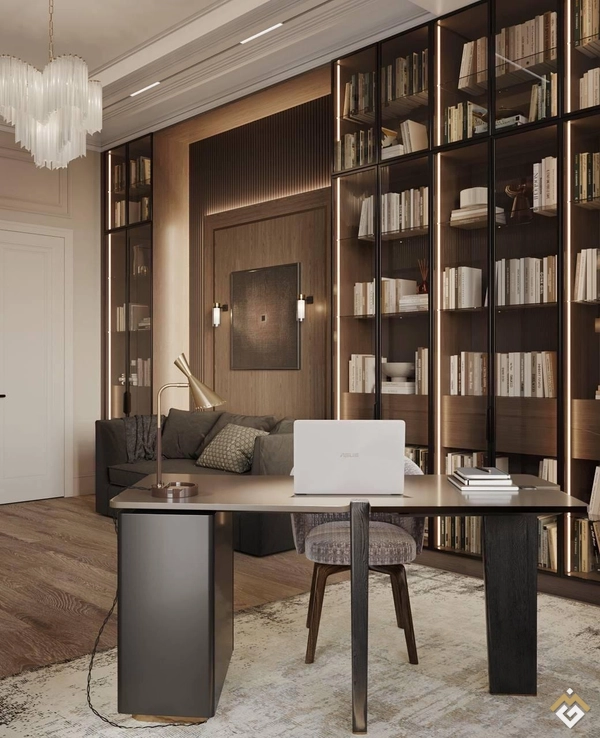 Wiesbaden€350,000
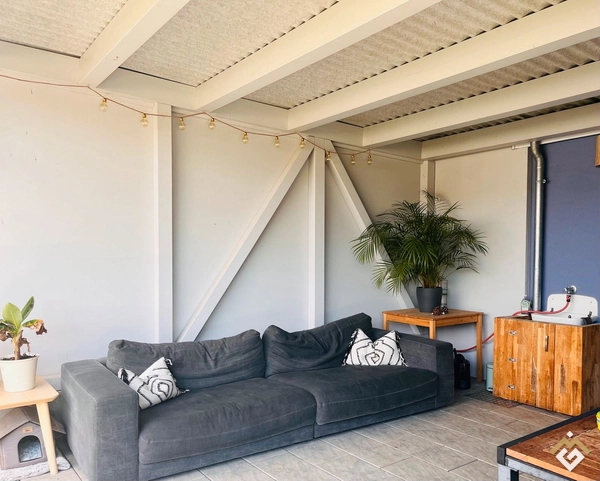 Well-maintained house with a beautiful garden (private sale) ❤️€790,000
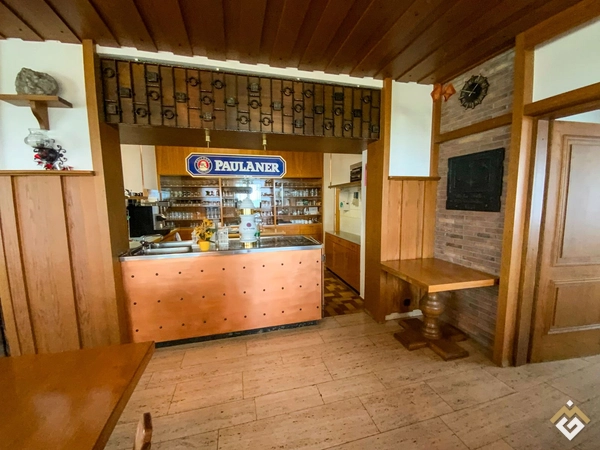 Former restaurant in a dreamlike secluded location with a view over the Ries – versatile property with history and€649,000
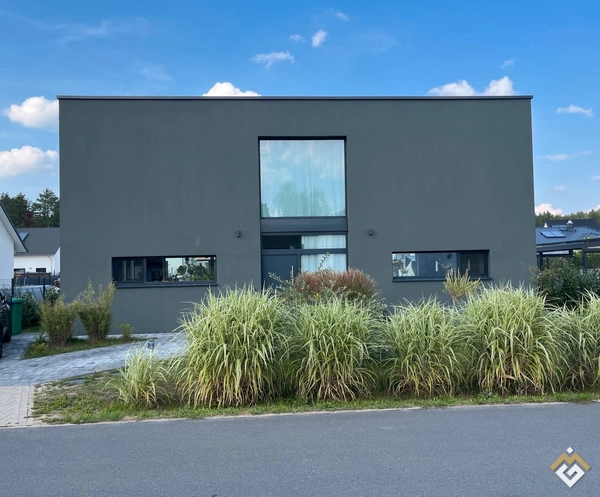 Single-family house Bauhaus style€620,000
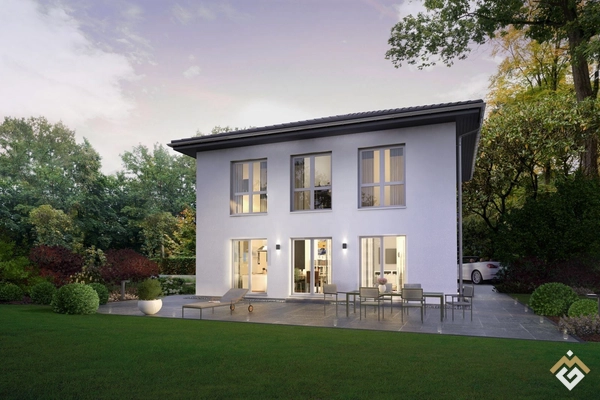 PLENTY OF SPACE FOR FAMILY, HOBBIES, AND FRIENDS - Painter-ready including land€484,900
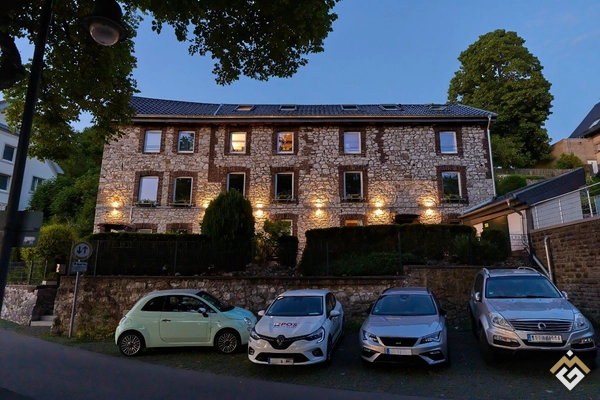 DFH: Historical charm meets representative living!€499,000