

How to buy property in the UK as a foreigner: 2026 step-by-step guide
Stamp Duty and the non-resident surcharge, leasehold vs freehold, conveyancing, expat mortgages and ongoing costs — the full UK process in 2026.
The UK has no restrictions on foreign ownership — non-residents buy freely, and London in particular has a deep international market. The two things that catch foreign buyers out are Stamp Duty, with surcharges for non-residents and additional homes, and the leasehold system, which is unfamiliar to most. Rules also differ in Scotland and Wales. The process below is for England.
Can foreigners buy property in the UK?
Yes, with no restrictions — non-residents and foreign nationals can buy on the same basis as UK citizens, and there is no minimum residency requirement. What buying does not do is grant any immigration status: the Tier 1 (Investor) visa closed to new applicants in February 2022, so property purchase no longer offers a residency route.
Stamp Duty Land Tax (SDLT) and the surcharges
In England and Northern Ireland you pay SDLT on a banded scale. Foreign buyers face two surcharges on top: a 2% non-resident surcharge, and a 5% higher rate for additional dwellings (raised from 3% in October 2024) if you already own a home anywhere in the world. A non-resident buying a second property therefore pays the standard rate plus 2% plus 5%. Scotland uses a separate tax (LBTT) and Wales uses LTT, each with their own bands and surcharges, so confirm which applies.
Leasehold vs freehold — a crucial distinction
Freehold means you own the building and the land it sits on outright. Leasehold means you own the property for a fixed term — common for flats — and pay ground rent and a service charge to the freeholder. The remaining lease length matters enormously: below about 80 years it becomes expensive to extend and harder to mortgage. Leasehold reform legislation has been tightening these rules, but always check the lease term and charges before buying a flat.
Expat and non-resident mortgages
Specialist lenders offer expat and non-resident mortgages, typically at 60–75% loan-to-value, with rates around 4.5–5.5% in 2026. They require more documentation than a standard mortgage, and some restrict lending by the borrower's country of residence or income currency. In prime central London especially, a large share of overseas buyers simply pay cash, which also makes for a faster purchase.
The conveyancing process step by step
You make an offer, which is not legally binding. You then instruct a solicitor or licensed conveyancer who runs property searches and arranges a survey, while your mortgage offer is finalised. The deal becomes binding only at exchange of contracts, when you pay a deposit of around 10%. Completion follows, usually two to four weeks later, when the balance is paid and you get the keys. England has no cooling-off period, and gazumping — a seller accepting a higher offer before exchange — is legal.
Ongoing costs and taxes
Owners pay Council Tax annually, based on the property's band. Leasehold flats add ground rent and a service charge, which in new-build towers can be substantial. Rental income from UK property is taxable, and non-resident landlords must operate under the Non-Resident Landlord (NRL) scheme. Non-residents have paid Capital Gains Tax on UK residential property since 2015. Property held through a company may face the Annual Tax on Enveloped Dwellings (ATED).
Where foreigners buy
Prime central London (Kensington, Chelsea, Mayfair, Knightsbridge) is the classic international market. Outer London and commuter towns offer better value. Manchester and Birmingham lead the regional cities for rental yield and regeneration, Edinburgh is the prime Scottish market, and university cities attract student-let investors.
Common mistakes to avoid
Forgetting the non-resident and additional-dwelling SDLT surcharges, which can add 7% to the tax bill. Buying a flat with a short lease. Skipping a proper survey on an older property. Underestimating service charges in new-build apartment blocks. And failing to plan for Capital Gains Tax and the Non-Resident Landlord scheme if you intend to let the property.
FAQ
Can a foreigner buy property in the UK?
Yes. There are no restrictions on non-residents or foreign nationals, and no minimum residency requirement.
Does buying UK property give residency or a visa?
No. The Tier 1 (Investor) visa closed to new applicants in 2022, so buying property grants no immigration status.
How much is Stamp Duty for a non-resident?
In England and Northern Ireland, standard SDLT plus a 2% non-resident surcharge, plus a further 5% if it is an additional dwelling. Scotland and Wales use different taxes (LBTT and LTT).
What is the difference between leasehold and freehold?
Freehold means you own the land and building outright. Leasehold means ownership for a fixed term — common for flats — with ground rent and a service charge, and the remaining lease length matters.
Can non-residents get a UK mortgage?
Yes, through specialist expat lenders at roughly 60–75% loan-to-value and rates around 4.5–5.5%. Many overseas buyers, especially in prime London, pay cash instead.
Do non-residents pay UK Capital Gains Tax?
Yes. Since 2015, non-residents pay Capital Gains Tax on gains from UK residential property.
Ready to find your property in the UK?
Browse verified listings in London, Manchester, Birmingham and across the UK. Contact sellers directly through GREM — no intermediaries.
Browse property in the UKOwn a property? For owners ↗
Property for sale in United Kingdom
Live listings from the GREM catalogue — prices and areas as of today.
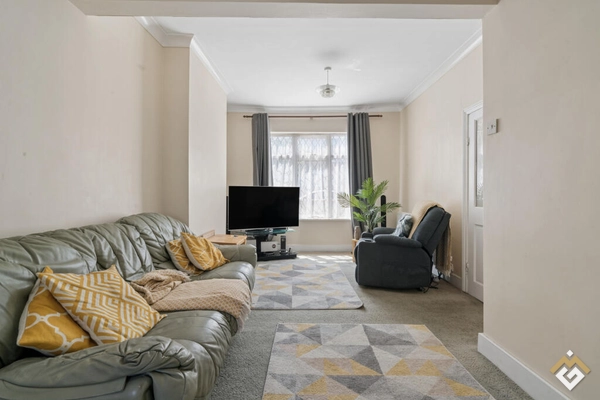 Edgington Road, Lambeth, London£565,000
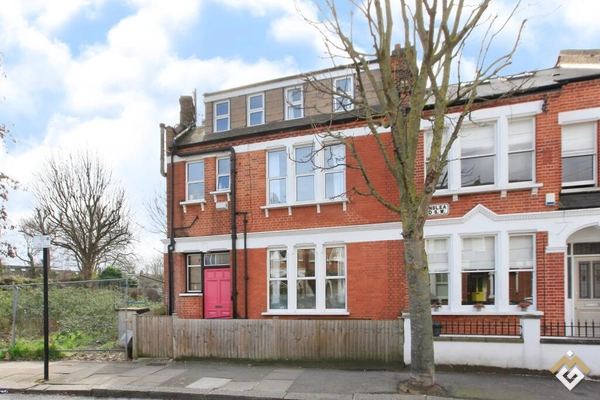 Ravenslea Road, Wandsworth Common, SW12£1,800,000
 Powis Street, London, SE18£425,000
 Westworth House, 1 Down Place, Hammersmith, London, W6£500,000
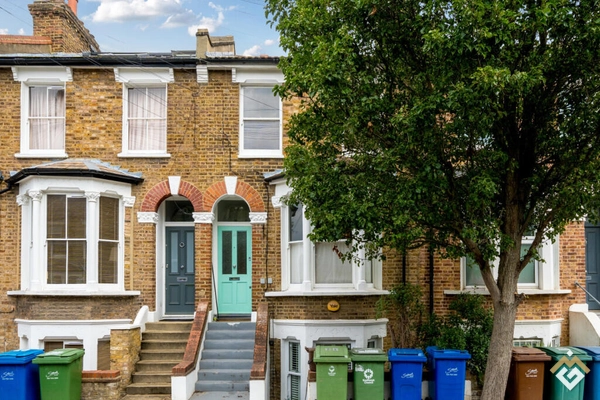 Rodwell Road, East Dulwich, London, SE22£675,000
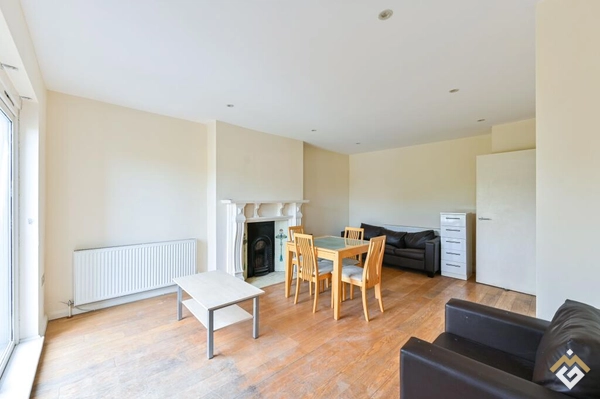 Telford Avenue, London, SW2£550,000