

How to Buy Property in Italy as a Foreigner (2026 Guide)
Learn exactly how foreigners buy Italian property in 2026, from legal eligibility and the notary process to taxes, mortgages, residency options and the mistakes to avoid.
Italy welcomes foreign buyers, and in most cases purchasing a home here is refreshingly straightforward. Whether you want a Tuscan farmhouse, a Milan apartment or a coastal escape, the legal framework is open but the process, costs and tax rules differ sharply from those at home. This guide walks you through the entire journey so you can buy with confidence and avoid expensive surprises.
Who Can Buy and the Reciprocity Rule
Italy places very few restrictions on foreign property ownership. EU and EEA citizens enjoy the same rights as Italians. Non-EU buyers are generally allowed to purchase under the principle of reciprocity: if Italians can buy property in your country, you can buy in Italy. Citizens of the US, UK, Canada, Australia and many other nations qualify automatically. You do not need residency or a visa simply to own property. There are no restrictions on the number of homes you may buy, though agricultural land, border zones and some historic or protected properties can carry extra conditions. Your notary will confirm reciprocity for your nationality. Always verify your specific eligibility with a licensed Italian lawyer before committing funds.
The Step-by-Step Buying Process
First, obtain a codice fiscale (Italian tax code) and open an Italian bank account. Once you find a property, you typically make a written offer (proposta d'acquisto) with a small deposit. If accepted, you sign a preliminary contract (compromesso) and usually pay 10 to 20 percent, registering it to protect your rights. The transaction completes at the rogito, the final deed signed before a notaio (public notary), who is neutral, verifies title and registers ownership. The notary is mandatory and central to every Italian purchase. Engaging an independent lawyer and a surveyor (geometra) to check planning, boundaries and debts is strongly recommended. The full process commonly takes two to four months.
Costs and Taxes to Budget For
Beyond the price, budget roughly 10 to 15 percent in transaction costs. Registration (purchase) tax is typically around 9 percent of the cadastral value for second homes, or about 2 percent if it qualifies as your primary residence; buying from a developer usually means VAT (around 10 percent, or 22 percent for luxury) instead. Notary fees often run 1 to 2.5 percent, agency commission commonly 2 to 4 percent plus VAT, and a lawyer adds 1 to 2 percent. Ongoing costs include IMU annual property tax on second homes and condominium charges. These are approximate 2026 figures and vary by region and property; confirm exact amounts with a licensed Italian notary or tax advisor.
Financing and Mortgages for Non-Residents
Italian banks do lend to foreigners, but non-residents face stricter terms. Expect loan-to-value caps around 50 to 60 percent for non-residents, versus up to 70 to 80 percent for residents, meaning a larger cash deposit. Lenders assess income, existing debts and credit history, and usually require documents translated and sometimes apostilled. Mortgages can be fixed or variable rate, with terms commonly up to 20 to 25 years and an age cap at maturity. The bank's valuation (perizia) and a mortgage registration tax apply. Approval can take several weeks, so start early and get a preliminary offer before signing the compromesso. Rates and lending criteria shift frequently, so compare current offers and consult a mortgage broker familiar with non-resident applications.
Residency, Visas and Common Pitfalls
Owning property does not grant residency or the right to live in Italy long term. Non-EU buyers wanting to stay beyond 90 days typically pursue an elective residence visa (proof of stable passive income, no work) or another national visa. Italy has no classic real-estate Golden Visa, though its investor visa requires investment in companies or bonds, not housing. Common pitfalls include skipping independent due diligence, undeclared building works (abuso edilizio), inheritance or boundary disputes, underestimating renovation costs on rural homes, and relying solely on the seller's agent. Currency-exchange timing and foreign-account reporting also catch buyers out. Always use an independent, English-speaking lawyer and verify the visa and tax position with current professional advice.
FAQ
Can a foreigner buy property in Italy without residency?
Yes. You do not need to be a resident or hold a visa to buy property in Italy. Non-EU buyers purchase under the reciprocity principle, which most major nationalities satisfy. You will, however, need an Italian tax code (codice fiscale) and typically an Italian bank account to complete the transaction.
How much are the total costs of buying in Italy?
Beyond the purchase price, budget roughly 10 to 15 percent for taxes and fees. This includes registration tax or VAT, notary fees of about 1 to 2.5 percent, agency commission of 2 to 4 percent plus VAT, and legal costs. Figures vary by region and property type, so confirm current amounts with a local notary.
Can non-residents get a mortgage in Italy?
Yes, but terms are tighter. Italian banks often cap non-resident lending around 50 to 60 percent loan-to-value, requiring a larger deposit. You will need proof of income, translated documents and a property valuation. Approval can take several weeks. Rates change frequently, so compare offers and consider a broker who handles non-resident applications.
Does buying property in Italy give me residency?
No. Property ownership alone does not grant residency or a long-stay right. To live in Italy beyond 90 days, non-EU buyers usually apply for an elective residence visa, which requires stable passive income and prohibits working. Italy has no housing-based Golden Visa, so seek current immigration advice for your situation.
What is a notary's role in an Italian purchase?
The notaio is a mandatory, neutral public official who verifies the title, checks for debts or charges, drafts the final deed (rogito), collects taxes and registers ownership. They protect the legality of the transaction but do not represent you personally, so engaging your own independent lawyer for due diligence is strongly recommended.
Find your Italian home with GREM
Browse verified listings across Italy and connect with vetted local agents and lawyers who guide foreign buyers through every step, from offer to notary.
Start your searchOwn a property? For owners ↗
Property for sale in Italy
Live listings from the GREM catalogue — prices and areas as of today.
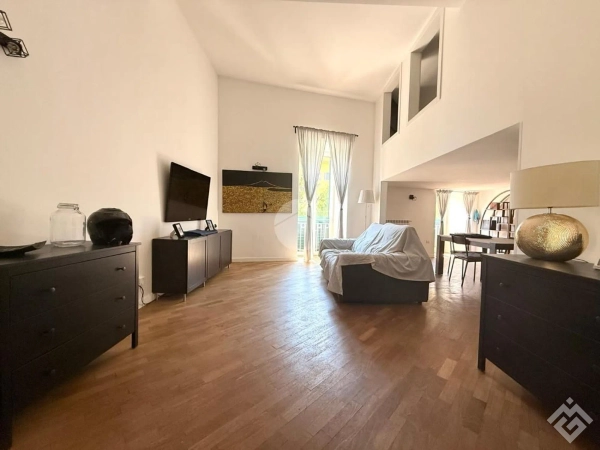 Apartment on Nicola Ricciardi Street, 5€404,875
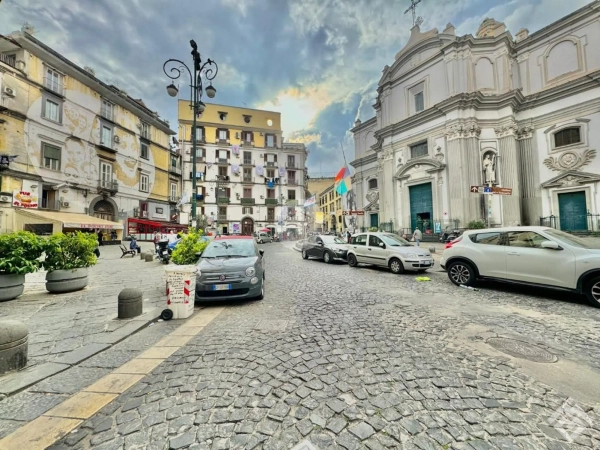 Apartment in Vico Lammatari, 46€91,225
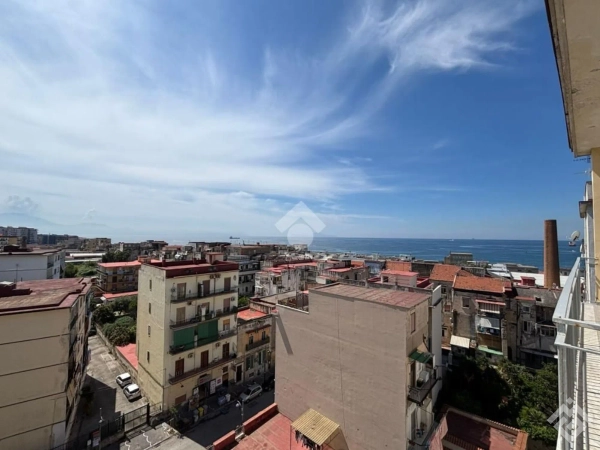 Apartment in i Traversa Bernardino Martirano, 5€174,250
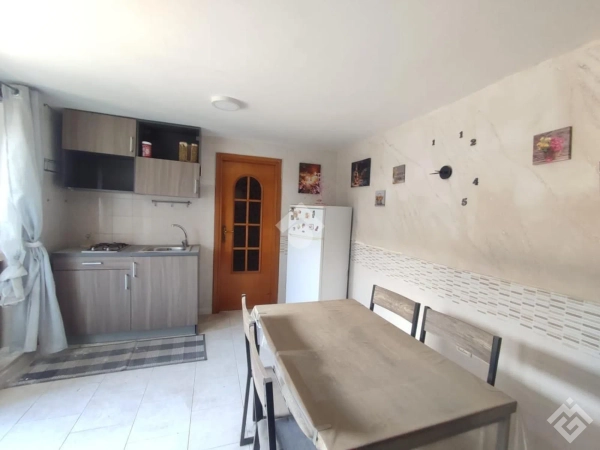 Apartment on Via Vincenzo Cilento, 55€56,375
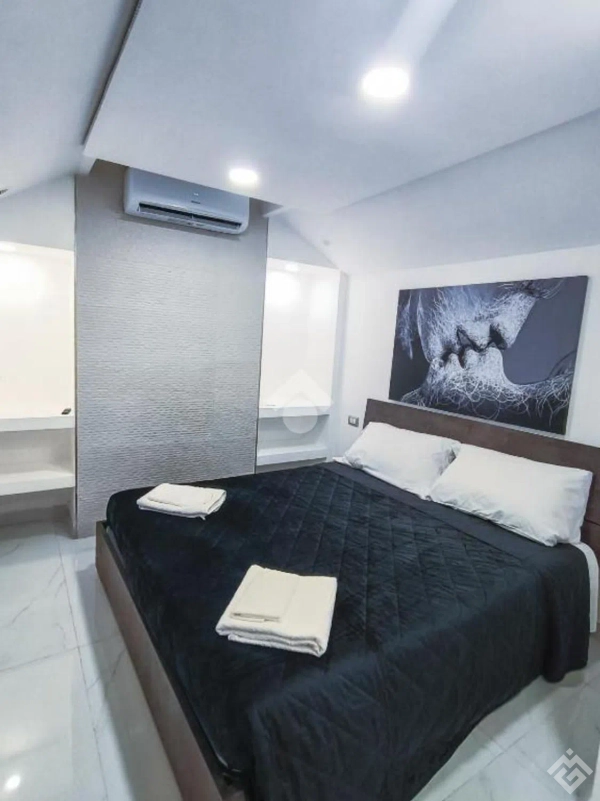 Apartment in Vico Cariati, 48€133,250
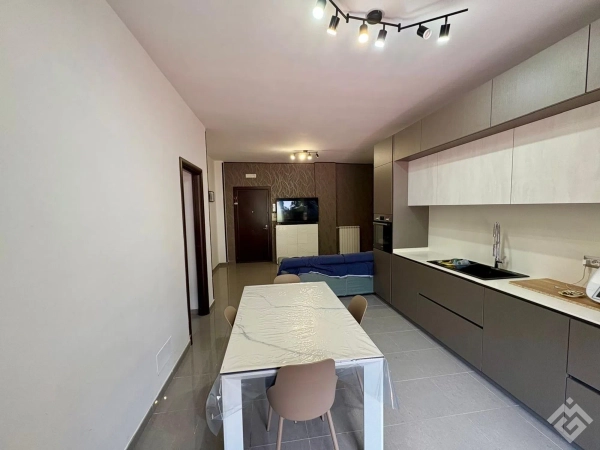 Apartment on Comunale Napoli Street, 126€194,750