

Property Taxes for Foreign Buyers in Italy 2026: Full Guide
You'll learn how Italy taxes foreign property buyers in 2026, from purchase taxes and IMU to first-home relief and common mistakes.
Italy is one of Europe's most welcoming markets for foreign buyers, but its property tax system has layers that surprise newcomers. Whether you buy a Tuscan farmhouse or a Milan apartment, you'll face purchase taxes at signing plus annual ownership taxes afterwards. This guide explains the main charges for 2026 in plain English. Tax rules change yearly, so treat every figure here as approximate and confirm your case with a licensed Italian notary and tax advisor (commercialista).
Who Can Buy and What Restricts Foreigners
Italy places few restrictions on foreign property buyers. EU and EEA nationals enjoy the same rights as Italians. Citizens of many non-EU countries, including the UK, US, Canada and Australia, can buy under the 'condition of reciprocity' rule, meaning Italy allows it if their home country permits Italians to buy there. In practice most major nationalities qualify, but your notary will verify this before completion. There is no foreign-buyer surcharge and no minimum purchase price. You'll need an Italian tax code (codice fiscale), which is free and obtained from the Agenzia delle Entrate or an Italian consulate. Buying property does not by itself grant residency or a visa. Confirm your nationality's eligibility early with the notary, since reciprocity status can occasionally change.
The Step-by-Step Buying Process
The process is notary-led and well-structured. First you make a written offer (proposta d'acquisto), often with a small holding deposit. Once accepted, both sides sign a preliminary contract (compromesso), and the buyer pays a deposit, typically around 10 to 30 percent. This contract is usually registered, which itself triggers a small tax. A public notary (notaio), a neutral state official, then conducts title and lien checks before drafting the final deed (rogito). At completion the balance is paid, taxes are settled through the notary, and ownership transfers and is registered in the land registry. Foreign buyers who cannot attend in person can grant a power of attorney. Always hire an independent lawyer if anything is unclear, since the notary represents the transaction, not you personally.
Purchase Costs and Taxes Explained
The biggest purchase tax is registration tax (imposta di registro). For resale homes bought from a private seller, it is typically around 9 percent of the property's cadastral value as a second home, or roughly 2 percent under first-home relief (see next section). When buying a new build from a developer, VAT (IVA) usually applies instead, commonly about 10 percent (or 4 percent with first-home relief), plus small fixed mortgage and cadastral taxes. Budget separately for notary fees (often 1 to 2.5 percent), agency commission (typically 2 to 4 percent plus VAT) and legal and translation costs. These rates are indicative for 2026 and depend heavily on property type and cadastral value, so request a written cost estimate from your notary before signing.
First-Home Relief, IMU and Annual Taxes
Italy's first-home benefit (prima casa) sharply cuts purchase tax, around 2 percent registration tax or 4 percent VAT, but it requires becoming resident in the property's municipality within roughly 18 months and not owning another first-home-relieved property in Italy. Many non-resident foreigners therefore cannot claim it. On ownership, the main annual tax is IMU (municipal property tax), generally not charged on a genuine main residence but payable on second homes and most foreign-owned holiday properties; rates vary by municipality. There is also a small refuse and services charge (TARI). Mortgage relief and exact IMU rates differ locally, so verify thresholds, residency deadlines and current municipal rates with your commercialista before relying on any relief.
Mortgages, Visas and Common Pitfalls
Italian banks do lend to non-residents, though loan-to-value is usually capped near 50 to 60 percent, with higher rates and substantial documentation. Mortgages also carry a small mortgage tax. Buying property gives no automatic residency, but separate routes exist, such as the elective residence visa for those with stable passive income, or the investor visa for larger qualifying investments. Common pitfalls include underestimating annual IMU and maintenance, assuming first-home relief applies when it does not, skipping an independent survey on old rural homes, and forgetting that rental income is taxable in Italy. Italy taxes worldwide income for residents, so check your residency status and any double-taxation treaty. Always confirm current visa thresholds and tax rules with licensed Italian professionals.
FAQ
Can foreigners freely buy property in Italy in 2026?
Mostly yes. EU and EEA citizens have full rights, and most non-EU nationals, including UK, US and Canadian buyers, can purchase under the reciprocity rule. There is no foreign-buyer surcharge or minimum price. You need an Italian tax code, and your notary confirms your nationality's eligibility before completion.
What is IMU and will I pay it as a foreign owner?
IMU is Italy's annual municipal property tax. It generally does not apply to a true main residence but is charged on second homes and most foreign-owned holiday properties. Rates are set locally by each municipality, so the amount varies. Confirm your property's current IMU rate with a local commercialista each year.
Can I get Italy's first-home (prima casa) tax relief?
Only if you become resident in the property's municipality within roughly 18 months and do not own another relieved first home in Italy. This cuts registration tax to around 2 percent or VAT to about 4 percent. Many non-resident foreign buyers cannot meet the residency condition, so verify eligibility before signing.
How much are total purchase costs above the price?
Expect roughly 9 to 15 percent on top of the price for a second home, combining registration tax or VAT, notary fees, agency commission and legal costs. First-home relief lowers this significantly. Figures are approximate for 2026 and vary by property type and cadastral value, so request a written estimate from your notary.
Does buying property in Italy give me residency or a visa?
No. Property ownership alone grants no residency or visa. Separate routes exist, such as the elective residence visa for those with sufficient stable passive income, or an investor visa for larger qualifying investments. Requirements and thresholds change, so confirm current rules with an Italian immigration lawyer before relying on them.
Find your Italian property with confidence
Browse verified listings across Italy and connect with vetted local brokers who understand foreign-buyer taxes and paperwork from offer to final deed.
See all listings in ItalyOwn a property? For owners ↗
Property for sale in Italy
Live listings from the GREM catalogue — prices and areas as of today.
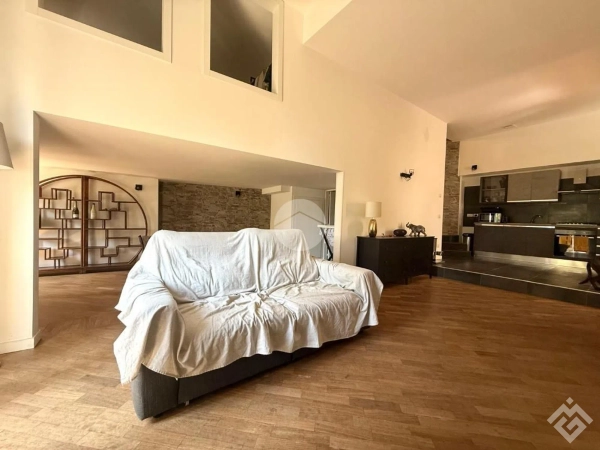 Apartment on Nicola Ricciardi Street, 5€404,875
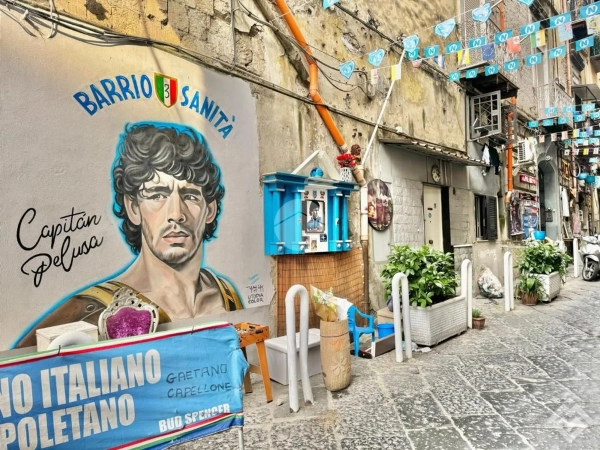 Apartment in Vico Lammatari, 46€91,225
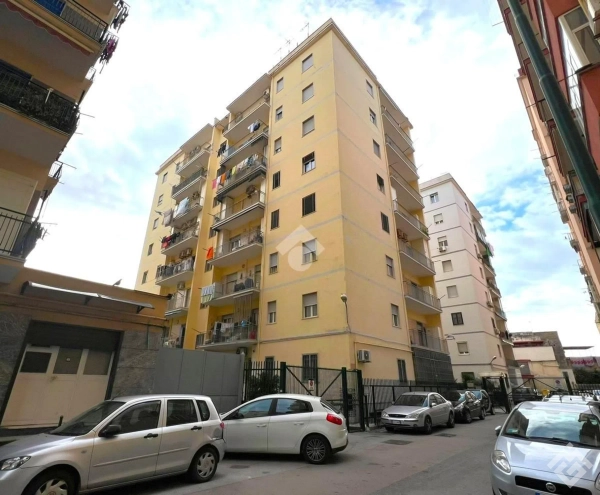 Apartment in i Traversa Bernardino Martirano, 5€174,250
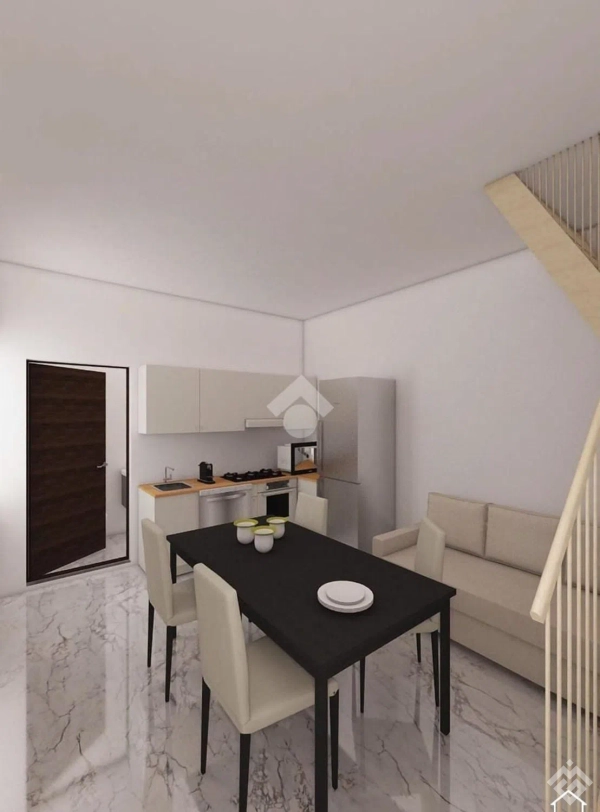 Apartment on Via Vincenzo Cilento, 55€56,375
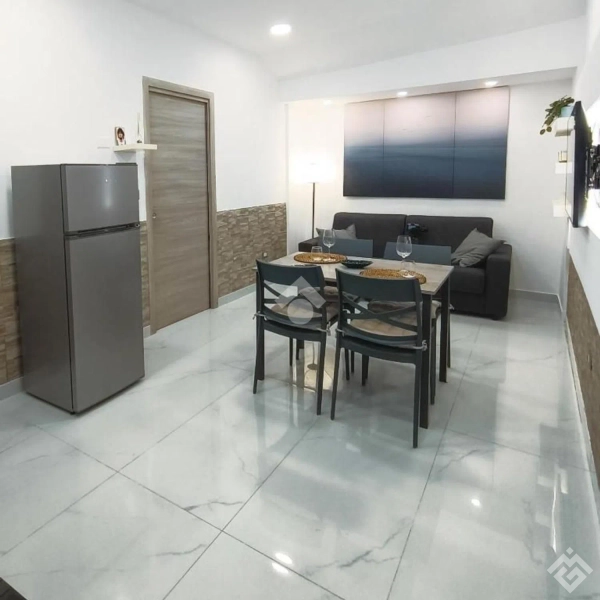 Apartment in Vico Cariati, 48€133,250
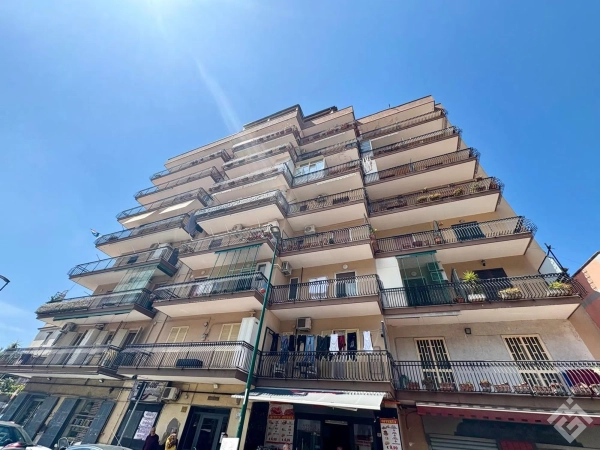 Apartment on Comunale Napoli Street, 126€194,750