

How to Buy Property in Thailand as a Foreigner (2026 Guide)
Learn exactly how foreigners can own a condo, structure leasehold deals, budget for costs and taxes, and avoid the most common legal traps in Thailand.
Thailand remains one of Asia's most popular markets for foreign property buyers, but its ownership rules are strict and frequently misunderstood. Foreigners can freely own condominium units freehold, yet cannot directly own land, which makes leasehold and corporate structures central to most house and villa purchases. This guide walks through who can buy what, the end-to-end process, realistic costs and taxes, financing options, visa implications, and the pitfalls that catch unprepared buyers in 2026.
What Foreigners Can and Cannot Own
Thai law lets foreigners own condominium units outright (freehold), but only up to 49% of the total floor area in any given building, the so-called foreign quota. Land ownership is prohibited for individuals, so houses and villas are usually held through a long-term lease (commonly 30 years, often with renewal clauses) or via a Thai limited company in which the foreigner holds a minority shareholding. Nominee structures, where Thais hold shares purely on a foreigner's behalf, are illegal and increasingly scrutinised. Because the line between legitimate and prohibited arrangements is fine, confirm any land-holding structure with an independent licensed Thai lawyer before committing funds.
The Step-by-Step Buying Process
Start by choosing the right ownership route (freehold condo vs leasehold or company-held land) based on the property type. Engage an independent lawyer, not the seller's, to run due diligence on the title deed (Chanote is the strongest), check for encumbrances, and verify the developer's track record for off-plan units. Sign a reservation agreement with a deposit, then a sale and purchase contract. For condos, you must transfer the purchase funds from abroad in foreign currency and obtain a Foreign Exchange Transaction (FET) form from your Thai bank, which is required at registration. The deal completes at the local Land Office, where ownership or lease is formally registered.
Costs, Taxes and Fees to Budget
Beyond the price, expect transfer-related charges typically totalling around 3 to 6 percent, usually split or negotiated between buyer and seller. Key items include a transfer fee of roughly 2 percent of the appraised value, stamp duty of about 0.5 percent (or specific business tax of around 3.3 percent if the seller has held the property under five years), and withholding tax. Add legal fees, and for condos a sinking fund and monthly common-area maintenance charges. Annual land and building tax applies at modest rates. These figures are approximate and shift with policy, so ask your lawyer or a Thai tax advisor for the exact current rates before budgeting.
Financing and Mortgage Options
Most foreign buyers in Thailand pay cash, because local banks rarely lend to non-residents and the foreign-funds rule for condos complicates borrowing. A few Thai banks (and some offshore branches in Singapore or Hong Kong) offer limited mortgages to foreigners, typically with shorter terms, lower loan-to-value ratios around 50 to 70 percent, and higher rates than residents receive. Developers occasionally provide in-house instalment plans for off-plan condos, which can ease cash flow but warrant careful contract review. Many buyers instead release equity or arrange financing in their home country. Compare total costs carefully and confirm any lender's current terms directly, as offers change frequently.
Visas, Residency and Common Pitfalls
Buying property in Thailand does not by itself grant residency or a visa, an important distinction from some other countries. Owners typically still need a separate visa such as a retirement, long-stay, or the multi-year Long-Term Resident (LTR) visa, each with its own income or investment requirements. The biggest pitfalls are illegal nominee company structures, unverified or weak title deeds, buying off-plan from unproven developers, and skipping the FET form, which can block resale or repatriation of funds. Always use an independent lawyer, confirm the foreign quota has space, and verify current visa thresholds with official Thai sources before relying on them.
FAQ
Can foreigners own property outright in Thailand?
Foreigners can own condominium units freehold, but only within the 49 percent foreign quota of a building's floor area. They cannot directly own land, so houses and villas are usually held via long-term lease or a Thai company. Confirm any structure with an independent Thai lawyer before buying.
What is the difference between freehold and leasehold in Thailand?
Freehold means you own the unit outright and indefinitely, available to foreigners only for qualifying condos. Leasehold grants the right to use land or property for a fixed term, commonly 30 years with possible renewals. Leasehold is the standard route for foreigners wanting houses, since direct land ownership is prohibited.
Do I need to bring money from abroad to buy a condo?
Yes. To register freehold ownership of a condo, foreign buyers must transfer the full purchase amount into Thailand in foreign currency and obtain a Foreign Exchange Transaction (FET) form from the receiving Thai bank. This document is required at the Land Office and protects your ability to repatriate funds when you sell.
Does buying property in Thailand give me residency?
No. Property ownership alone does not grant residency or a visa in Thailand. Owners still need a separate visa, such as retirement, long-stay, or the Long-Term Resident (LTR) visa, each with its own qualifying criteria. Check current requirements with official Thai immigration sources, as thresholds change.
How much does it cost to buy property in Thailand?
Besides the price, budget roughly 3 to 6 percent in transfer-related costs, including a transfer fee, stamp duty or specific business tax, and withholding tax, plus legal fees and condo maintenance charges. Exact rates depend on the property, holding period and current policy, so confirm figures with a Thai tax advisor before purchase.
Find Your Thai Property on GREM Capital
Explore verified condos, villas and leasehold opportunities across Thailand, and connect with trusted local agents and lawyers who understand foreign-buyer rules.
Browse ListingsOwn a property? For owners ↗
Property for sale in Thailand
Live listings from the GREM catalogue — prices and areas as of today.
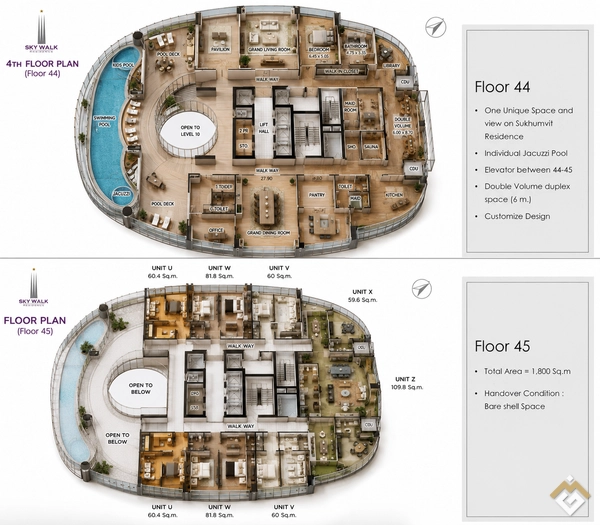 Mansion on the Sky$15,000,000
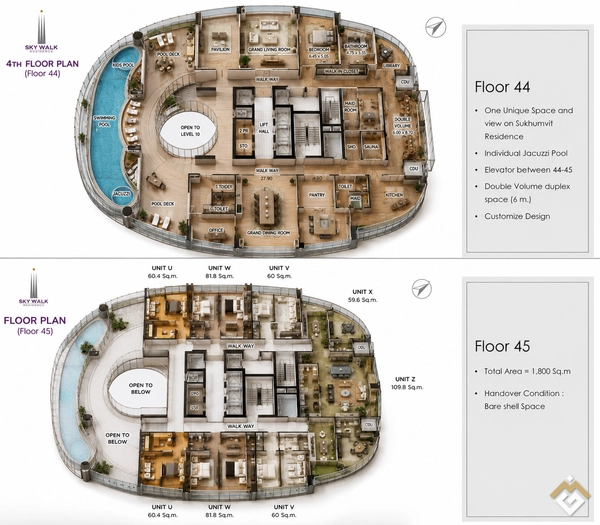 Mansion on the Sky$15,000,000
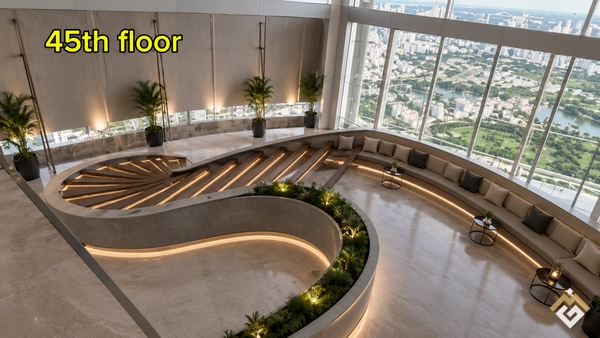 The Sky Walk Residence$15,000,000
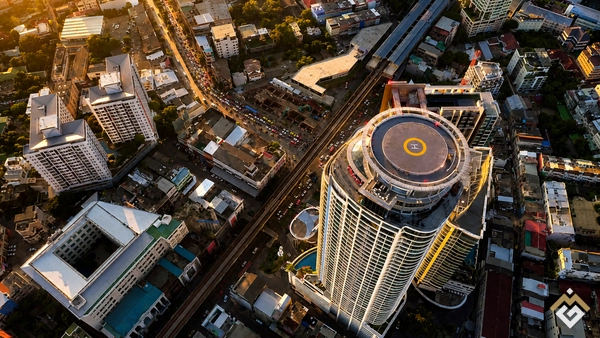 Penthouse at Sky Walk Residence in Bangkok, with access to rooftop helicopter pad$15,000,000
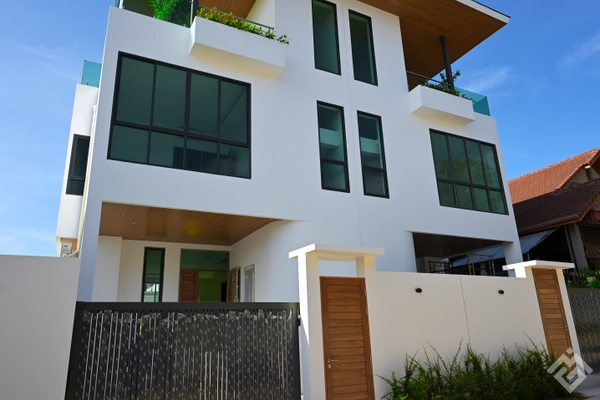 Villa Laelia€570,000
 Land for sale with a view of Surin/Kamala bay€2,666,666