

Cost of Living in Bangkok for Expats 2026: Full Budget Guide
You will learn what a realistic monthly budget in Bangkok looks like across housing, food, transport, healthcare and visas, plus what foreigners can and cannot buy.
Bangkok remains one of Asia's best-value capitals for expats in 2026, offering modern condos, world-class food and reliable healthcare at a fraction of Western prices. Costs vary widely by neighbourhood and lifestyle, from frugal local living to international-school families. This guide breaks down realistic 2026 budgets in Thai baht and US dollars and explains the property rules foreigners should know before settling in. Figures are approximate and shift with exchange rates and inflation, so always verify current numbers locally.
What a realistic monthly budget looks like in 2026
A single expat living comfortably in central Bangkok typically spends roughly USD 1,200-2,200 (about THB 42,000-78,000) per month in 2026, while couples and families with international schooling can easily exceed USD 4,000-6,000. A frugal solo lifestyle in outer districts is achievable from around USD 800-1,000. The biggest swing factors are rent, schooling and whether you eat local or Western. Exchange-rate movements between the baht and your home currency materially change these numbers, so treat all figures as approximate ranges and track the rate. Many expats find Bangkok 50-65% cheaper than major US, UK or Australian cities for an equivalent quality of life, though imported goods and international services narrow that gap.
Housing: rent and what foreigners can buy
Renting is how most newcomers start. A modern one-bedroom condo near a BTS Skytrain station ranges from roughly THB 18,000-40,000 (USD 500-1,100) monthly in 2026; luxury units in Sukhumvit or Sathorn run higher, while older or suburban flats cost far less. On buying: foreigners cannot own land in Thailand but can legally own condominium units outright, provided foreign ownership stays under 49% of a building's total floor area. Long leaseholds (typically up to 30 years, sometimes renewable) are common for landed homes. Avoid nominee company structures to hold land, which are illegal and risky. Always use an independent, licensed Thai property lawyer to verify title, quota and contracts before paying any deposit.
Daily costs: food, transport, utilities and leisure
Food is a major saving: a tasty street or food-court meal costs roughly THB 50-90 (USD 1.50-2.50), while mid-range restaurant dinners run THB 300-700. Cooking with imported groceries costs noticeably more. Transport is cheap and efficient: BTS/MRT fares are typically THB 17-65 per trip, and ride-hailing apps are affordable. Utilities for a condo (electricity with air-con, water, internet) usually total THB 2,500-5,000 monthly, with hot-season air-conditioning the main variable. A local SIM with generous data is inexpensive. Gym memberships, co-working desks and nightlife vary enormously by venue. Budget extra for the heat-driven electricity spikes between March and May.
Healthcare, insurance and taxes
Bangkok's private hospitals are excellent and far cheaper than Western equivalents, but expats should carry comprehensive international or local health insurance, which can cost roughly USD 1,000-3,500+ per year depending on age and coverage. Routine GP visits and dental care are affordable out of pocket. On taxes, Thailand has moved to tax foreign-sourced income remitted into the country for tax residents (those present 180+ days per year), with personal income tax rates that are progressive up to around 35%. Property purchases incur transfer fees, stamp duty or specific business tax and withholding tax, often totalling several percent of value. Rules here change frequently, so confirm your exact tax position with a licensed Thai tax advisor.
Visas, residency and common pitfalls
Your visa shapes your real cost of living. Popular 2026 routes include the Long-Term Resident (LTR) visa, the Destination Thailand Visa (DTV) for remote workers, retirement (Non-Immigrant O/O-A) visas with financial requirements, and education or marriage visas. Each has income, savings or deposit thresholds and 90-day reporting obligations; verify current figures with Thai immigration or a licensed agent, as thresholds shift. Common pitfalls: assuming a tourist visa is a long-term solution, signing Thai-only contracts you cannot read, paying deposits before title and ownership-quota checks, underestimating hot-season electricity bills, and ignoring tax-residency triggers. Build a buffer for visa renewals, agent fees and the occasional unexpected medical or legal cost.
FAQ
How much money do I need to live comfortably in Bangkok in 2026?
A single expat usually needs roughly USD 1,200-2,200 (THB 42,000-78,000) per month for a comfortable central lifestyle in 2026, while families with international schooling often spend USD 4,000-6,000+. Frugal solo living in outer districts can start near USD 800-1,000. Exchange rates and rent choices drive most of the variation.
Can foreigners buy property in Bangkok?
Yes, but with limits. Foreigners can own condominium units outright as long as foreign ownership stays under 49% of the building's floor area. They cannot own land directly; landed homes are typically secured via long leaseholds. Nominee company structures to hold land are illegal. Always use an independent licensed Thai lawyer to verify title and quota.
Is healthcare in Bangkok affordable for expats?
Bangkok's private hospitals are high quality and far cheaper than Western equivalents, with affordable routine and dental care. However, serious treatment adds up, so comprehensive health insurance is strongly recommended, costing roughly USD 1,000-3,500+ yearly depending on age and coverage. Confirm exact premiums and inclusions with insurers directly before committing.
Do expats pay tax in Thailand?
If you spend 180+ days a year in Thailand you are a tax resident. Thailand now taxes foreign income remitted into the country, with progressive personal rates up to around 35%. Property purchases also carry transfer and withholding taxes. These rules change often, so confirm your specific situation with a licensed Thai tax advisor rather than relying on general figures.
Which visa is best for living in Bangkok long term?
It depends on your situation. The LTR visa suits high earners and professionals, the DTV targets remote workers, and retirement visas suit over-50s meeting financial thresholds. Marriage and education visas serve other cases. Each has income or deposit requirements and 90-day reporting. Verify current thresholds with Thai immigration or a licensed visa agent before applying.
Find your home base in Bangkok
Browse verified condos and connect with vetted local agents and lawyers on GREM Capital to make your move to Bangkok smooth, transparent and stress-free.
Explore Bangkok homesOwn a property? For owners ↗
Property for sale in Thailand
Live listings from the GREM catalogue — prices and areas as of today.
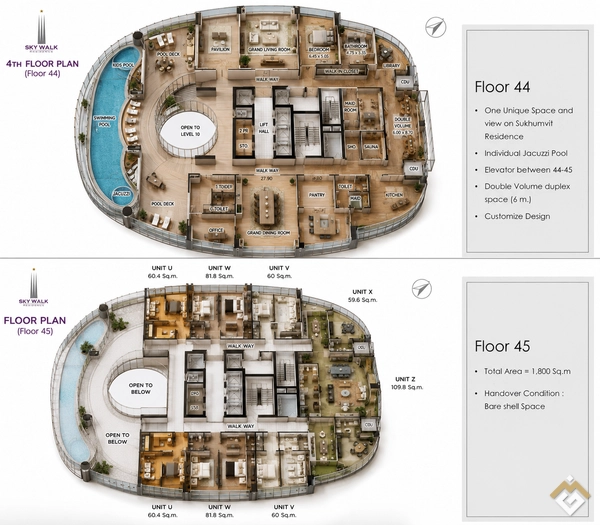 Mansion on the Sky$15,000,000
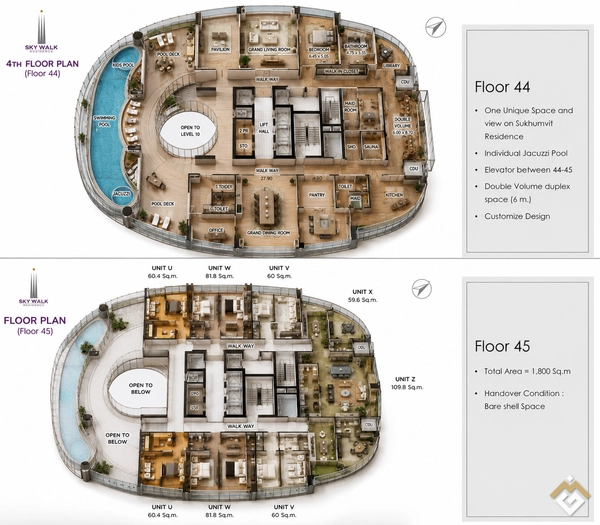 Mansion on the Sky$15,000,000
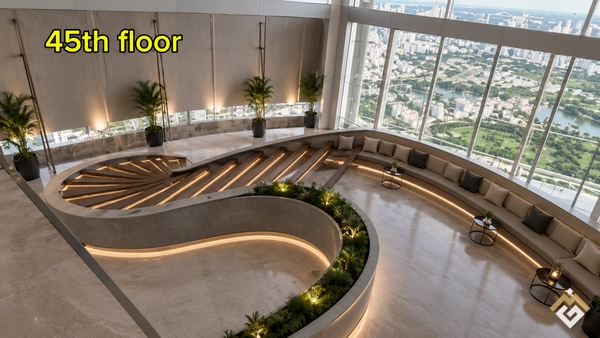 The Sky Walk Residence$15,000,000
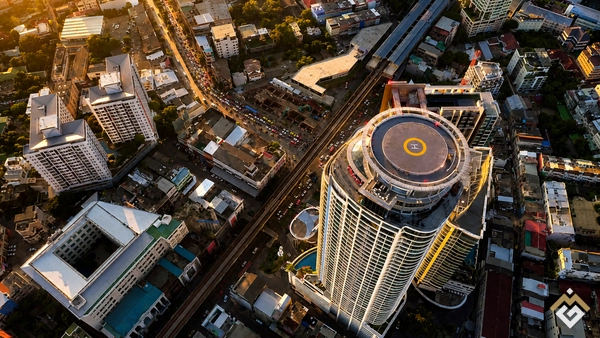 Penthouse at Sky Walk Residence in Bangkok, with access to rooftop helicopter pad$15,000,000
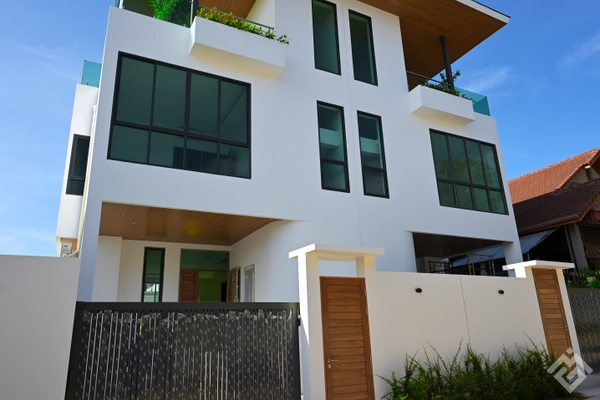 Villa Laelia€570,000
 Land for sale with a view of Surin/Kamala bay€2,666,666