

How to Buy Property in the Philippines as a Foreigner (2026)
You'll learn exactly what foreigners can and cannot own in the Philippines, the step-by-step buying process, and the real costs, taxes and traps to avoid.
The Philippines welcomes foreign property buyers, but with a firm line in the sand: foreigners can own condominium units, yet not the land beneath them. The 1987 Constitution reserves land for Filipino citizens and majority-Filipino companies, while the Condominium Act lets foreigners hold units as long as foreign ownership in a building stays at or below 40%. This guide walks through what you can buy, how the process works in 2026, and where buyers most often get caught out.
What Foreigners Can and Cannot Own
The core rule is simple: foreigners cannot own land in the Philippines, but they can own condominium units outright through a Condominium Certificate of Title. The catch is the 40% rule under the Condominium Act (RA 4726): total foreign ownership across an entire condo project cannot exceed 40%, so individual buildings sometimes hit their foreign cap and close to non-Filipinos. Foreigners also cannot buy townhouses or house-and-lot packages in their own name, since these include land. Common workarounds include long-term land leases (commonly up to 50 years, renewable) or buying through a Filipino spouse, though the latter carries real legal risk. Always verify a building's remaining foreign allocation before committing.
The Step-by-Step Buying Process
Start by confirming the unit qualifies under the 40% foreign cap with the developer or condo corporation. Engage an independent lawyer early; do not rely solely on the developer's or agent's lawyer. Once you've chosen a unit, you'll sign a Reservation Agreement and pay a reservation fee, followed by a Contract to Sell. Conduct due diligence: check the title at the Registry of Deeds, confirm there are no liens, and verify the developer's licence to sell with the DHSUD. On full payment you sign the Deed of Absolute Sale, pay transfer taxes, and the title is transferred and registered in your name. For pre-selling units, expect a staged payment schedule over the construction period.
Costs and Taxes to Budget For
Beyond the purchase price, budget roughly 8-10% in closing costs, though figures vary by transaction and should be confirmed locally. For resale units, capital gains tax (typically around 6% of the higher of selling price or zonal value) is usually the seller's cost but is often negotiated. Buyers normally pay documentary stamp tax (around 1.5%), transfer tax (a fraction of a percent, set locally), and registration fees. Annual real property tax (RPT) is modest, generally a small percentage of assessed value. If you rent the unit out, rental income is taxable in the Philippines. Tax rates and brackets change, so confirm current figures with a licensed Philippine tax advisor before you sign.
Financing and Mortgage Options
Financing as a foreigner is possible but limited. Some Philippine banks lend to foreigners, especially those with local employment, a resident visa, or a Filipino spouse, but terms are stricter and loan-to-value ratios are usually lower than for citizens. Many developers offer in-house financing for pre-selling projects, which is easier to access but typically carries higher effective interest rates than a bank loan. Interest rates and approval criteria shift with market conditions, so compare bank and developer terms carefully. In practice, a large share of foreign buyers pay cash or arrange financing in their home country. Get pre-qualified before committing, and confirm current rates and eligibility directly with the lender.
Visas, Residency and Common Pitfalls
Buying a condo does not grant residency or a visa in the Philippines; ownership and immigration status are separate. Foreigners stay on tourist visas, work visas, or retirement options such as the SRRV (Special Resident Retiree's Visa), which has its own deposit and age requirements administered by the PRA. The biggest pitfalls: buying into a building already at its 40% foreign cap, putting land in a spouse's name without legal safeguards, skipping independent legal due diligence, and trusting unregistered agents. Verify the developer's DHSUD licence, confirm the title is clean, and never hand over large sums before a lawyer reviews the contracts. Rules evolve, so confirm specifics with a licensed local advisor.
FAQ
Can a foreigner own a condo in the Philippines?
Yes. Foreigners can own condominium units outright and hold a Condominium Certificate of Title. The only restriction is the 40% rule: total foreign ownership in any single condo project cannot exceed 40%, so some buildings reach their cap and stop selling to non-Filipinos. Always confirm the building's remaining foreign allocation before buying.
What is the 40% condo ownership rule?
Under the Condominium Act, foreigners collectively may own no more than 40% of the units in a condominium project; at least 60% must remain Filipino-owned. This applies project-wide, not per buyer. If a building has already sold 40% to foreigners, you cannot buy there until a Filipino-owned unit is resold to a foreigner.
Can foreigners buy land in the Philippines?
No. The Constitution reserves land ownership for Filipino citizens and majority-Filipino corporations. Foreigners cannot own land or house-and-lot packages in their own name. Alternatives include long-term land leases (commonly up to 50 years, renewable) or buying through a majority-Filipino company, but each has legal limits worth reviewing with a lawyer.
Does buying property give me residency?
No. Property ownership and immigration status are separate in the Philippines. Buying a condo does not grant a visa or residency. Foreigners typically stay on tourist or work visas, or pursue options like the SRRV retirement visa, which has its own deposit and eligibility rules administered by the PRA. Confirm current requirements with the relevant authority.
What taxes and costs apply when buying?
Expect roughly 8-10% in total closing costs, varying by deal. Buyers usually pay documentary stamp tax (around 1.5%), transfer tax, and registration fees, while capital gains tax (about 6%) is typically the seller's. Annual real property tax is modest. Rates change often, so confirm current figures with a licensed Philippine tax advisor before signing.
Find your Philippine condo with confidence
Browse foreign-eligible condominium listings across Manila, Cebu and beyond, and connect with vetted local agents who understand the 40% rule and the full buying process.
Explore listingsOwn a property? For owners ↗
Property for sale in Philippines
Live listings from the GREM catalogue — prices and areas as of today.
 BEACH FRONT CONDOTEL UNITS IN PALAWAN€125,177
 DIAMOND BEACH RESIDENCES€141,713
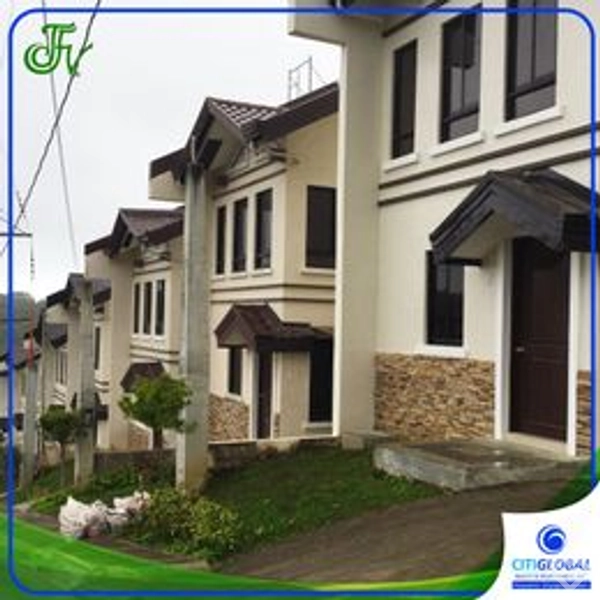 Tagaytay Fontain Villas€210,275
 Tagaytay Clifton Resort Suites€111,233
 Tagaytay Fontaine Villas€155,334
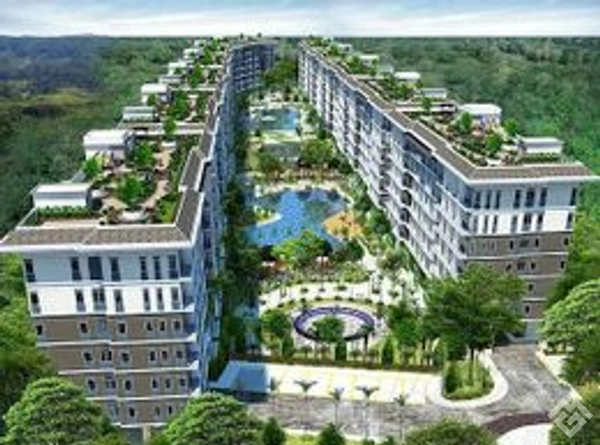 Tagaytay Clifton Resort Suites (Dual Purpose Property Investment)€87,375