

How to Sell a Property in Spain in 2026: Steps, Costs, Taxes
A practical guide to selling a residential property in Spain, from pricing and documents to notary steps, seller taxes, agent fees and non-resident issues.
If you are selling a residential property in Spain, you need to prepare the right documents, agree how the sale will be handled, and understand which costs fall to you. The notary formalises the deed, but tax settlement and registry registration are separate steps that follow the signing. You should also plan for agent commission, municipal capital gains tax, and any income tax or non-resident withholding that may apply.
Price the property
Price the property by starting with current local demand, your home’s condition and the fact that negotiation margins can be tight. A 2026 market report cited by idealista says the average negotiation margin for resale homes is at a historical low, and the average time to sell in that report is 77 days, but this figure is market-specific and should be treated as a general benchmark rather than a guaranteed sale timeline. In practice, that means you should be realistic and expect buyers to negotiate. If you are using an agent, agree the asking strategy with them and check recent comparable sales in your area with a local professional. You should also decide whether the sale will be marketed as a standard second-hand home sale, because that affects the tax route and the documents you will need later.
Get the documents ready
Get the documents ready before you market the home, because missing papers can slow the sale. The energy performance certificate must be available to buyers when the home is sold, and the energy label must appear in offers, promotions and advertising aimed at sale or rental. The notary will usually obtain a simple note from the Land Registry to verify ownership and any charges, but you should consider obtaining one yourself in advance because it shows ownership and burdens. The registrars’ official platform says a simple note currently costs 9.02 € plus VAT and is typically available in under two hours. The registrars’ official platform gives the simple note at an official price of 9.02 EUR plus VAT, with an average delivery time of under two hours. If you sell through a representative, the authorised copy of any power of attorney must be presented, not just a photocopy.
Choose who handles the sale
Choose who handles the sale based on how much help you want, because the notary, agent, lawyer and gestor each have different roles. The notary is impartial and can be chosen by either party, and in a residential sale the notary checks the parties and the deed. You do not have to use an agent or lawyer if you do not want to, although many sellers do use one for practical support. If you sell a habitual residence, ask the notary whether any additional consent is required under the applicable matrimonial or partnership regime, because Spanish formalities can vary by the ownership and family-law situation of the seller. Keep the working split clear: the notary formalises the deed, while later tax payment and registration are separate steps.
Sign the deed at the notary
Sign the deed at the notary once the parties, title and key details are in order. Before signing, the notary will usually obtain the simple note from the Land Registry to verify ownership and charges. The notary can also file the deed electronically to the Land Registry if requested, which can speed up registration and help avoid delays. A notarial source says the sale deed can be presented electronically to the Land Registry by the notary, which can reduce the time between signing and registration. If you give power of attorney, make sure the representative brings an authorised copy. This is the point where you should keep your own deed copy safely, because it is needed later for tax reporting.
Settle seller taxes
Settle seller taxes by separating municipal tax, income tax or non-resident tax, and any other closing costs that belong to you under the contract. For an urban property, you must pay the municipal capital gains tax, also called plusvalía municipal. If the contract is silent or says expenses are 'as per law', the seller generally pays the municipal capital gains tax, while the buyer generally pays the transfer tax on the purchase and registration-related costs, subject to any specific contractual allocation and applicable law. For a Spanish resident seller, the main taxes triggered by a home sale are personal income tax on any capital gain and the municipal capital gains tax; the sale should be reported in the income tax return for the year of sale even if the result is a loss or no tax is ultimately due. Keep a simple copy of the deed for that return, and if you think an exemption may apply, confirm the statutory conditions with a local professional.
Handle non-resident rules
Handle non-resident rules by checking whether the buyer must withhold part of the price and whether you must file a later return. For a non-resident seller of Spanish real estate without a permanent establishment, the buyer must withhold 3% of the agreed price and pay it as an advance payment of the seller’s Spanish tax liability, subject to the applicable non-resident tax rules. That withholding is only a prepayment, and you can later file the non-resident income tax return to settle the final amount due. For non-resident sellers, the capital gains tax rate is generally 19% for residents of another EU or EEA state with effective exchange of information. If you are non-resident, check the filing route and your personal tax position with a local professional, because the final result can depend on your circumstances.
Register the sale
Register the sale after the deed is signed and the relevant taxes are settled. The registrars say the relevant taxes must be settled before registration is processed, using the procedure required by the relevant autonomous community or competent tax office. Their guide describes the usual documents for registration as the notarial copy of the public deed, proof of the relevant tax filing or payment, and proof that the municipal capital gains filing has been made, but exact document requirements can vary by case and registry. The notarial association also describes the usual sequence as deed, tax settlement, registration. A standard residential sale can be registered electronically by the notary if requested, which should shorten the gap between signing and registration.
FAQ
How much commission does an estate agent charge in Spain when I sell?
Estate agent commission in Spain is usually agreed case by case and can vary widely depending on the property, city and contract; sellers should confirm the fee and who pays it in writing with the agent before listing.
What documents do I need to sell a house in Spain?
The key documents for registration usually include the notarial copy of the deed and proof that the relevant taxes have been filed or paid; the energy performance certificate must be made available to buyers when the property is sold.
Who pays the taxes when I sell a property in Spain?
The seller pays the municipal capital gains tax on an urban property, and a resident seller also pays personal income tax on the gain. If the seller is non-resident without a permanent establishment, the buyer withholds 3% of the price as an advance payment of the seller’s Spanish tax liability.
How long does it usually take to sell a home in Spain?
A 2026 idealista market report cited in the guide says the average time to sell is 77 days, but this should be treated as an indicative market average rather than a guaranteed timeline. Real timing depends on price, location and condition, so you should confirm your local market with a professional.
Do I need a notary, lawyer or agent to sell in Spain?
No, you do not have to use an agent or lawyer if you do not want to. The notary is impartial, can be chosen by either party, and their role is to formalise the deed while tax settlement and registration happen afterwards.
Find out what your property is worth
Get a free AI valuation in about a minute, then list your property once and reach buyers and brokers across the GREM network.
Get a free valuationOwn a property? For owners ↗
Property for sale in Spain
Live listings from the GREM catalogue — prices and areas as of today.
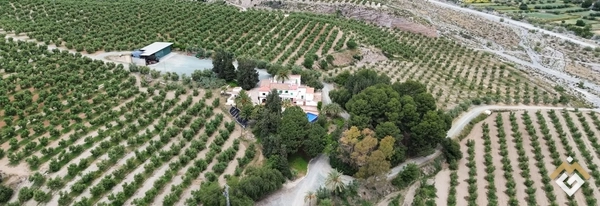 Certified Organic Olive Estate$2,850,000
 Exquisite Villa in Alcaidesa€4,500,000
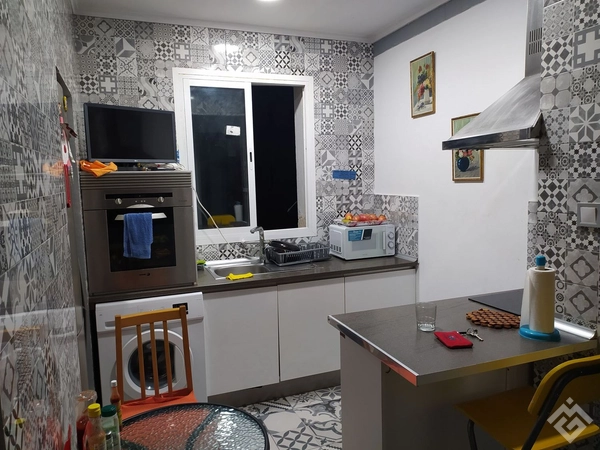 Apartment for sale in Francesc Tarrega, 3€174,250
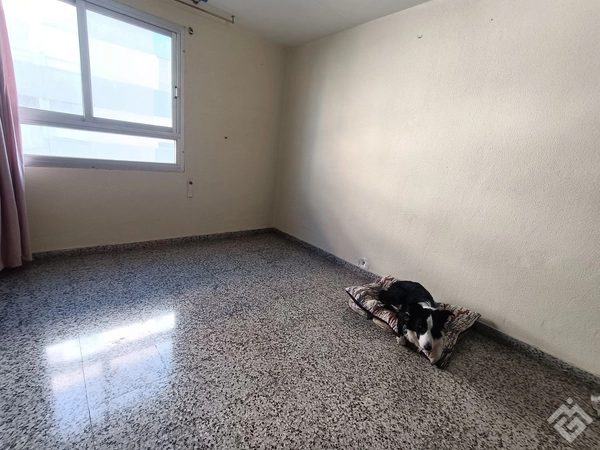 Apartment for sale on Avenida Sants de la Pedra, 3€123,000
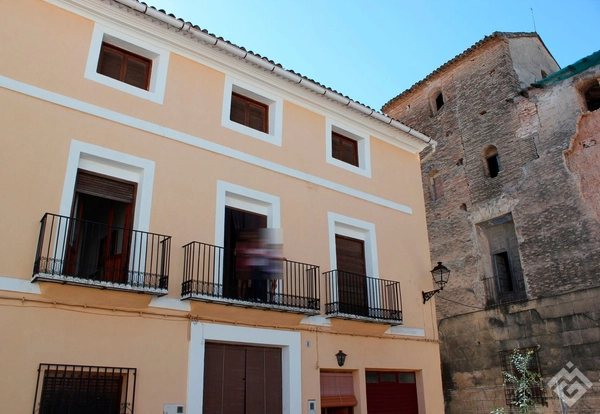 Duplex for sale in Plaza Major, 8€82,000
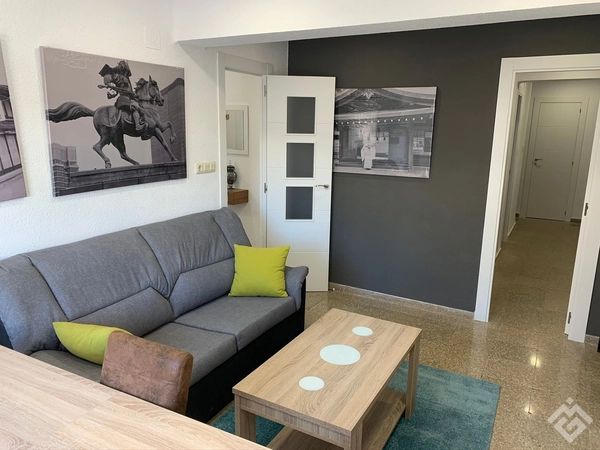 Apartment for sale on San Joaquín Street, 14€112,750