

Can Foreigners Get a Mortgage in Dubai in 2026? Full Guide
You'll learn exactly who qualifies, how much you can borrow, what rates and fees to expect, and how to finance Dubai property as a non-resident.
Yes, foreigners can get a mortgage in Dubai, including non-residents living abroad. UAE banks actively lend to expats and overseas buyers purchasing in designated freehold areas, though terms are stricter than for residents. This guide walks through eligibility, loan-to-value (LTV) caps, typical 2026 interest rates, total purchase costs and the financing process, so you can plan a realistic budget before you commit.
Who can buy and borrow as a foreigner
Foreign nationals can buy and own property outright in Dubai's designated freehold zones, such as Downtown, Dubai Marina, Business Bay, JVC and Palm Jumeirah. There are no nationality bans for these areas, and ownership confers no automatic residency on its own. Both UAE residents and non-residents living overseas can apply for a mortgage, but lenders treat them differently. Residents enjoy the widest choice of banks and the best rates; non-residents face a shorter list of lenders, lower borrowing limits and higher minimum deposits. Most banks set a minimum age of 21 and a maximum property value or salary threshold. Confirm which specific developments are freehold versus leasehold before signing, as this varies project by project.
LTV limits and how much you can borrow
Loan-to-value caps are set by the UAE Central Bank and depend on residency and property value. As a typical guide, expat residents can borrow up to roughly 80% LTV on a first property under a certain price band (often around AED 5 million), meaning a 20% deposit, with lower caps above that band and for second properties. Non-residents living abroad usually face stricter limits, commonly around 50-75% LTV, so a deposit of 25-50% is normal. Off-plan purchases often allow only about 50% financing. Banks also apply a debt burden ratio capping total monthly repayments at around half of your income. These figures are indicative for 2026; confirm exact LTV bands with the bank and a licensed mortgage adviser.
Interest rates, fees and total purchase costs
Dubai mortgage rates in 2026 typically range from roughly 4% to 6% per year, varying by lender, fixed-versus-variable structure and borrower profile; non-residents usually pay slightly more. Beyond the deposit, budget for one-off costs of around 6-8% of the price. These commonly include the Dubai Land Department transfer fee (about 4%), an agency commission (around 2%), a mortgage registration fee (roughly 0.25% of the loan), bank arrangement fees (around 1%) and a property valuation fee. The UAE has no annual property tax and no capital gains tax on residential sales, which keeps holding costs low. Always request a full written cost breakdown and verify current fees with the bank and a local lawyer.
Step-by-step mortgage and buying process
First, get a mortgage pre-approval, which confirms your borrowing limit and is usually valid for around 60 days. Gather documents: passport, visa or entry stamp, proof of income such as payslips and bank statements, and sometimes a credit report from your home country. Next, find a property and sign a Memorandum of Understanding (MOU, Form F), paying a deposit of about 10%. The bank then completes a formal valuation and issues the final offer letter. Both parties attend the Dubai Land Department, or use a registration trustee office, to transfer the title and register the mortgage. The full process often takes four to eight weeks. Engaging a licensed broker and conveyancer helps avoid delays and protects your deposit.
Residency, Golden Visa and common pitfalls
Buying property can support a UAE residence visa. A qualifying real estate investment, commonly cited at around AED 2 million, can route you toward a 10-year Golden Visa, while smaller investments may support shorter renewable visas; thresholds and rules change, so verify current criteria. Common pitfalls include underestimating upfront cash needs, assuming non-resident LTVs match resident ones, and overlooking life-insurance requirements tied to the loan. Watch for early-settlement penalties, currency-exchange risk if you earn abroad, and off-plan projects with weak completion guarantees. Use only RERA-registered agents and escrow-protected developer accounts. Because tax, visa and lending rules shift frequently, confirm every figure with a licensed UAE mortgage adviser, lawyer and tax professional before committing.
FAQ
Can non-residents living abroad get a Dubai mortgage?
Yes. Several UAE banks lend to non-residents buying in freehold areas, though fewer lenders qualify and terms are tighter. Expect lower LTV caps, often around 50-75%, larger deposits and slightly higher rates than residents pay. You'll need passport, proof of income and bank statements, and approval can take longer than for UAE residents.
How much deposit do I need as a foreign buyer?
Expat residents typically need about 20% down on a first home under a set price band, while non-residents usually need 25-50%, and off-plan purchases often require around 50%. Always add roughly 6-8% in transaction costs on top. Exact deposit requirements depend on the bank, property value and residency, so confirm with your lender.
What interest rates apply to Dubai mortgages in 2026?
Rates in 2026 generally fall between roughly 4% and 6% per year, depending on the lender, whether the rate is fixed or variable, and your profile. Non-residents often pay marginally more. Fixed-rate periods of one to five years are common before reverting to a variable rate. These ranges are indicative; request current quotes from multiple banks.
Does buying property in Dubai give me residency?
Not automatically, but it can support a visa. A real estate investment commonly cited around AED 2 million may qualify you for a 10-year Golden Visa, while smaller investments can support shorter renewable residence visas. The mortgage itself doesn't grant residency. Thresholds change, so confirm current Golden Visa criteria with the relevant UAE authority or a licensed adviser.
Are there property taxes on Dubai real estate?
The UAE charges no annual property tax and no capital gains tax on residential sales, which is a major draw. The main government cost is the Dubai Land Department transfer fee of roughly 4% of the price, paid at purchase. Service charges apply to maintain communal areas. Verify the latest fees and any rental-income rules with a local tax adviser.
Find your Dubai property with confidence
Browse verified freehold listings across the UAE and connect with licensed brokers who can guide you through mortgage pre-approval and the full purchase process.
See all listings in United Arab EmiratesOwn a property? For owners ↗
Property for sale in United Arab Emirates
Live listings from the GREM catalogue — prices and areas as of today.
 Orbis€240,000
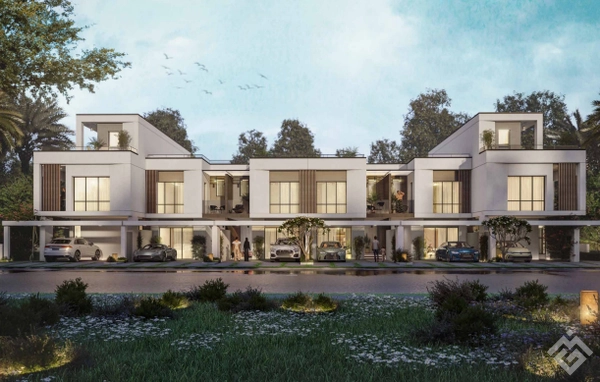 Riverside€499,000
 Palace Residences€445,000
 Al Hamra Waterfront project€257,000
 Villa Myra€231,405
 ELITE€436,000