

Cost of Living in Dubai for Expats 2026: Real Budgets
Learn exactly what you'll spend each month in Dubai across rent, bills, schooling, transport and lifestyle, with honest sample budgets for singles, couples and families.
Dubai sells itself on a tax-free salary, but the headline rarely matches the bank statement. Rent, school fees and an easy-to-blow lifestyle do most of the damage. This 2026 guide gives you concrete numbers, the costs newcomers forget, and three realistic monthly budgets so you can decide whether the package on the table actually works. Figures are approximate and move with the market, so treat them as planning ranges rather than quotes.
Rent: the single biggest line in your budget
Housing eats 35-45% of most expat budgets. In 2026, a one-bedroom in a mid-range community like JVC or Dubai Sports City typically runs roughly AED 65,000-95,000 a year, while the same in Dubai Marina or Downtown can be AED 110,000-160,000. A three-bedroom family villa in areas like Arabian Ranches or Damac Hills often sits around AED 180,000-300,000. Landlords still favour one to four cheques a year, so budget for a large upfront payment plus a 5% agency fee, a refundable 5% security deposit, and roughly 5% DEWA housing fee billed monthly. Paying in more cheques means a higher rent. Always confirm current asking rents on portals before signing, as prices shifted sharply over the past two years.
Utilities, internet and connectivity
Your DEWA bill (electricity and water) depends heavily on air-conditioning use. A one-bed apartment averages around AED 350-600 a month, while a villa with constant cooling in summer can hit AED 1,200-2,500. Cooling in some buildings is billed separately as district cooling (Empower/Tabreed), which can add AED 200-700 monthly and sometimes a capacity charge even when you're away. Home internet from du or Etihad/e& costs roughly AED 300-400 a month for a fast fibre package, often bundled with TV. A basic mobile plan is around AED 100-200. Set aside a contingency for summer months, when electricity easily doubles. These are typical ranges, not fixed tariffs, so check your specific building.
School fees: the budget-defining cost for families
If you have children, international school fees often outweigh rent. In 2026, annual tuition typically ranges from around AED 25,000-40,000 for budget-friendly schools to AED 60,000-100,000+ at premium British, American or IB schools for older year groups. Beyond tuition, expect one-off registration and assessment fees, a deposit, uniforms, books, transport (AED 5,000-10,000 a year) and trips. The KHDA regulates fees and publishes school ratings, which is worth reviewing before you commit. Popular schools have waiting lists, so apply early. Many employers no longer cover schooling, so confirm whether any education allowance is in your contract. For two children at a mid-tier school, AED 120,000-180,000 a year is a realistic planning figure.
Transport, groceries and everyday spending
Petrol stays relatively cheap by global standards, and a used mid-size car costs roughly AED 1,500-2,500 a month once you add insurance, Salik tolls, parking and servicing. The Metro and buses run on a Nol card and are cheap and reliable, while taxis and ride-hailing add up fast if used daily. Groceries for a couple typically run AED 1,500-2,500 a month, more if you favour imported Western brands; local produce and Carrefour or Lulu keep costs down. Eating out spans cheap (AED 25-40 a meal) to very expensive. Mandatory health insurance is usually employer-provided, but verify coverage for dependents, who you may need to insure yourself at AED 5,000-15,000+ per person annually.
Three realistic monthly budgets and the hidden costs
A frugal single can live on roughly AED 8,000-12,000 a month; a comfortable single nearer AED 15,000-20,000. A couple renting a decent one-bed and eating out occasionally often spends AED 18,000-28,000. A family of four with two kids in school, a villa and a car realistically needs AED 35,000-55,000+ once tuition is averaged monthly. The costs newcomers underestimate: the upfront rent cheque, agency and DEWA deposits, visa and Emirates ID processing, car down-payment, and lifestyle creep from brunches and travel. Dubai has no income tax, but 5% VAT applies to most purchases and a municipality fee sits on your rent. Build a three-month cash buffer before relocating.
FAQ
Is Dubai tax-free for expats in 2026?
There is no personal income tax on salaries, which is Dubai's main draw. However, 5% VAT applies to most goods and services, a municipality housing fee is added to your rent via DEWA, and there are various government fees. A federal corporate tax also applies to qualifying businesses. Confirm your personal situation with a licensed tax advisor.
How much salary do I need to live comfortably in Dubai?
A single person living comfortably typically needs around AED 15,000-20,000 a month, while a family of four with children in school often requires AED 35,000-55,000+ once rent and tuition are included. The right figure depends heavily on your housing choice, schooling and lifestyle, so map your own budget before accepting an offer.
Why is rent paid in cheques and why does it matter?
Landlords traditionally request the year's rent split into one to four post-dated cheques. Fewer cheques usually mean a lower total rent, but you need significant cash upfront. Newcomers often underestimate this, alongside the 5% agency fee and refundable security deposit, so arrive with several months of housing money available in your account.
Are international school fees really that expensive?
Yes. For families they are often the largest single expense, frequently exceeding rent. Annual tuition commonly ranges from roughly AED 25,000 at budget schools to over AED 100,000 at premium ones for senior years, plus registration, uniforms and transport. Check KHDA ratings and fees, apply early due to waiting lists, and confirm whether your employer offers an education allowance.
Should I buy property or rent in Dubai as an expat?
Many expats rent first to test areas and confirm they're staying long-term. Foreigners can buy freehold property in designated zones, which can also support residency via the UAE Golden Visa above certain investment thresholds. Buying involves transfer fees, agency fees and mortgage costs, so it usually suits those committed for several years. Confirm current rules with a licensed local advisor.
Find your place in Dubai
Explore verified apartments and villas across Dubai's freehold communities, compare neighbourhoods, and connect with trusted brokers who know the local market.
See all listings in United Arab EmiratesOwn a property? For owners ↗
Property for sale in United Arab Emirates
Live listings from the GREM catalogue — prices and areas as of today.
 Orbis€240,000
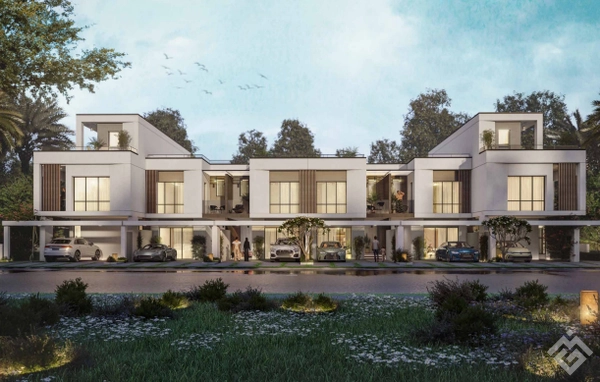 Riverside€499,000
 Palace Residences€445,000
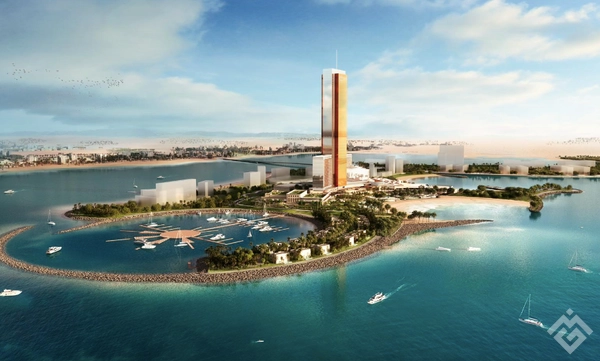 Al Hamra Waterfront project€257,000
 Villa Myra€231,405
 ELITE€436,000