

Property Taxes for Foreign Buyers in the UAE 2026 Guide
Learn exactly what foreign buyers pay when purchasing UAE property in 2026, from the DLD transfer fee to ongoing costs, and why there is no annual property tax.
The UAE is one of the few global property markets with no annual property tax, no capital gains tax, and no inheritance tax on real estate, which is a large part of its appeal to foreign buyers. The headline cost is the one-time Dubai Land Department (DLD) transfer fee, plus a handful of registration and agency charges. This guide explains who can buy, the typical fees and taxes in 2026, mortgage options, residency implications, and the pitfalls to avoid. Figures here are approximate and should be confirmed with a licensed UAE lawyer or tax advisor before you commit.
Who Can Buy and Where Foreigners Are Allowed
Foreign nationals can own UAE property outright, but only within designated freehold areas. In Dubai this includes popular zones such as Downtown, Dubai Marina, Palm Jumeirah, Business Bay and many newer master communities, where non-residents and residents alike can hold full freehold title. Outside these zones, foreigners are generally limited to leasehold (typically long-term, up to 99 years) or usufruct rights. Each emirate sets its own rules: Abu Dhabi, Ras Al Khaimah and Sharjah have their own freehold and investment zones with differing conditions. There is no requirement to be a UAE resident to buy, and no nationality-based ban for most buyers. Always verify that a specific tower or plot is genuinely freehold and foreigner-eligible before paying a deposit, as marketing materials can be misleading.
Step-by-Step: How the Purchase Works
The typical Dubai process starts with selecting a property and signing a reservation form with a deposit. Buyer and seller then sign a Memorandum of Understanding (commonly the standard Form F), and the buyer usually pays a 10% deposit. For mortgaged purchases, you obtain bank approval and, if a seller has an existing loan, a liability settlement is arranged. The parties apply for a No Objection Certificate (NOC) from the developer confirming there are no outstanding service charges. Finally, both parties attend the DLD or an authorised trustee office to transfer title, settle fees, and the buyer receives the new title deed. Off-plan purchases follow a separate path through the developer and DLD's Oqood pre-registration system. The end-to-end timeline for a ready property is often a few weeks; confirm current steps with your conveyancer.
Costs and Taxes: The DLD Fee and No Annual Tax
The defining feature of UAE property is that there is no recurring annual property tax, no capital gains tax on sale, and no inheritance tax on real estate. The main cost is the one-time DLD transfer fee, typically around 4% of the purchase price, in practice often split or paid by the buyer, plus a smaller fixed administration and title-deed fee. Expect additional charges: a registration trustee fee, an agency commission of roughly 2% plus 5% VAT on that commission, NOC fees to the developer, and mortgage registration of about 0.25% of the loan if financing. Ongoing, owners pay annual service or community charges set per square foot by the building. These percentages are approximate for 2026; confirm exact current rates with the DLD and a licensed advisor.
Financing: Mortgages for Residents and Non-Residents
Both residents and non-residents can obtain UAE mortgages, though terms differ. Residents with salary income can typically borrow up to around 80% loan-to-value on a first ready property, while non-residents usually face lower limits, often in the region of 50-75%, and a narrower list of lender banks. Off-plan purchases generally require larger down payments. Expect rate, age and minimum-income conditions, a property valuation, and a mortgage registration fee of roughly 0.25% of the loan at the DLD. Many developers also offer in-house payment plans for off-plan units, sometimes stretching beyond handover, which can reduce upfront cash needs but should be compared carefully against bank financing. Interest rates move with global benchmarks, so request live quotes from several banks or a mortgage broker before committing.
Residency, Visas, and Common Pitfalls
Property ownership can support UAE residency. Investing above certain thresholds can qualify you for a renewable property-investor visa, and larger qualifying investments may lead to a longer Golden Visa, with thresholds that are periodically revised, so verify the current minimums. Ownership itself does not grant citizenship. Common pitfalls include unpaid service charges inherited from a seller (the NOC protects against this), assuming a non-freehold property is foreigner-eligible, underestimating total transaction costs beyond the headline price, and trusting verbal rental-yield promises. Off-plan buyers should check the developer's track record and that funds go into a DLD-regulated escrow account. Currency transfer costs and home-country tax on UAE rental income or gains can also apply. Engage a licensed conveyancer and confirm every figure independently.
FAQ
Is there an annual property tax in the UAE?
No. The UAE does not levy a recurring annual property tax, nor capital gains or inheritance tax on real estate. Owners instead pay one-time purchase fees such as the DLD transfer fee, plus ongoing annual service or community charges set by the building. Confirm current rules with a licensed UAE advisor, as policy can change.
How much is the DLD transfer fee in 2026?
The Dubai Land Department transfer fee is typically around 4% of the purchase price, plus smaller fixed administration and title-deed charges. In practice it is often paid by the buyer or split by agreement. This figure is approximate; verify the exact current rate with the DLD or a licensed conveyancer before budgeting.
Can foreigners buy property anywhere in Dubai?
No. Foreigners can own freehold only in designated freehold areas, which cover many popular Dubai communities. Outside those zones, foreigners are generally limited to leasehold or usufruct rights. Each emirate sets its own rules, so always confirm a specific property is freehold and foreigner-eligible before paying any deposit.
Can buying property give me UAE residency?
It can. Investing above certain thresholds may qualify you for a renewable property-investor visa, and larger qualifying investments can lead to a longer Golden Visa. Ownership does not grant citizenship, and visa thresholds are revised periodically. Check the current minimums and conditions with an immigration lawyer before relying on them.
What total costs should I budget beyond the price?
Beyond the purchase price, budget roughly 4% DLD transfer fee, registration trustee and title-deed fees, about 2% agency commission plus 5% VAT on it, developer NOC fees, and around 0.25% mortgage registration if financing. Add ongoing annual service charges. These are approximate 2026 figures; confirm them with a licensed advisor.
Find Your UAE Property With Clear Costs
Browse verified UAE listings on GREM Capital and estimate your true purchase costs, from the DLD fee to monthly mortgage payments, before you commit.
See all listings in United Arab EmiratesOwn a property? For owners ↗
Property for sale in United Arab Emirates
Live listings from the GREM catalogue — prices and areas as of today.
 Orbis€240,000
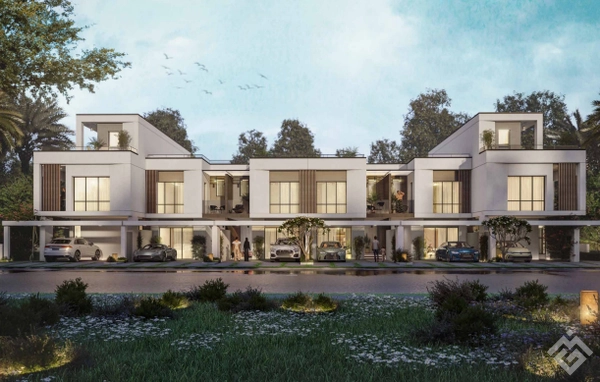 Riverside€499,000
 Palace Residences€445,000
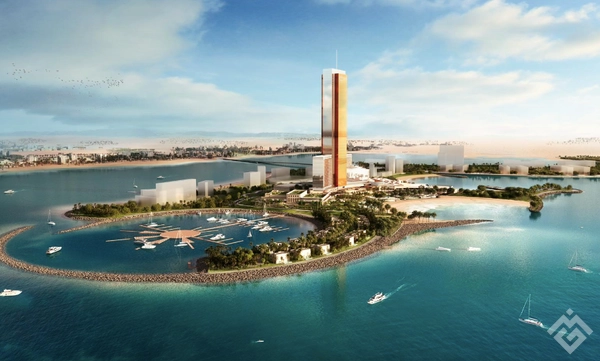 Al Hamra Waterfront project€257,000
 Villa Myra€231,405
 ELITE€436,000