

Cost of Living in Bali for Expats & Digital Nomads 2026
A practical, numbers-first breakdown of what it really costs to live and work in Bali in 2026, from budget to comfortable lifestyles.
Bali remains one of the world's most popular bases for digital nomads and expats, blending low costs, fast internet and a warm climate. But "cheap" depends heavily on where you live and how you spend. This guide breaks down realistic 2026 monthly budgets across housing, food, transport, visas and healthcare, plus the hidden costs newcomers underestimate. All figures are approximate ranges and shift with the rupiah exchange rate, so confirm current prices locally before committing.
Monthly Budget Overview: Who Spends What
Your total monthly cost in Bali depends almost entirely on lifestyle and location. A frugal solo nomad living in a basic kost (room rental) outside tourist hubs can manage on roughly USD 700-1,000 per month. A comfortable mid-range expat lifestyle in Canggu or Ubud, with a private villa, scooter, eating out often and a coworking membership, typically runs USD 1,300-2,500. Couples or families renting a multi-bedroom villa, using drivers and international schooling can exceed USD 3,500-6,000. These are 2026 ballpark ranges and swing with the IDR/USD rate and season; high-tourism months push rents and food prices noticeably higher, so build a buffer into any estimate.
Housing: Rent, Areas and Deposits
Housing is the biggest variable. A simple kost room runs around USD 150-350 monthly, while a one-bedroom villa with a pool in Canggu, Seminyak or Ubud typically costs USD 600-1,500, and larger luxury villas climb well beyond USD 2,500. Long-term leases are far cheaper than monthly Airbnb-style bookings, but landlords often expect 6-12 months paid upfront, which strains cash flow on arrival. Budget for a deposit, electricity (air-conditioning bills can be steep), water, fast internet and pool or garden maintenance, which are sometimes excluded. Quieter inland or northern areas like Tabanan or Lovina cost markedly less than the southern beach corridor. Always inspect in person and confirm what utilities are included before signing.
Food, Transport and Daily Living
Daily living is where Bali feels genuinely affordable. Eating at local warungs costs USD 1.50-3 per meal, while Western cafes and restaurants in Canggu or Seminyak charge USD 6-15. A monthly groceries budget runs roughly USD 150-350, higher if you buy imported goods. Most expats rent a scooter for around USD 60-90 a month plus cheap fuel, though an international and local licence is legally required and police checks happen. Ride-hailing apps are inexpensive for those who prefer not to drive. Coworking memberships range USD 80-200 monthly. SIM-based data is cheap, and home fibre internet typically costs USD 25-45, making remote work reliable in the main hubs.
Visas, Residency and Working Legally
Visa choice shapes both your budget and your legal standing. Many short-term visitors use a visa on arrival (extendable) or a 60-day visit visa, while longer stays often rely on a multi-month social or business visa. Indonesia has rolled out longer-stay options including a remote-worker pathway and second-home and investor routes such as the KITAS, typically requiring proof of income, savings or property value. Costs vary from a modest visa-on-arrival fee to several hundred or thousand dollars for longer permits plus agent fees. Crucially, most tourist visas do not permit local employment. Rules change frequently, so verify current requirements, thresholds and fees with Indonesian immigration or a licensed local visa agent before relying on any figure here.
Healthcare, Insurance and Hidden Costs
Healthcare is a cost many newcomers underestimate. Public facilities are basic, so most expats use private clinics or international hospitals in Denpasar and pay out of pocket or via insurance; a private consultation runs roughly USD 30-70, and serious treatment often means evacuation to Singapore. Comprehensive expat health and evacuation insurance typically costs USD 600-2,000 per year depending on age and coverage and is strongly recommended. Other hidden costs include scooter accidents and repairs, visa-run flights, currency-exchange losses, upfront rent lump sums, occasional power outages requiring backups, and tourist-priced services. Building a 15-20% contingency buffer into your monthly budget keeps these surprises manageable rather than destabilising.
FAQ
How much money do I need per month to live in Bali in 2026?
A budget solo nomad can manage on roughly USD 700-1,000 monthly, a comfortable mid-range lifestyle USD 1,300-2,500, and families with villas and schooling USD 3,500 or more. Figures are 2026 approximations that move with the rupiah exchange rate and your chosen area, so build in a buffer.
Is Bali cheaper than living in a Western city?
For most expats, yes, especially on rent, food and services. A comfortable Bali lifestyle often costs a fraction of a major European or US city. However, imported goods, international schools, private healthcare and quality insurance narrow the gap, so savings depend heavily on how locally you choose to live.
Can I legally work remotely from Bali?
Working remotely for a foreign employer is generally tolerated and Indonesia has introduced longer-stay remote-worker pathways, but most tourist visas do not permit local employment. Requirements, income thresholds and fees change often, so confirm the correct current visa with Indonesian immigration or a licensed local agent before you travel.
What are the biggest hidden costs in Bali?
Common surprises include landlords demanding 6-12 months rent upfront, expensive air-conditioning electricity bills, private healthcare and evacuation insurance, scooter accidents and repairs, visa-run flights, currency-exchange losses and tourist-priced services. Most newcomers should add a 15-20% contingency to their budget to absorb these costs comfortably.
How much does housing cost in Canggu or Ubud?
A one-bedroom villa with a pool typically runs USD 600-1,500 monthly on a long lease, with luxury villas climbing well beyond USD 2,500. Basic kost rooms start around USD 150-350. Monthly short-term bookings cost far more than annual leases, and many landlords expect several months paid in advance.
Thinking of Putting Down Roots in Bali?
Once you've lived the Bali lifestyle, many expats explore buying a long-lease villa or investment property. Browse verified listings in Indonesia and connect with vetted local agents who understand foreign-buyer rules.
See all listings in IndonesiaOwn a property? For owners ↗
Property for sale in Indonesia
Live listings from the GREM catalogue — prices and areas as of today.
 TAO Club House€63,426
 OM Club House€196,442
 Baruna Villa€284,800
 NEXA TOWNHOUSE OCEANVIEW€285,000
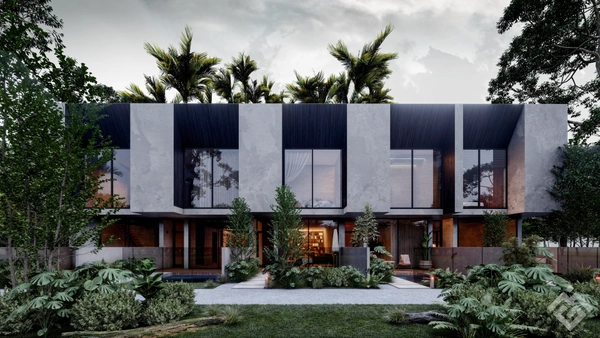 NEXA TOWNHOUSE ULUWATU€265,000
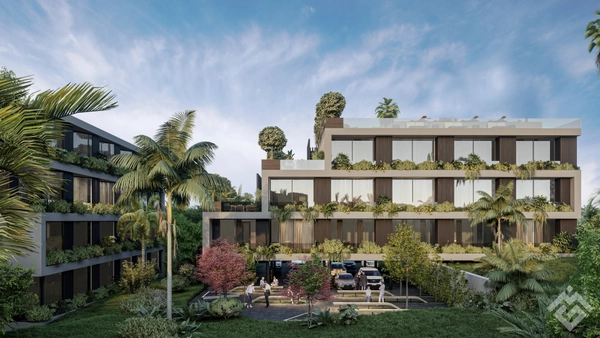 SKY GARDEN€110,000