

How to Buy Property in Turkey as a Foreigner (2026 Guide)
Learn exactly how foreigners buy property in Turkey in 2026, from eligibility and costs to residency and citizenship-by-investment.
Turkey remains one of the most accessible markets for international property buyers, with no general residency requirement to purchase and a well-known citizenship-by-investment route. This guide walks you through who can buy, the full transaction process, the real costs and taxes, financing options, and the residency or citizenship you may qualify for. Figures below are typical 2026 ranges and should always be confirmed with a licensed Turkish lawyer or tax advisor before you commit.
Who can buy and what's restricted
Citizens of most countries can buy property in Turkey freely, and you do not need to live there or hold residency to purchase. There are limits worth knowing: foreigners cannot acquire property in designated military or security zones, total foreign ownership in any single district is capped (commonly around 10% of the area), and an individual is generally limited to roughly 30 hectares nationwide. A handful of nationalities face reciprocity restrictions. Every purchase requires a military clearance check confirming the property sits outside a restricted zone, which the land registry handles. Because eligibility and zone rules change, verify your specific nationality and the exact parcel with a local lawyer before paying any deposit.
Step-by-step buying process
First, get a Turkish tax number (free, obtained at a tax office or online) and open a local bank account. Engage an independent lawyer, not one recommended solely by the seller. Agree terms and sign a sales contract, usually with a deposit. Your lawyer runs due diligence: title (Tapu) checks, debts, mortgages, the building's occupancy permit, and zoning. A mandatory licensed valuation report (SPK appraisal) is ordered. Currency is exchanged through a Turkish bank and a DAB certificate is issued. Finally, both parties attend the Land Registry (Tapu ve Kadastro) to transfer title; payment of the balance and registry fees completes the transfer. The whole process often takes two to eight weeks.
Costs, fees and taxes
Budget for total transaction costs of roughly 6-10% on top of the price. The headline item is title-deed transfer tax, typically around 4% of the declared value, legally split between buyer and seller but in practice often paid by the buyer. Expect a mandatory valuation report fee, notary and translation costs, land registry charges, and VAT on some new-build purchases (rates vary, and certain first-time foreign buyers may qualify for a VAT exemption). Ongoing, annual property tax is modest, generally around 0.1-0.6% depending on property type and location. Legal fees and agency commission are extra. Confirm all current rates and any exemptions with a Turkish tax advisor, as percentages and thresholds are revised regularly.
Mortgages and financing options
Turkish banks do lend to non-residents, but terms are conservative. Expect loan-to-value around 50-70%, shorter terms than at home, and interest rates that fluctuate with Turkey's economic cycle. Lenders require the mandatory valuation, proof of income, and usually a Turkish bank account; the property itself is the security. Foreign-currency mortgages can be hard to obtain, and many buyers instead use a euro or dollar mortgage from their home country or simply pay cash to avoid lira rate volatility. Off-plan developers frequently offer interest-free instalment plans during construction, which can be attractive but warrant careful contract review. Get a mortgage offer in principle before you commit, and have your lawyer check all loan terms.
Residency, citizenship and common pitfalls
Buying property can qualify you for a short-term residence permit, renewable while you own the home, though minimum value rules and restricted districts apply. The headline route is citizenship by investment: buying property worth at least USD 400,000 (you must hold it for three years) can make you and your family eligible for Turkish citizenship, typically processed within a few months. Common pitfalls include skipping independent legal advice, trusting verbal promises from developers, buying off-plan from unproven builders, ignoring missing occupancy permits, and underestimating currency risk. Always insist on a registered title and an independent SPK valuation. Confirm the current citizenship threshold and holding period with a licensed lawyer before purchasing.
FAQ
Can foreigners buy property in Turkey without living there?
Yes. You do not need residency or to live in Turkey to buy. Most nationalities can purchase freely, subject to military-zone clearance, district ownership caps, and a roughly 30-hectare personal limit. You only need a Turkish tax number and a local bank account to complete the transaction.
How much investment is needed for Turkish citizenship in 2026?
The property route currently requires buying real estate worth at least USD 400,000 and holding it for three years, after which you and your immediate family can apply for citizenship. The threshold has changed before, so confirm the exact current figure and conditions with a licensed Turkish immigration lawyer.
What are the total costs of buying property in Turkey?
Plan for roughly 6-10% above the purchase price. The main charge is the title-deed transfer tax of about 4%, plus a mandatory valuation report, notary and translation fees, registry charges, legal fees, agency commission, and VAT on some new builds. Confirm current rates with a Turkish tax advisor.
Can non-residents get a mortgage in Turkey?
Yes, Turkish banks lend to non-residents, typically at 50-70% loan-to-value with shorter terms and variable rates. You'll need a valuation, proof of income, and a Turkish bank account. Many foreign buyers prefer cash or a home-country mortgage to avoid lira volatility. Secure an offer in principle early.
Do I need a lawyer to buy property in Turkey?
It is not legally mandatory, but strongly recommended. An independent lawyer, not one tied to the seller, runs title and debt checks, verifies occupancy permits and zoning, confirms the parcel is outside restricted zones, and reviews contracts. This protects you from the most common and costly mistakes foreign buyers make.
Find your property in Turkey
Explore verified listings across Istanbul, Antalya and the coast, and connect with vetted local agents who guide international buyers through every step.
Browse listingsOwn a property? For owners ↗
Property for sale in Türkiye
Live listings from the GREM catalogue — prices and areas as of today.
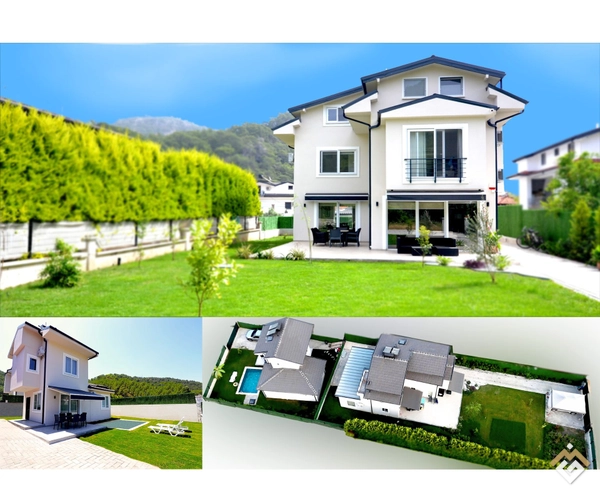 9-room villa in Mugla$2,000,000
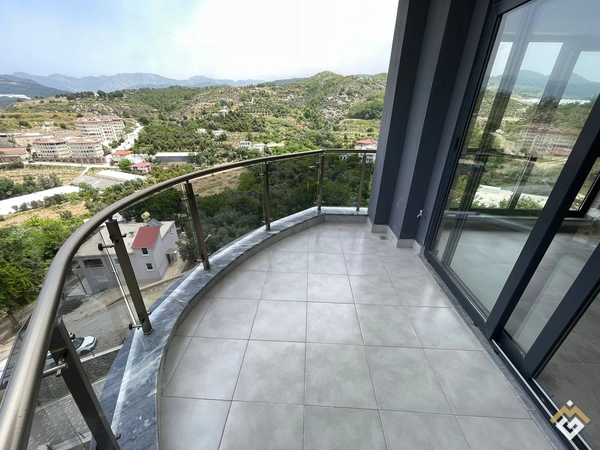 Sale of a 2-room apartment in Alanya, Turkey!€70,000
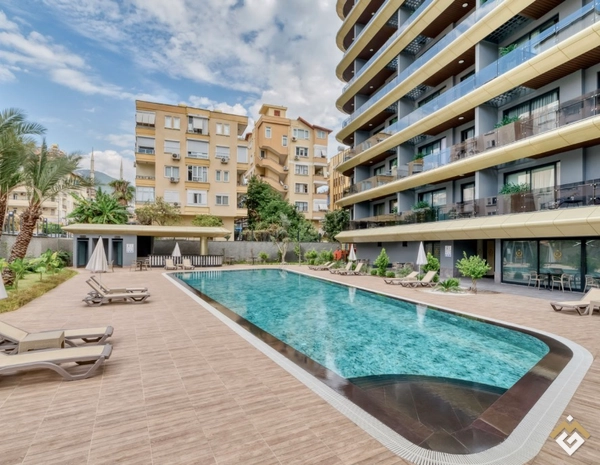 Apartment in the premium complex Royal Grand Exclusive | Cleopatra, Alanya! Turkey!€165,000
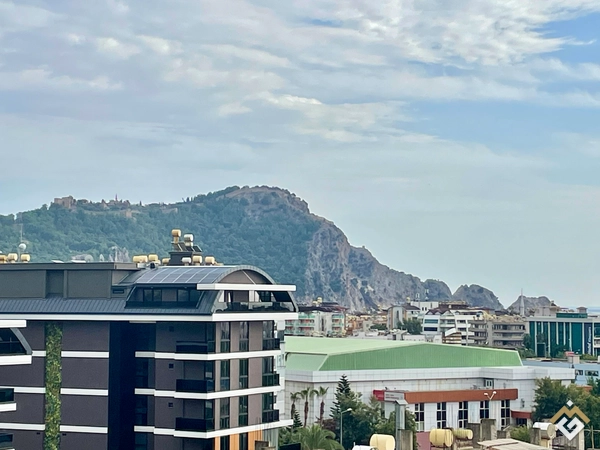 Apartment in the heart of Alanya - in the prestigious Cleopatra area, Turkey!€110,000
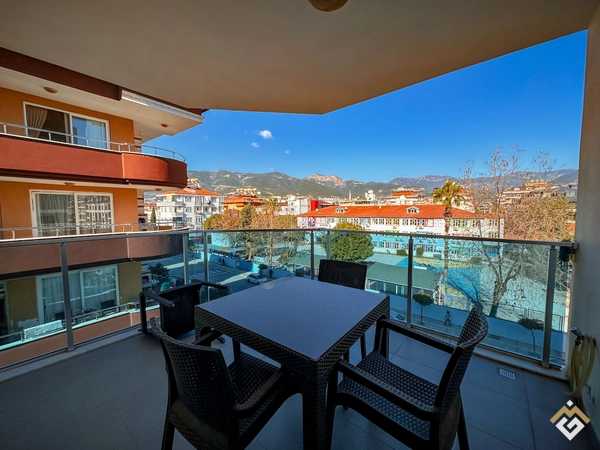 Diamond Residence Oba in Alanya, Turkey!€200,000
_1785484249768_121_medium_high.webp) Sale of a 2-room apartment in Alanya, Turkey!€83,000
Sale of a 2-room apartment in Alanya, Turkey!€83,000