

Property Taxes for Foreign Buyers in Turkey 2026: Full Guide
Learn exactly which taxes and fees foreign buyers pay when purchasing and owning property in Turkey in 2026.
Turkey remains one of the most accessible and affordable property markets for international buyers, but the real cost of ownership goes well beyond the sticker price. From the title-deed transfer fee to annual property tax, VAT, rental income tax and capital gains, foreign buyers need a clear picture before they commit. This guide breaks down the typical taxes and costs in 2026, who can buy, and how to avoid expensive surprises.
Who Can Buy and Foreign Ownership Restrictions
Citizens of most countries can buy property in Turkey freely under the principle of reciprocity, and the list of eligible nationalities is broad. Restrictions are mainly geographic: foreigners cannot buy in military or security zones, and total foreign ownership in any district is capped (commonly cited at around 10% of the area). A single foreign national is generally limited to roughly 30 hectares nationwide. Every purchase by a foreigner triggers a mandatory military clearance check on the parcel, which the Land Registry handles. Because eligibility and zone rules are updated periodically, confirm your nationality's status and the specific parcel with a licensed Turkish lawyer before signing or transferring funds.
Step-by-Step Buying Process
Start by obtaining a Turkish tax number, which is free and required for nearly every step, then open a local bank account. Agree terms and usually sign a preliminary contract with a deposit, ideally reviewed by your own lawyer rather than the seller's. Order an independent valuation report (SPK-licensed appraisal), which is mandatory for foreign buyers. Funds are typically transferred through the banking system to document the source for currency-exchange and any citizenship application. Final ownership transfers at the Land Registry (Tapu) office, where the title deed is issued in your name. Budget several weeks for military clearance and appraisal. Using a power of attorney lets a trusted lawyer complete the transfer if you cannot attend in person.
Purchase Taxes, Fees and Ongoing Costs
The headline cost is the title-deed transfer tax, officially 4% of the declared value, legally split between buyer and seller though in practice often paid wholly by the buyer; declaring the true value protects you from later capital-gains exposure. Expect additional one-off costs: the mandatory appraisal, revolving fund and registration fees, notary and translation charges, and DASK earthquake insurance. New-build properties may carry VAT, with rates that vary by property type and size and occasional exemptions for foreign buyers paying in foreign currency. Ongoing, you pay annual property tax (broadly 0.1%-0.6% of assessed value depending on type and location) plus municipal and environmental charges. Treat all percentages as typical 2026 ranges and confirm exact figures with a local tax advisor.
Financing, Mortgages and Rental or Sale Taxes
Some Turkish banks offer mortgages to non-residents, but loan-to-value is usually conservative (often around 50%-60%) with higher rates and significant documentation; many foreign buyers purchase in cash or use developer payment plans on off-plan units. If you rent the property out, rental income is taxable on a progressive scale after a modest annual exemption for residential lets, and non-residents are taxed on Turkish-source income. When you sell, capital gains tax applies on a progressive scale to gains from property held under five years, while property held longer than five years is generally exempt. Inflation indexing can reduce the taxable gain. Because brackets and exemptions are revised regularly, model your numbers with a licensed accountant before buying.
Residency, Citizenship and Common Pitfalls
Buying property can support a short-term residence permit, though authorities have raised minimum property-value thresholds and closed many districts to permit-linked purchases, so verify eligibility for your target location. Citizenship by investment remains available, typically requiring a qualifying property purchase (a widely cited threshold around USD 400,000) held for at least three years, confirmed by official appraisal and bank documentation. Common pitfalls include under-declaring the price to save on transfer tax, skipping independent legal due diligence, ignoring outstanding utility or tax debts attached to the property, and overlooking annual obligations. Always use an independent, English-speaking lawyer who is not tied to the seller or developer, and re-check current thresholds, as both programs change frequently.
FAQ
What is the main tax when buying property in Turkey?
The principal purchase tax is the title-deed transfer fee, officially 4% of the declared property value. It is legally shared between buyer and seller but in practice the buyer often pays the full amount. Declaring the genuine purchase price is important because it sets your cost base for future capital gains tax. Confirm the current rate with a local lawyer.
How much is annual property tax in Turkey?
Annual property tax is broadly 0.1% to 0.6% of the municipality's assessed value, depending on whether the property is residential, commercial or land, and whether it sits in a metropolitan area where rates are higher. There are also small municipal and environmental cleaning charges. These are modest compared with many European countries. Verify the exact assessed value and rate locally.
Do foreign buyers pay VAT on Turkish property?
VAT can apply to new-build property bought from a developer, with rates that vary by the property's size and type. Resale properties between individuals are generally not subject to VAT. Foreign buyers bringing in foreign currency may qualify for a VAT exemption on a first new purchase under certain conditions. Because rules and rates change, confirm eligibility with a Turkish tax advisor.
Is there capital gains tax when I sell?
Yes, if you sell within five years of purchase, gains are taxed on a progressive scale, with an inflation-indexing adjustment that can reduce the taxable amount. Property held for more than five years is generally exempt from capital gains tax for individuals. Brackets and the indexing method are revised regularly, so model your potential liability with a licensed accountant before selling.
Can buying property give me Turkish residency or citizenship?
Property purchase can support a short-term residence permit, though minimum values have risen and many districts are now closed to permit-linked buys. Citizenship by investment typically requires a qualifying purchase around USD 400,000, held at least three years, with official appraisal. Both thresholds change often, so confirm the current rules with an immigration lawyer before relying on them.
Find your property in Turkey
Explore verified listings across Turkey and connect with trusted local agents who can guide you through taxes, paperwork and the full purchase process.
Browse listingsOwn a property? For owners ↗
Property for sale in Türkiye
Live listings from the GREM catalogue — prices and areas as of today.
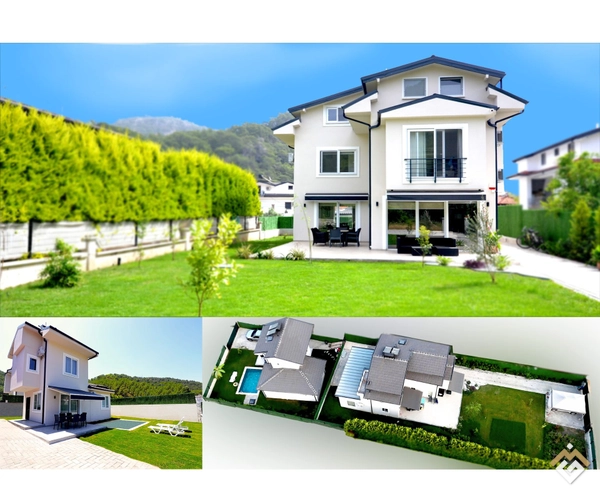 9-room villa in Mugla$2,000,000
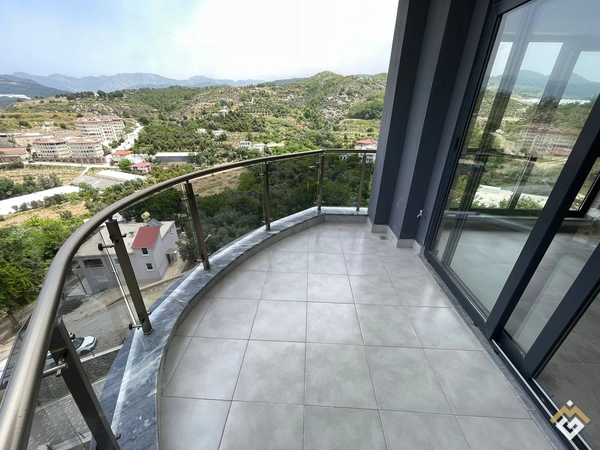 Sale of a 2-room apartment in Alanya, Turkey!€70,000
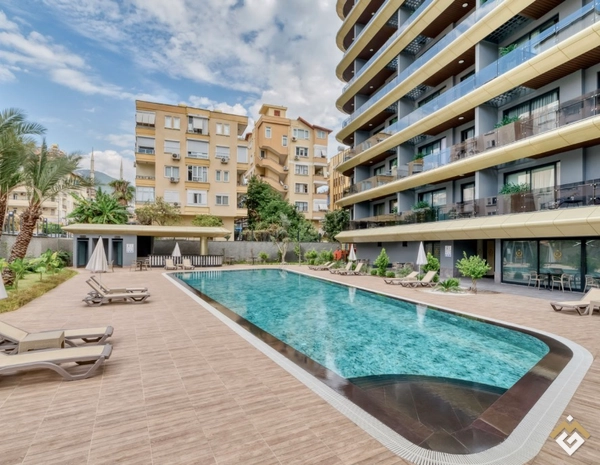 Apartment in the premium complex Royal Grand Exclusive | Cleopatra, Alanya! Turkey!€165,000
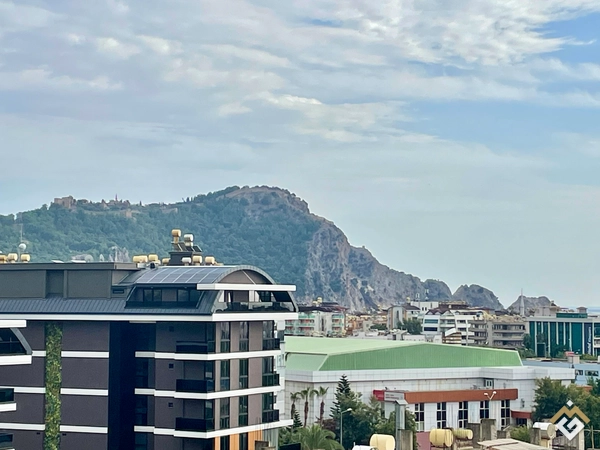 Apartment in the heart of Alanya - in the prestigious Cleopatra area, Turkey!€110,000
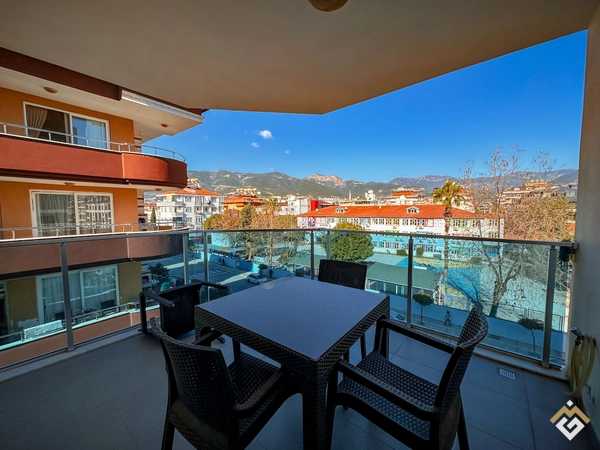 Diamond Residence Oba in Alanya, Turkey!€200,000
_1785484249768_121_medium_high.webp) Sale of a 2-room apartment in Alanya, Turkey!€83,000
Sale of a 2-room apartment in Alanya, Turkey!€83,000