

Mortgages for Non-Residents in Spain 2026: LTV, Rates & Process
Learn how non-residents qualify for a Spanish mortgage in 2026, from LTV and rates to documents, costs and the full application timeline.
Spain remains one of Europe's most open markets for foreign property buyers, and most major Spanish banks lend to non-residents. The terms, however, are stricter than for residents: lower loan-to-value, more paperwork and tighter affordability checks. This guide walks through who can borrow, what LTV and rates to expect in 2026, the documents you need, the end-to-end process and the mistakes that derail applications. Treat all figures as typical ranges and confirm current terms with your bank and a licensed Spanish lawyer.
Who can borrow and how much (LTV and affordability)
There are no nationality restrictions on foreigners buying or financing property in Spain, and most large banks have dedicated non-resident mortgage desks. The key difference is loan-to-value: non-residents are typically offered around 60-70% of the property's value (or purchase price, whichever is lower), versus up to 80% for residents. So you should budget roughly 30-40% as a down payment, plus another 10-14% for taxes and fees. Banks also apply a debt-to-income rule, usually keeping total monthly debt under about 30-35% of net income, and they assess your income in your home country. Higher LTV may be possible for buyers from EU/EEA countries or with strong banking history, but confirm specifics with each lender.
Rates, terms and product types in 2026
Spanish non-resident mortgages come as fixed, variable (linked to the 12-month Euribor plus a margin) or mixed-rate products. After the European rate cuts through 2024-2025, fixed rates for non-residents in 2026 typically sit in the rough range of 3-4.5%, usually a little higher than resident rates, while variable products track Euribor plus a margin of around 1-2%. Terms commonly run 20-25 years, and many banks require the loan to be repaid before you reach around age 70-75. Lenders often expect you to open a Spanish current account and may bundle home and life insurance to improve the rate. Always compare the TIN (nominal rate) and TAE (APR including fees), and get current quotes from at least two or three banks before committing.
Documents and the NIE you'll need
Before anything else you need an NIE (Numero de Identidad de Extranjero), the Spanish tax ID for foreigners, obtained at a Spanish consulate abroad or a police station in Spain. For the mortgage itself, banks typically request: passport and NIE; proof of income (recent payslips, an employment contract, or two to three years of tax returns and accounts if self-employed); recent bank statements (often the last 3-6 months); a credit report or equivalent from your home country; proof of existing assets and debts; and the property's details and preliminary sale contract. Documents not in Spanish usually need an official sworn translation, and some may require an apostille. Preparing a complete, well-translated file upfront is the single biggest accelerator of approval.
Step-by-step process and timeline
First, obtain your NIE and open a Spanish bank account. Second, get a mortgage pre-approval (decision in principle) so you know your budget before house-hunting. Third, agree the purchase and sign a reservation or arras (deposit) contract, typically putting down around 10%. Fourth, the bank arranges an independent valuation (tasacion), which sets the LTV base. Fifth, the bank issues a binding offer (FEIN), and Spanish consumer-protection rules require a mandatory cooling-off period of at least ten days before signing. Finally, you complete at the notary, where the mortgage deed and sale are signed simultaneously, taxes are paid and the title is registered. Start to finish usually takes about 6-10 weeks once documents are ready, longer if paperwork or translations lag.
Costs, taxes and common pitfalls
Beyond the deposit, budget roughly 10-14% of the price for transaction costs. On resale homes you pay regional Transfer Tax (ITP), commonly around 6-10% depending on the autonomous community; new-build purchases instead carry 10% VAT (IVA) plus Stamp Duty (AJD) of roughly 0.5-1.5%. Add notary, land-registry, valuation and lawyer fees, plus any mortgage arrangement fee. Common pitfalls include forgetting that the bank lends on the valuation, not the price, so a low tasacion shrinks your loan; underestimating total cash needed; assuming rental income will count toward affordability; and missing the cooling-off period. Always use an independent lawyer (not the seller's or agent's) and confirm current tax rates with a licensed local tax advisor, since they vary by region and change.
FAQ
How much deposit do non-residents need for a Spanish mortgage?
Non-residents are usually financed up to around 60-70% of the property's value or price, whichever is lower. That means a deposit of roughly 30-40%, plus another 10-14% for taxes and fees. So you should typically have around 40-50% of the purchase price available in cash before applying. Confirm exact LTV with each bank.
Do I need an NIE before applying for a mortgage?
Yes. The NIE (foreigner's tax identification number) is essential for buying property, opening a Spanish bank account and signing the mortgage. You can apply at a Spanish consulate in your home country or, if you are in Spain, at a designated police station. Obtain it early, as the rest of the process depends on it.
What interest rates can non-residents expect in 2026?
After the 2024-2025 rate cuts, fixed non-resident rates in 2026 typically fall in the rough range of 3-4.5%, slightly above resident rates. Variable products track 12-month Euribor plus a margin of around 1-2%. Compare both the nominal rate (TIN) and the APR (TAE), and get live quotes from several banks, as rates move.
Does getting a Spanish mortgage give me residency?
No. Buying property or taking a mortgage does not grant residency. Spain ended its property-based Golden Visa in 2025, so real estate no longer leads to investor residency. Living in Spain long-term requires a separate visa (such as a non-lucrative or digital-nomad visa). Confirm current immigration routes with a licensed immigration lawyer.
How long does the mortgage process take?
Once your documents and translations are ready, expect roughly 6-10 weeks from application to completion at the notary. This includes pre-approval, the property valuation, the binding offer (FEIN) and a mandatory cooling-off period of at least ten days. Incomplete paperwork, missing translations or apostilles are the most common causes of delay.
Find your Spanish property with financing in mind
Browse verified listings across Spain, estimate your monthly repayments and connect with brokers who handle non-resident mortgages from day one.
Explore Spain listingsOwn a property? For owners ↗
Property for sale in Spain
Live listings from the GREM catalogue — prices and areas as of today.
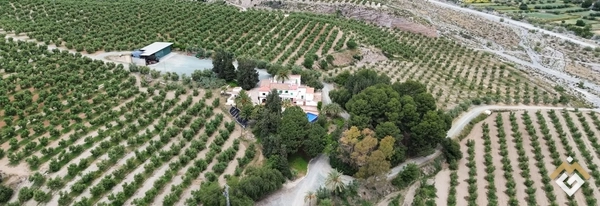 Certified Organic Olive Estate$2,850,000
 Exquisite Villa in Alcaidesa€4,500,000
 Apartment for sale in Francesc Tarrega, 3€174,250
 Apartment for sale on Avenida Sants de la Pedra, 3€123,000
 Duplex for sale in Plaza Major, 8€82,000
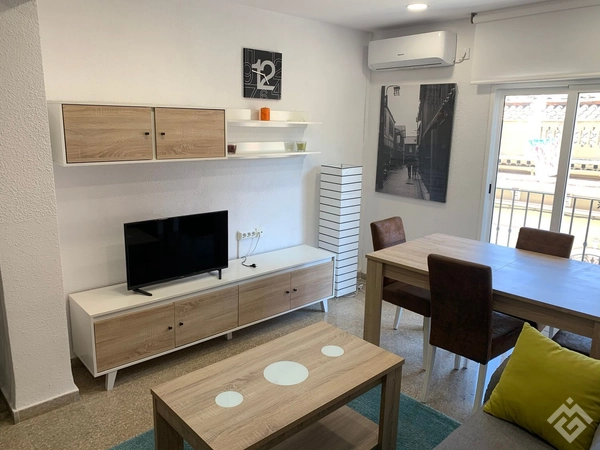 Apartment for sale on San Joaquín Street, 14€112,750