

Property Taxes for Foreign Buyers in Spain 2026: Full Guide
Learn exactly which taxes you pay when buying, owning and selling Spanish property as a non-resident, and how much to budget.
Spain remains one of the most popular markets for international property buyers, but its tax system catches many newcomers off guard. Between purchase taxes, annual charges and rules that differ for residents and non-residents, the total cost goes well beyond the listing price. This 2026 guide breaks down ITP, IVA, IBI, plusvalia and non-resident income tax in plain English so you can budget with confidence.
Can foreigners buy property in Spain? Restrictions and the NIE
Spain places almost no restrictions on foreign ownership. Buyers from anywhere can purchase homes, commercial space and land on the same terms as Spanish nationals, and you do not need residency or a visa to own property. The one universal requirement is an NIE (Numero de Identidad de Extranjero), a foreigner tax identification number needed to sign deeds, open accounts and pay taxes. A handful of properties near military zones may need special clearance, but these are rare. Note that Spain ended its Golden Visa residency-by-investment route in 2025, so buying no longer grants residency. Confirm any local restrictions and current visa rules with a licensed Spanish lawyer before committing.
Step-by-step: from offer to title deed
The process is structured and notary-led. First, obtain your NIE and open a Spanish bank account. Next, sign a reservation contract and pay a small deposit to take the property off the market. Your lawyer then runs due diligence: confirming ownership at the Land Registry, checking for debts, and verifying licences. You sign a private purchase contract (contrato de arras), typically paying around 10% as a deposit; backing out usually forfeits it. Finally, both parties sign the public deed (escritura) before a notary, the balance is paid, and the deed is registered. The full cycle commonly takes one to three months. Always confirm current timelines and documents with your conveyancing lawyer.
Purchase taxes: ITP vs IVA, plus notary and registry fees
Which tax you pay depends on whether the home is resale or new. Resale properties attract ITP (transfer tax), set by each region and typically ranging from about 6% to 10% of the price, with some regions using sliding scales. New-build properties instead carry IVA (VAT), generally around 10% for residential homes, plus AJD stamp duty of roughly 1% to 1.5%. On top, budget for notary fees, Land Registry fees and your lawyer, which together often add around 1% to 3%. As a rule of thumb, allow roughly 10% to 15% above the purchase price for taxes and costs. Because regional rates change, verify exact percentages for your specific region with a local tax advisor.
Financing: mortgages for non-residents
Spanish banks do lend to non-residents, though on tighter terms than to residents. Non-residents can typically borrow up to around 60% to 70% of the valuation, meaning you fund a larger deposit plus taxes from your own capital, while residents may reach 80%. Expect to provide proof of income, tax returns and bank statements, often translated and apostilled. Rates may be fixed or variable, and lenders apply affordability checks based on your global income. Arrangement fees, valuation costs and mortgage-related stamp duty add to the bill. Shopping multiple banks or using a mortgage broker can improve terms. Always confirm current loan-to-value limits and rates with the specific lender, as policies vary by bank and nationality.
Owning and selling: IBI, non-resident income tax and plusvalia
Ownership brings recurring taxes. IBI is an annual municipal property tax based on the cadastral value, commonly a few hundred to a couple of thousand euros yearly depending on location. Non-residents also owe non-resident income tax (IRNR): if you rent the property you pay tax on rental income, and even if it sits empty Spain levies an imputed income tax on a small percentage of the cadastral value. When you sell, capital gains tax applies, and buyers must withhold a portion (often 3%) of the price from non-resident sellers toward it. The seller also pays plusvalia municipal, a local tax on the increase in land value. Confirm all rates and any treaty relief with a tax advisor.
FAQ
What is the difference between ITP and IVA in Spain?
ITP is the property transfer tax you pay on resale homes, set regionally and typically around 6% to 10% of the price. IVA is VAT charged instead on new-build properties, generally near 10% for residential, plus AJD stamp duty. You pay one or the other, never both. Confirm current regional rates with a local tax advisor.
Do foreigners pay property tax in Spain if they don't live there?
Yes. Non-resident owners pay annual IBI municipal tax based on cadastral value, and non-resident income tax (IRNR). Even an empty second home triggers an imputed income tax on a percentage of its cadastral value, while rented property is taxed on income earned. Rates vary, so verify your liability with a Spanish tax adviser.
What is plusvalia and who pays it?
Plusvalia municipal is a local tax on the increase in the value of urban land between purchase and sale. The seller normally pays it, calculated by the town hall using the land's cadastral value and years of ownership. Amounts vary widely by municipality. Buyers should confirm the figure before completion, as unpaid plusvalia can affect the property.
How much should I budget for taxes and fees when buying?
A common rule of thumb is to add roughly 10% to 15% on top of the purchase price. This covers ITP or IVA plus stamp duty, notary, Land Registry and legal fees, and any mortgage costs. New-builds and mortgaged purchases tend to sit at the higher end. Get a precise breakdown from your lawyer for your specific case.
Did Spain's Golden Visa end, and does buying still give residency?
Spain ended its Golden Visa residency-by-investment programme in 2025, so purchasing property no longer grants residency. You can still freely buy and own a home as a foreigner, but you must obtain residency through other routes, such as work, study or non-lucrative visas. Check current immigration options with a qualified immigration lawyer.
Plan your Spanish purchase budget
Estimate your monthly payments and how much you can borrow as a non-resident before you commit to a Spanish property.
See all listings in SpainOwn a property? For owners ↗
Property for sale in Spain
Live listings from the GREM catalogue — prices and areas as of today.
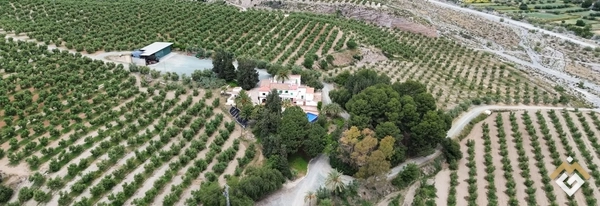 Certified Organic Olive Estate$2,850,000
 Exquisite Villa in Alcaidesa€4,500,000
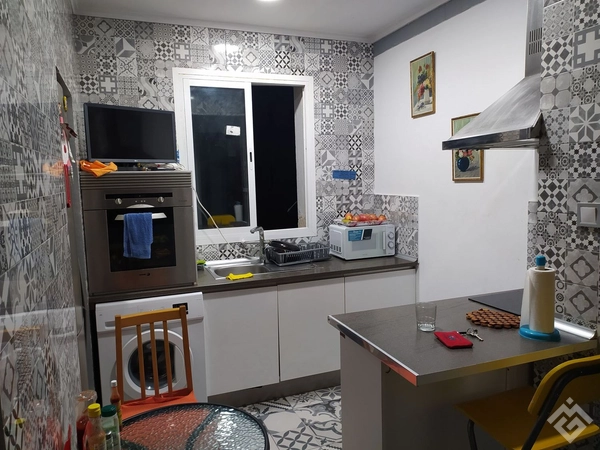 Apartment for sale in Francesc Tarrega, 3€174,250
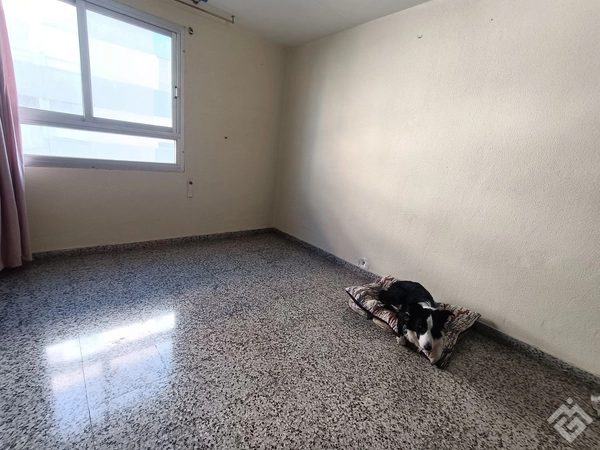 Apartment for sale on Avenida Sants de la Pedra, 3€123,000
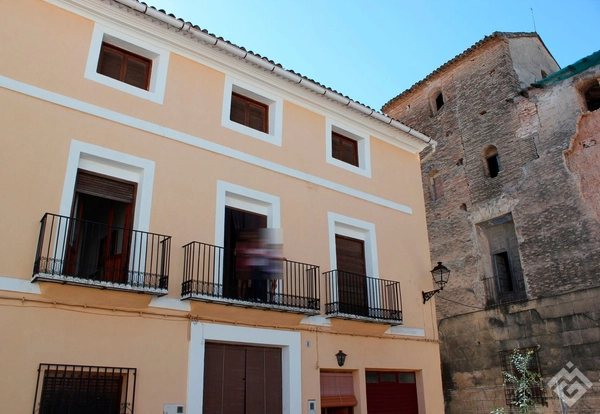 Duplex for sale in Plaza Major, 8€82,000
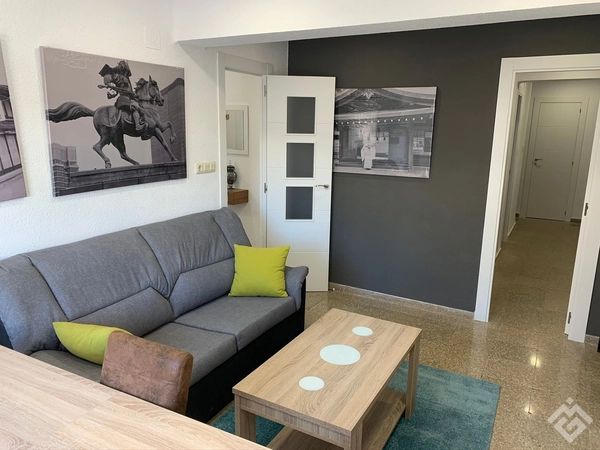 Apartment for sale on San Joaquín Street, 14€112,750