

Spain Ended Its Golden Visa: Residency Alternatives for 2026
Learn what replaced Spain's Golden Visa and the practical residency and property-buying routes that still work for foreigners in 2026.
On 3 April 2025 Spain formally closed its residency-by-investment programme, ending the path that let buyers gain residency by purchasing property worth around EUR 500,000. The good news: you can still buy Spanish property freely as a foreigner, and several alternative visas remain open. This guide explains who can buy, the step-by-step process, costs and taxes, financing, and the realistic residency routes that survived the 2025 change.
Who can still buy, and what changed in 2025
Spain places almost no restrictions on foreign property ownership. Buyers from anywhere can purchase apartments, houses and land outright, holding 100% freehold title regardless of nationality or residence. What ended in April 2025 was only the link between a property purchase and residency: buying real estate no longer grants any visa or residence permit by itself. You can still own a Spanish home, but it now sits separately from your immigration status. Anyone buying needs a Spanish foreigner tax number (NIE) and a local bank account. Non-EU buyers should also plan their stay around the 90-days-in-180 Schengen limit unless they secure a separate residence visa, which is where the alternative routes below become important.
Step-by-step: buying property in Spain
First, obtain your NIE number from a Spanish consulate or police station; it is mandatory for any transaction. Open a Spanish bank account to handle payments and utilities. Hire an independent lawyer (abogado) who is not tied to the seller or agent to run due diligence: confirming clean title at the Land Registry, checking for debts, charges and that the property is legally built. You then sign a reservation or private purchase contract and pay a deposit, typically around 10%. The sale completes before a notary, who issues the public deed (escritura). Finally, register the deed at the Land Registry and pay the applicable transfer taxes. Confirm each step's current requirements with your lawyer, as regional rules vary.
Costs and taxes to budget for
Beyond the price, foreign buyers should budget roughly 10-15% in additional costs. Resale homes attract a regional property transfer tax (ITP) that is commonly in the 6-10% range depending on the autonomous community, while new-build purchases instead carry VAT (IVA) around 10% plus stamp duty. Add notary, Land Registry and legal fees, usually a few percent combined. Ongoing costs include annual property tax (IBI), community fees and, for non-residents, an annual non-resident income tax on imputed or actual rental income. Several regions have raised or proposed surcharges aimed at non-resident buyers, so treat all figures here as typical ranges and confirm exact rates with a licensed Spanish tax advisor before you commit.
Financing and mortgages for non-residents
Spanish banks lend to non-residents, though on more conservative terms than to locals. Expect a maximum loan-to-value of roughly 60-70% of the purchase or appraised value, meaning you typically need a 30-40% deposit plus the 10-15% in transaction costs in cash. Lenders assess your global income, existing debts and credit history, and usually want monthly repayments to stay within about 30-35% of net income. Both fixed and variable rates are available; rates and conditions shift with the wider European market, so compare several banks or use a mortgage broker. You will need translated and sometimes apostilled income and tax documents. Use a mortgage or affordability calculator early to size your budget realistically before house-hunting.
Residency alternatives and common pitfalls
With the Golden Visa gone, property buyers turn to other routes. The Non-Lucrative Visa suits those with passive income who will not work in Spain; it requires proof of substantial savings or income and private health insurance. Spain's Digital Nomad Visa lets remote workers and freelancers serving mostly non-Spanish clients live there, often with favourable tax treatment in early years. Others qualify via work, study or family ties. None of these requires buying property, but owning a home strengthens your case and gives a stable address. Common pitfalls: assuming a purchase still grants residency, skipping independent legal due diligence, underestimating taxes, and overstaying Schengen limits. Always verify current visa thresholds and tax rates with a licensed local lawyer.
FAQ
Can I still get residency by buying property in Spain in 2026?
No. Spain ended its Golden Visa on 3 April 2025, so buying property no longer grants any residence permit. You can still own a Spanish home as a foreigner, but you must obtain residency through a separate route such as the Non-Lucrative Visa, Digital Nomad Visa, or work, study and family-based permits.
What is the best residency alternative for property buyers?
It depends on your situation. Retirees and people with passive income often choose the Non-Lucrative Visa, while remote workers favour the Digital Nomad Visa. Neither requires a property purchase, though owning a home provides a stable address. Confirm current income thresholds and conditions with a licensed Spanish immigration lawyer before applying.
How much does buying property in Spain cost in extra fees?
Budget roughly 10-15% on top of the purchase price. This covers transfer tax (ITP) on resales, typically around 6-10%, or VAT near 10% plus stamp duty on new builds, alongside notary, registry and legal fees. Annual costs like IBI and community fees follow. Verify exact regional rates with a tax advisor, as they change often.
Can non-residents get a mortgage in Spain?
Yes. Spanish banks lend to non-residents, usually up to around 60-70% loan-to-value, so plan for a deposit of 30-40% plus transaction costs in cash. Lenders review your global income, debts and credit history. Both fixed and variable rates exist, and conditions vary by bank, so compare offers or work with a mortgage broker.
Do I need a Spanish lawyer to buy property?
It is strongly recommended. An independent lawyer not tied to the seller or agent checks the Land Registry for clean title, debts and charges, confirms the property is legally built, and reviews the contract before you commit. They also help with the NIE, taxes and registration. This due diligence is your main protection against costly hidden problems.
Find your next home in Spain
Browse verified Spanish property and connect with trusted local agents who can guide you through buying and the right residency route for 2026.
See all listings in SpainOwn a property? For owners ↗
Property for sale in Spain
Live listings from the GREM catalogue — prices and areas as of today.
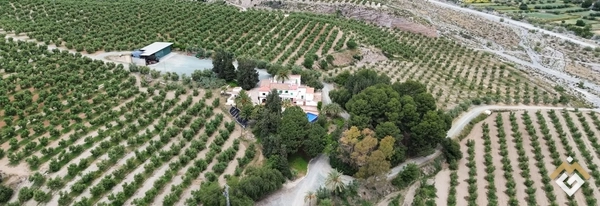 Certified Organic Olive Estate$2,850,000
 Exquisite Villa in Alcaidesa€4,500,000
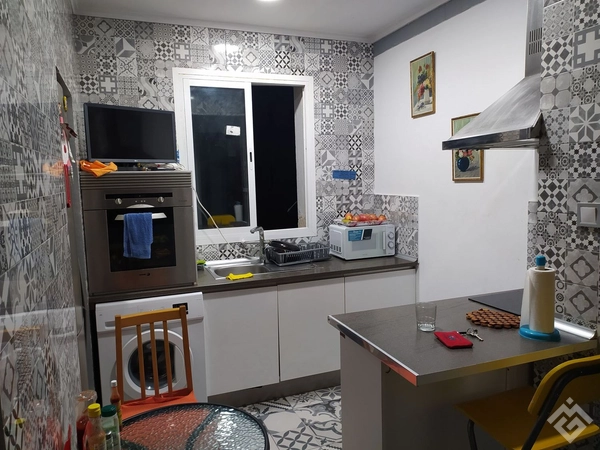 Apartment for sale in Francesc Tarrega, 3€174,250
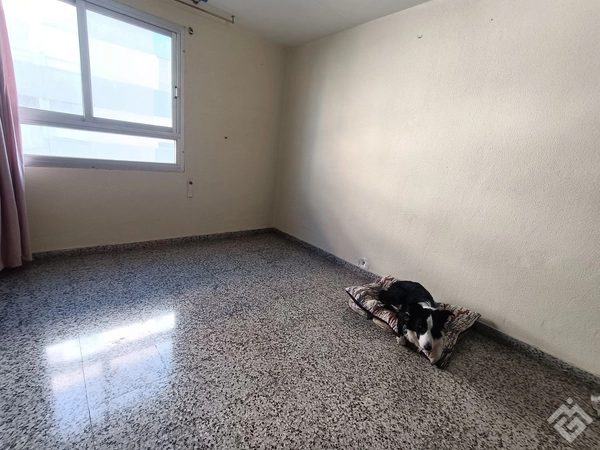 Apartment for sale on Avenida Sants de la Pedra, 3€123,000
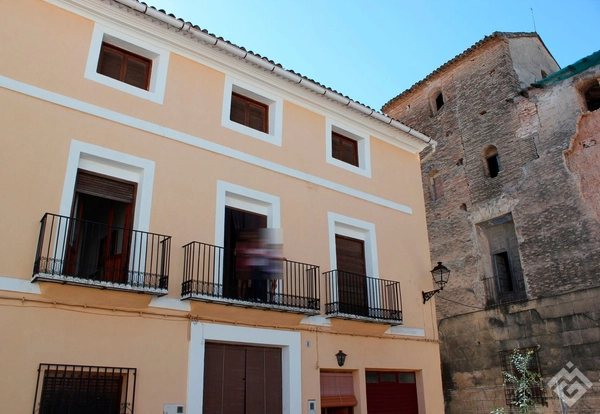 Duplex for sale in Plaza Major, 8€82,000
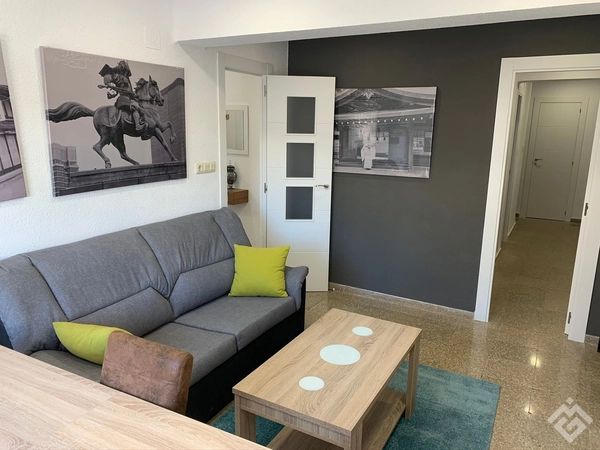 Apartment for sale on San Joaquín Street, 14€112,750