

Portugal Golden Visa After the 2025 Changes: What Qualifies in 2026
Understand exactly which Golden Visa investment routes survived the reforms and how to qualify in 2026 without losing time or money.
Portugal's Golden Visa is no longer the property-buying programme it once was. The 2023 "Mais Habitação" law removed real-estate purchases, property funds and capital-transfer routes, leaving a narrower but still active menu for 2026. This guide walks through who can apply, the qualifying options that remain, real costs, financing realities and the mistakes that derail applications. Always confirm current figures with a licensed Portuguese lawyer, as thresholds and rules continue to evolve.
Who can apply and what no longer qualifies
The Golden Visa is open to non-EU/EEA/Swiss nationals; EU citizens already enjoy free movement and don't need it. There are no nationality bans for the qualifying routes, and you can apply with a spouse, dependent children and dependent parents. Crucially, the 2023 reform ended the classic property routes: buying residential or commercial real estate no longer counts, nor do real-estate-linked investment funds or the EUR 1.5 million capital-transfer option. If your plan was "buy an apartment in Lisbon for residency," that path is closed. What remains centres on qualifying investment funds, business and job creation, and cultural or research contributions. Because eligibility has been redefined repeatedly, verify your specific route with a licensed Portuguese lawyer before committing funds.
Qualifying routes that remain in 2026
Several non-property options still qualify, though exact thresholds should be confirmed locally. The most popular is the qualifying investment fund route, typically around EUR 500,000 into a Portuguese-regulated venture-capital or private-equity fund that holds no real estate. Other paths include investing roughly EUR 500,000 in company capital while creating jobs (commonly five or more), creating around ten new jobs directly, donating approximately EUR 250,000 to arts and heritage, or contributing about EUR 500,000 to scientific research. Each route has its own documentation, source-of-funds checks and ongoing maintenance requirements. Fund investments carry market risk and are not capital-guaranteed, so independent financial advice matters as much as legal advice here.
Step-by-step process and timeline
First, obtain a Portuguese tax number (NIF) and open a local bank account, usually via a lawyer holding power of attorney. Next, complete your chosen investment, fund the transfer from a traceable source, and gather documents: passport, clean criminal record, proof of investment and health insurance. Your lawyer then submits the application to AIMA, the immigration agency that replaced SEF. After pre-approval you attend a biometrics appointment in Portugal. Processing has been slow, often a year or more given the AIMA backlog, so patience is essential. Residence cards are issued for set periods and renewed, with citizenship eligibility typically reachable after five years of legal residence, subject to language and other conditions.
Costs, taxes and government fees
Beyond the investment itself, budget for substantial extra costs. Government processing and per-applicant fees, together with renewal fees, commonly run into several thousand euros per person across the programme's life; figures change annually and should be checked. Legal fees, fund subscription charges and annual fund management fees add more, so model total cost, not just the headline amount. On tax, Portugal taxes residents on worldwide income, though the generous NHR regime largely closed to new entrants, with a narrower successor for certain professionals. Spending under roughly seven days a year in Portugal means you may avoid tax residency entirely. Confirm your personal tax position with a Portuguese tax advisor before applying, as outcomes vary widely by circumstances.
Financing, residency benefits and pitfalls
Mortgages don't help here: qualifying investments must be made with your own clean, documented capital, and financing the investment is not permitted, though you may finance a separate home purchase. The payoff is one of Europe's lightest residency obligations, requiring an average of only about seven days per year in Portugal, plus Schengen travel access and a route to permanent residence or citizenship. Common pitfalls include choosing a fund that secretly holds real estate (disqualifying), weak source-of-funds evidence, underestimating AIMA delays, and assuming old property rules still apply. Work only with regulated funds and a licensed lawyer, and never rely on agents promising guaranteed approval or unrealistically fast timelines.
FAQ
Can I still get Portugal's Golden Visa by buying property in 2026?
No. The 2023 Mais Habitacao reform removed all real-estate routes, including direct purchases and real-estate-linked funds. You can still buy property in Portugal freely, but it no longer grants Golden Visa eligibility. Residency now comes mainly through qualifying funds, job creation or cultural and research contributions.
What is the minimum investment now?
It depends on the route, but the popular qualifying-fund option typically starts around EUR 500,000, while the cultural-heritage donation route is commonly near EUR 250,000. These figures are approximate and subject to change. Always confirm the current threshold for your chosen route with a licensed Portuguese lawyer before transferring any money.
How long does the process take?
Plan for patience. Once your investment and documents are ready, submission is quick, but AIMA, the immigration agency, has a significant backlog. Many applicants wait a year or more from application to receiving their residence card. Biometrics appointments and renewals can add further delays, so factor generous timelines into your plans.
Do I have to live in Portugal?
No. One of the programme's key attractions is its minimal stay requirement, typically averaging only about seven days per year in Portugal. This lets you maintain residency without relocating. However, qualifying for permanent residence or citizenship after five years involves additional conditions, including a basic Portuguese language test.
Will I have to pay Portuguese tax?
Only if you become a tax resident, generally by spending over 183 days a year there or having your main home in Portugal. The well-known NHR regime largely closed to new applicants, with a narrower successor for some professionals. Tax outcomes are highly personal, so consult a Portuguese tax advisor before applying.
Find your place in Portugal
Explore verified listings across Lisbon, Porto and the Algarve, and connect with vetted local agents and lawyers who can guide your move, whether or not you pursue residency.
See all listings in PortugalOwn a property? For owners ↗
Property for sale in Portugal
Live listings from the GREM catalogue — prices and areas as of today.
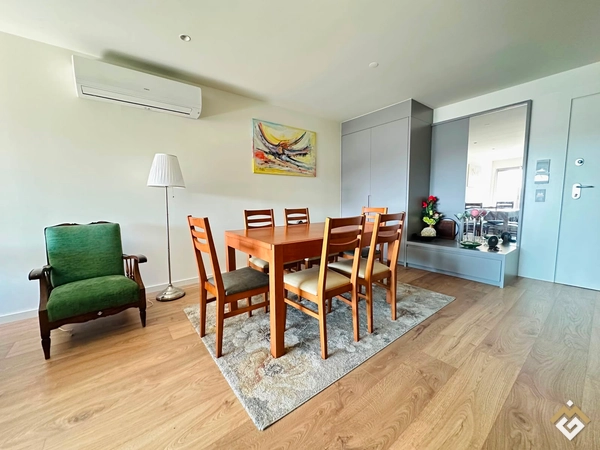 Modern 1-Bedroom Apartment with Balcony and Parking in Braga, Portugal€280,000
 T0 for sale on January 31, 183€283,818
 T0€208,075
 T0€231,650
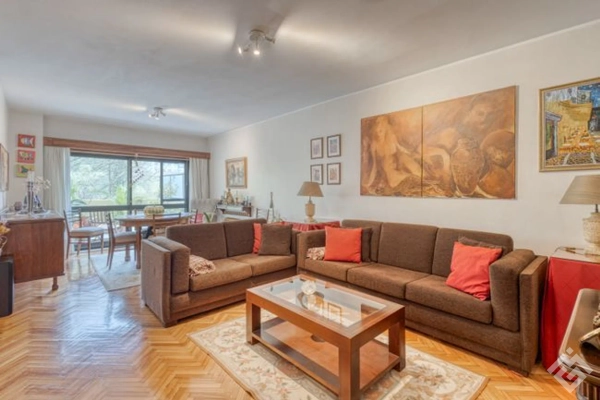 Apartment on Cardeal Dom Américo Street, 211€338,250
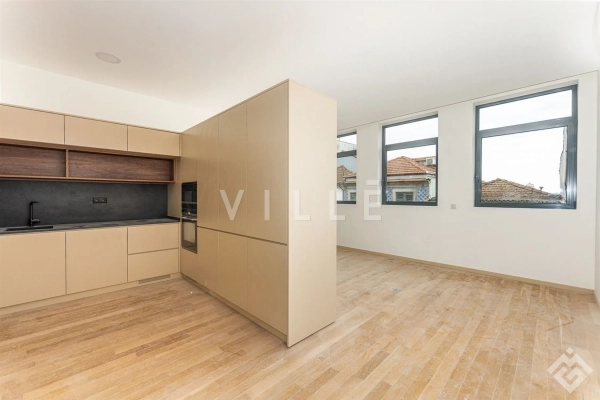 Apartment€271,625