

Mortgages for Non-Residents in Portugal 2026: Full Guide
Learn exactly how non-resident buyers qualify for, structure and close a Portuguese property mortgage in 2026 - from deposit size to closing costs.
Portugal remains one of Europe's most welcoming markets for foreign property buyers, and yes, non-residents can borrow from Portuguese banks. But the terms, paperwork and tax treatment differ from what residents and EU locals get. This guide walks you through eligibility, the step-by-step process, real costs and the traps that catch first-time foreign buyers. Treat all figures as typical 2026 ranges and confirm current numbers with a licensed Portuguese lawyer and tax advisor before you commit.
Who can get a mortgage and key restrictions for foreigners
Portugal places almost no restrictions on foreign ownership - non-residents, EU and non-EU nationals alike can buy freely and obtain financing. To borrow you first need a Portuguese tax number (NIF), easily arranged through a lawyer or fiscal representative, and a local bank account. Banks lend to salaried employees, self-employed and pensioners who can document stable income. The main difference is loan-to-value: residents may borrow up to roughly 80-90% of value, while non-residents are typically capped near 60-70%, meaning a larger cash deposit. Note that buyers from outside the EU/EEA usually must appoint a Portuguese fiscal representative. Eligibility rules shift, so verify your specific situation with a local mortgage broker or lawyer.
Step-by-step process from application to completion
Start by obtaining your NIF and opening a Portuguese bank account, then get a mortgage pre-approval (carta de conforto) so you know your budget before house-hunting. Once you agree a price, you sign a promissory contract (Contrato de Promessa de Compra e Venda) and pay a deposit, often around 10%. The bank then commissions a valuation and finalises its credit assessment. Completion happens at the deed signing (Escritura Pública) before a notary or via a licensed lawyer, where the loan is released and ownership transfers. Always engage an independent, Portuguese-speaking lawyer - never rely solely on the seller's or agent's representative - and allow several weeks to a few months for the full process.
Costs, taxes and the true price of buying
Budget well beyond the headline price. Property Transfer Tax (IMT) is progressive and typically ranges from roughly 0% to around 8% depending on price and property type, plus Stamp Duty of about 0.8% on the purchase and an additional stamp duty on the mortgage itself. Notary, deed registration and lawyer fees commonly add a few percent combined. Mortgage arrangement fees, the bank valuation and mandatory life and property insurance also apply. Ongoing, owners pay annual municipal property tax (IMI), usually around 0.3-0.45% of the rateable value. As a rule of thumb, set aside roughly 7-10% of the price for taxes and fees, but confirm exact IMT bands and rates for 2026 with a Portuguese tax advisor.
Mortgage options, rates and what banks offer non-residents
Non-resident mortgages in Portugal are commonly offered on terms up to 25-30 years, though the loan must usually be fully repaid before you reach around 70-75 years of age. You can choose variable rates pegged to Euribor plus a bank spread, or fixed and mixed-rate products for predictability; spreads for non-residents tend to be slightly higher. Banks typically want your total debt payments to stay below about 35% of net income. Shopping multiple lenders, or using an independent mortgage broker, often secures a better spread than walking into a single branch. Because Euribor and bank pricing move with European Central Bank policy, request live, written quotes and compare the full APRC rather than the advertised rate alone.
Residency, visas and common pitfalls to avoid
Buying property does not by itself grant residency, and Portugal's Golden Visa changed significantly in 2025 - real estate purchases no longer qualify for that route, so do not buy expecting an automatic visa. If residency is your goal, explore options like the D7 passive-income visa separately with an immigration lawyer. Common pitfalls include underestimating the cash deposit non-residents need, ignoring currency-exchange risk on a euro loan, skipping a structural survey, and trusting a non-independent lawyer. Watch for undeclared debts or planning issues on the property, which a proper title search reveals. Always get independent legal advice and confirm all current tax, lending and visa rules before transferring any money.
FAQ
Can non-residents actually get a mortgage in Portugal in 2026?
Yes. Portuguese banks lend to non-residents, including non-EU nationals, provided you have a NIF tax number, a local bank account and documented stable income. The main constraint is a lower loan-to-value ratio, typically around 60-70% for non-residents, so expect to fund a larger deposit yourself. Confirm current criteria with a Portuguese bank or broker.
How big a deposit do non-residents need?
Because non-resident loan-to-value is usually capped near 60-70% of the property's value or purchase price, you should plan for a deposit of roughly 30-40% in cash, plus another 7-10% for taxes and fees. Exact limits vary by bank and your profile, so get a written pre-approval before committing to a purchase.
What interest rates apply to non-resident mortgages?
Rates are usually variable (Euribor plus a bank spread) or fixed and mixed products. Non-residents often pay a slightly higher spread than locals. Because Euribor and bank pricing track European Central Bank policy and change frequently, compare live written quotes and the full APRC across several lenders rather than any advertised teaser rate.
Does buying property in Portugal give me residency?
Not automatically. Since the 2025 reforms, buying real estate no longer qualifies for Portugal's Golden Visa, so do not purchase expecting a visa. Residency routes such as the D7 passive-income visa exist but are separate from property ownership. Speak to a licensed Portuguese immigration lawyer to confirm the current pathways and thresholds for 2026.
What are the total costs of buying with a mortgage?
Beyond the price, expect Property Transfer Tax (IMT) of roughly 0-8% depending on value and type, Stamp Duty near 0.8%, plus notary, registration, lawyer, valuation and mortgage arrangement fees. Mandatory insurance and annual IMI municipal tax also apply. A common rule of thumb is to budget 7-10% on top of the price, confirmed with a local tax advisor.
Find your Portuguese property with GREM
Browse verified listings across Portugal and connect with vetted local brokers who can guide you through financing, paperwork and closing as a non-resident buyer.
See all listings in PortugalOwn a property? For owners ↗
Property for sale in Portugal
Live listings from the GREM catalogue — prices and areas as of today.
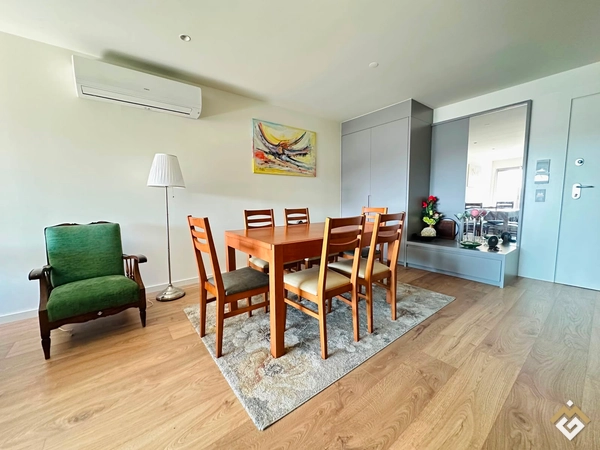 Modern 1-Bedroom Apartment with Balcony and Parking in Braga, Portugal€280,000
 T0 for sale on January 31, 183€283,818
 T0€208,075
 T0€231,650
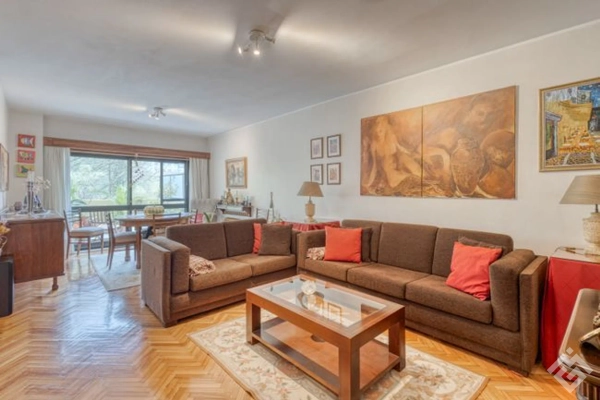 Apartment on Cardeal Dom Américo Street, 211€338,250
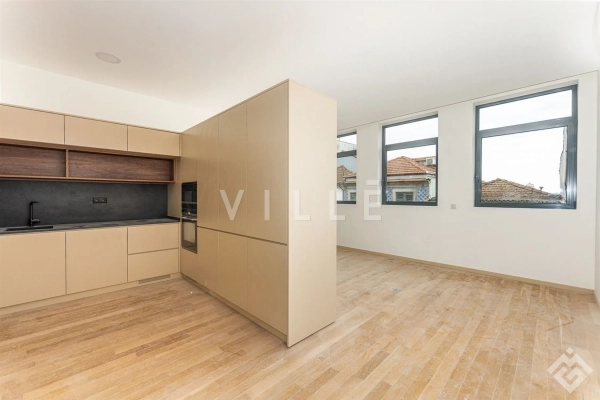 Apartment€271,625