

Property Taxes for Foreign Buyers in Portugal 2026
A plain-English breakdown of the purchase and yearly property taxes a foreign buyer pays in Portugal in 2026, with practical figures and where to verify them.
Portugal stays one of Europe's most welcoming markets for international property buyers, with no general ban on foreign ownership. But the tax side has several moving parts: a transfer tax (IMT), stamp duty on the purchase, an annual municipal tax (IMI), and a wealth-style surcharge (AIMI) on higher-value holdings. This guide walks through who pays what, the step-by-step process, financing, residency angles and the traps to avoid. Treat every percentage as a typical 2026 range and confirm exact figures with a licensed Portuguese lawyer or tax advisor before you commit.
Who can buy and what restrictions apply
Portugal places almost no restrictions on foreign property ownership. EU and non-EU buyers, residents and non-residents alike can buy freely in their own name or through a company, with the same rights as locals. There is no nationality screening for a standard home purchase, and no need to be a resident to own. The main practical requirement is a Portuguese tax number (NIF), which everyone needs before signing. A few things to note: residential property no longer qualifies for the Golden Visa after the 2023-2025 reforms, so buying alone does not earn residency. Some heritage, agricultural or coastal-protected plots carry local planning limits. Always have an independent lawyer run title, debt and zoning checks before committing.
The purchase process step by step
Start by getting a Portuguese tax number (NIF) and, usually, a local bank account. Once you agree a price, sign a promissory contract (CPCV) and pay a deposit, commonly around 10 percent. Your lawyer then runs due diligence: title at the Land Registry, the property's tax document (caderneta predial), the habitation licence and any debts or charges. Before the final deed you pay the transfer tax (IMT) and stamp duty, since proof of payment is required at signing. You then sign the public deed (escritura) before a notary, the balance is transferred through traceable banking channels, and the new title is registered. Budget several weeks to a few months. Use an independent lawyer, never one referred only by the seller.
IMT, stamp duty, IMI and AIMI: the taxes explained
Four taxes matter most. IMT, the property transfer tax, is paid once at purchase on a sliding scale that for residential homes runs from zero on lower-value first homes up to roughly 6-8 percent at the top bands, with flat rates near 6.5 percent for some non-residential or non-primary cases. Stamp duty (Imposto do Selo) on the transfer is typically around 0.8 percent of the price. Annually you pay IMI, the municipal property tax, generally about 0.3-0.45 percent of the taxable value for urban property, set by each municipality. AIMI, an additional surcharge, applies to high-value portfolios above a threshold (often quoted near 600,000 euros per owner), at roughly 0.4-1.5 percent. Bands and thresholds shift each year, so confirm current rates with a Portuguese tax advisor.
Financing and mortgages for non-residents
Portuguese banks do lend to non-residents, though on tighter terms than to residents. Expect loan-to-value commonly around 60-70 percent for non-residents, meaning a larger deposit, with rates and conditions depending on your income, nationality and the property. You will typically be asked for proof of income, recent bank statements, tax returns and a clean credit history, and to cover valuation, arrangement and stamp-duty-on-loan costs. Note that the mortgage deed itself attracts additional stamp duty (often around 0.5-0.6 percent of the loan). Currency risk matters if you earn outside the euro, since repayments are in euros. Lending criteria and rates move with the market, so get a written, current offer from a bank or broker before assuming any leverage, and run the numbers through a mortgage calculator first.
Residency, taxes on income and common pitfalls
Owning property does not by itself grant residency, and the old NHR tax regime has been wound down and replaced by a narrower incentive aimed at certain qualifying professionals, so do not assume blanket tax breaks. If you rent the property out, rental income is taxable in Portugal (commonly a flat rate for non-residents, with options to deduct costs), and capital gains on a future sale are taxed too, with rules differing for residents and non-residents. Your home country may also tax the same income, so check any double-tax treaty. Common pitfalls: underestimating total acquisition costs (often 8-12 percent above price), skipping independent title and debt searches, ignoring AIMI on higher-value buys, and overlooking annual IMI and accountant fees. Verify every figure with a licensed local professional.
FAQ
How much is the property transfer tax (IMT) in Portugal?
IMT is paid once at purchase on a sliding scale. For residential homes it ranges from zero on lower-value primary homes up to roughly 6-8 percent at the top bands, with flat rates near 6.5 percent for some non-primary or non-residential cases. Bands change yearly, so confirm the exact rate for your price and use with a Portuguese tax advisor before signing.
What annual property taxes will I pay as a foreign owner?
The main yearly tax is IMI, the municipal property tax, generally around 0.3-0.45 percent of the property's taxable value, set by each municipality. Higher-value holdings above a threshold (often near 600,000 euros per owner) may also face AIMI, a surcharge of roughly 0.4-1.5 percent. Foreign owners pay the same as locals. Confirm current rates and thresholds locally, as they are updated annually.
Do I need to be a resident to buy property in Portugal?
No. Non-residents of any nationality can buy property in Portugal with the same ownership rights as locals. You do need a Portuguese tax number (NIF) and usually a local bank account. Note that buying a home does not grant residency, since residential property was removed from the Golden Visa in the 2023-2025 reforms. Confirm the current rules with a Portuguese lawyer.
What is AIMI and will it affect me?
AIMI is an additional municipal property tax, a wealth-style surcharge on higher-value property holdings. It typically applies above a threshold often quoted near 600,000 euros of taxable value per owner, at rates of roughly 0.4-1.5 percent depending on value and ownership type. Most modest single purchases fall below it, but portfolios can be caught. Confirm the current threshold and rate with a local tax advisor.
Is rental income from a Portuguese property taxable for foreigners?
Yes. Rental income earned in Portugal is taxable there, commonly at a flat rate for non-residents, often with the option to deduct certain costs. Capital gains on a future sale are also taxable, with different treatment for residents and non-residents. Your home country may tax the same income too, so check any double-tax treaty. A licensed Portuguese accountant can confirm your exact position.
Browse Portuguese property with the full picture
Explore verified listings across Portugal, compare prices and connect with vetted local agents who understand the tax and buying process for foreign purchasers. Shortlist properties that fit your budget before you sit down with a lawyer or tax advisor.
See all listings in PortugalOwn a property? For owners ↗
Property for sale in Portugal
Live listings from the GREM catalogue — prices and areas as of today.
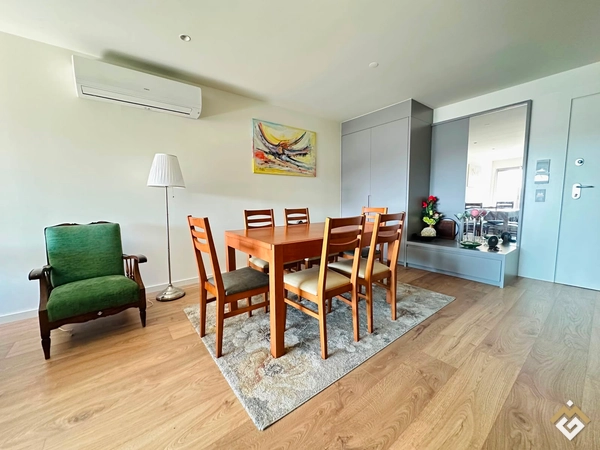 Modern 1-Bedroom Apartment with Balcony and Parking in Braga, Portugal€280,000
 T0 for sale on January 31, 183€283,818
 T0€208,075
 T0€231,650
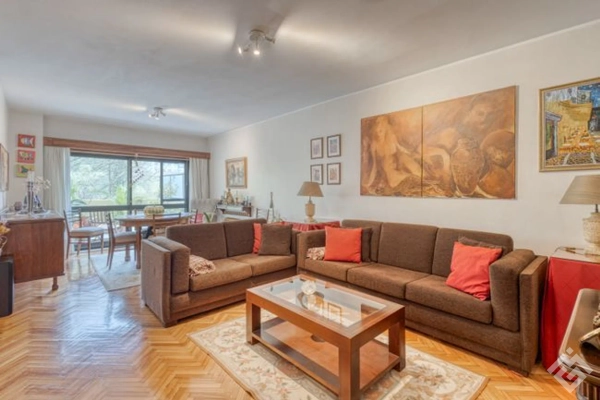 Apartment on Cardeal Dom Américo Street, 211€338,250
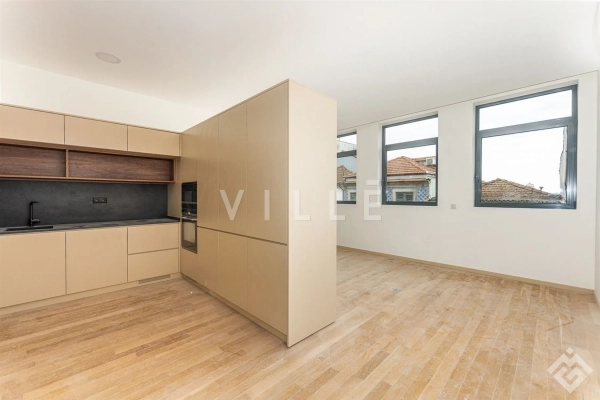 Apartment€271,625