

Cost of Living in Barcelona for Expats 2026: Full Budget Guide
A clear, number-backed breakdown of what it really costs to live, rent or buy in Barcelona as an expat in 2026.
Barcelona blends Mediterranean lifestyle, a strong job market and relatively moderate prices for a major European city, which keeps drawing expats from across the world. But housing costs have risen sharply and tax and residency rules matter for your bottom line. This guide lays out realistic 2026 monthly budgets, the cost of renting versus buying, and the legal and tax angles you must plan for before relocating.
Who Moves to Barcelona and What Restrictions Apply
Barcelona attracts EU citizens, digital nomads, retirees and remote workers, and there are no nationality-based restrictions on foreigners buying property in Spain. EU/EEA nationals can live and work freely; non-EU citizens generally need a visa or residence permit. Spain's Digital Nomad Visa remains a popular route for remote workers earning above roughly 2,600-2,800 euros per month, and retirees often use the non-lucrative visa requiring proof of passive income and private health insurance. To buy or rent formally you will need an NIE (foreigner identification number). Note that Spain ended its property Golden Visa in 2025, so real-estate investment no longer grants residency. Always confirm current visa thresholds and document lists with a licensed immigration lawyer before committing.
Monthly Budget: Rent, Bills, Food and Transport
Housing is the biggest expense. In 2026 a one-bedroom flat in central districts like Eixample or Gracia typically rents for around 1,200-1,700 euros, while outer neighbourhoods may run 900-1,200 euros; shared rooms cost roughly 500-750 euros. Utilities (electricity, water, gas) average 120-180 euros monthly, with internet around 30-45 euros. A single person spends roughly 250-350 euros on groceries, and a mid-range restaurant meal is about 15-25 euros. Public transport is excellent value: a T-usual monthly travel card covering one zone costs around 40-45 euros. A realistic single-person budget, excluding rent, lands near 700-1,000 euros; with central rent, plan for roughly 2,000-2,700 euros per month overall.
Buying Property: Costs, Taxes and the Step-by-Step Process
If you buy rather than rent, budget 10-13 percent on top of the price for taxes and fees. On resale homes the regional transfer tax (ITP) in Catalonia is typically around 10-11 percent; new builds instead carry 10 percent VAT plus about 1.5 percent stamp duty. Add notary, land registry and legal fees of roughly 1-2.5 percent. The process: obtain your NIE, open a Spanish bank account, sign a reservation and deposit (arras) contract, complete due diligence via a lawyer, then sign the public deed before a notary. Annual ownership costs include the IBI property tax and community fees. Buying does not grant residency in 2026. Confirm exact Catalan rates and any reliefs with a local tax advisor.
Income Tax, Mortgages and Financing as a Non-Resident
Tax residents in Spain (over 183 days per year) are taxed on worldwide income at progressive rates that in Catalonia reach roughly 47-50 percent at the top, with lower bands starting near 19-24 percent. The special expat regime (often called the Beckham Law) can let qualifying new arrivals be taxed at a flat rate near 24 percent on Spanish-source income for several years. Non-residents are taxed only on Spanish income. For purchases, banks lend to non-residents at typically 60-70 percent loan-to-value, and to residents up to about 80 percent, with 2026 rates commonly in the 3-4.5 percent range depending on profile. Get tailored figures from a mortgage broker and tax advisor.
Healthcare, Schooling and Common Pitfalls to Avoid
Spain's public healthcare is high quality; residents who contribute through work or the convenio especial scheme gain access, while many expats also hold private insurance costing roughly 50-150 euros monthly. International schools range widely, often 6,000-15,000 euros per year, whereas public and semi-private (concertada) schools are far cheaper or free. Common pitfalls include underestimating purchase taxes, signing rental or arras contracts without legal review, ignoring the tax-residency 183-day trigger, and assuming property buys you residency, which it no longer does. Barcelona also tightly regulates tourist and short-term rentals, so do not count on Airbnb income. Verify every figure and rule with a licensed local lawyer or gestor before signing.
FAQ
How much money do I need monthly to live in Barcelona in 2026?
A single expat renting a modest central flat should budget roughly 2,000-2,700 euros per month covering rent, utilities, food, transport and insurance. Living in outer neighbourhoods or sharing can lower this to 1,400-1,800 euros. Couples sharing one flat typically spend around 2,800-3,500 euros combined, depending heavily on location and lifestyle.
Is Barcelona cheaper than other major European cities?
Barcelona is generally cheaper than Paris, London, Amsterdam or Munich, especially for food, transport and dining out. However, rents have risen sharply and are now among Spain's highest, narrowing the gap. Overall it offers strong value for a leading European city, but housing is the main cost pressure that expats should plan around carefully.
Can foreigners buy property in Barcelona, and does it grant residency?
Yes, foreigners of any nationality can freely buy property in Barcelona; you only need an NIE and a Spanish bank account. However, Spain ended its real-estate Golden Visa in 2025, so buying property no longer grants residency in 2026. To live there long-term, non-EU citizens need a separate visa such as the digital nomad or non-lucrative visa.
What taxes do expats pay when buying and owning a home?
Expect 10-13 percent of the price in purchase costs: transfer tax around 10-11 percent on resale homes, or 10 percent VAT plus stamp duty on new builds, plus notary and legal fees. Annually you pay the IBI property tax and community fees. Non-residents also face non-resident income tax. Confirm exact Catalan rates with a local tax advisor.
How much should I budget for healthcare as an expat?
If you contribute through employment you access Spain's strong public system; otherwise the convenio especial scheme or private insurance applies. Private health insurance typically costs 50-150 euros monthly depending on age and coverage. Many visas, including the non-lucrative and digital nomad visas, require proof of comprehensive private health insurance, so factor this into your relocation budget.
Find your home in Barcelona
Browse verified listings across Spain and connect with vetted local brokers who guide expats through every step of renting or buying.
See all listings in SpainOwn a property? For owners ↗
Property for sale in Spain
Live listings from the GREM catalogue — prices and areas as of today.
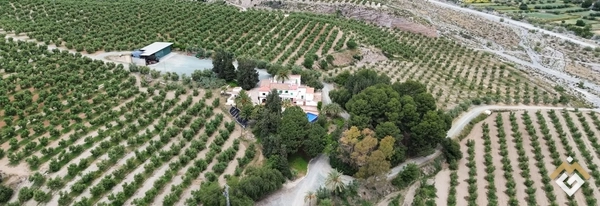 Certified Organic Olive Estate$2,850,000
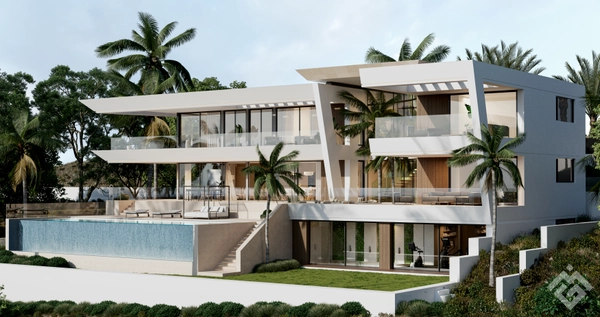 Exquisite Villa in Alcaidesa€4,500,000
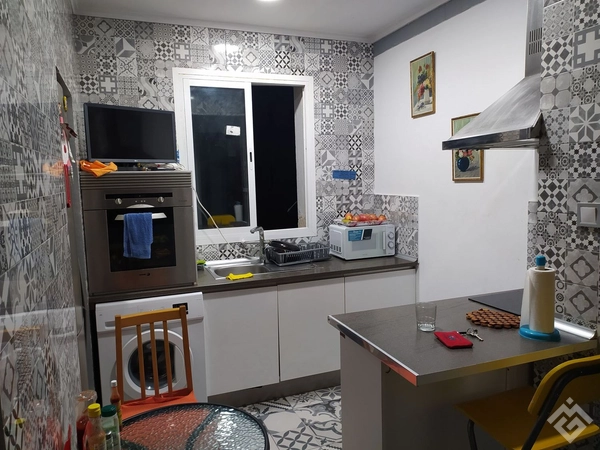 Apartment for sale in Francesc Tarrega, 3€174,250
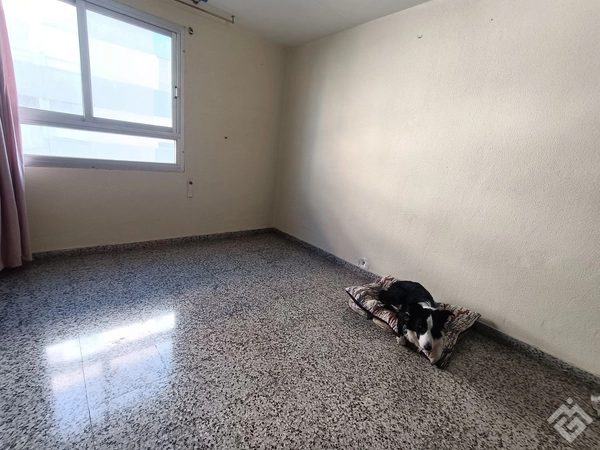 Apartment for sale on Avenida Sants de la Pedra, 3€123,000
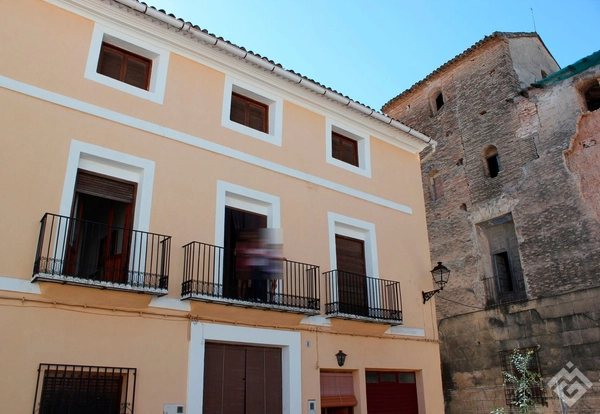 Duplex for sale in Plaza Major, 8€82,000
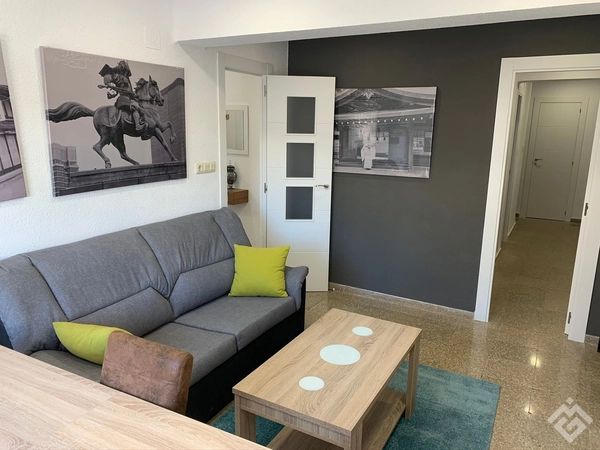 Apartment for sale on San Joaquín Street, 14€112,750